Start with how often you reach for a rusk
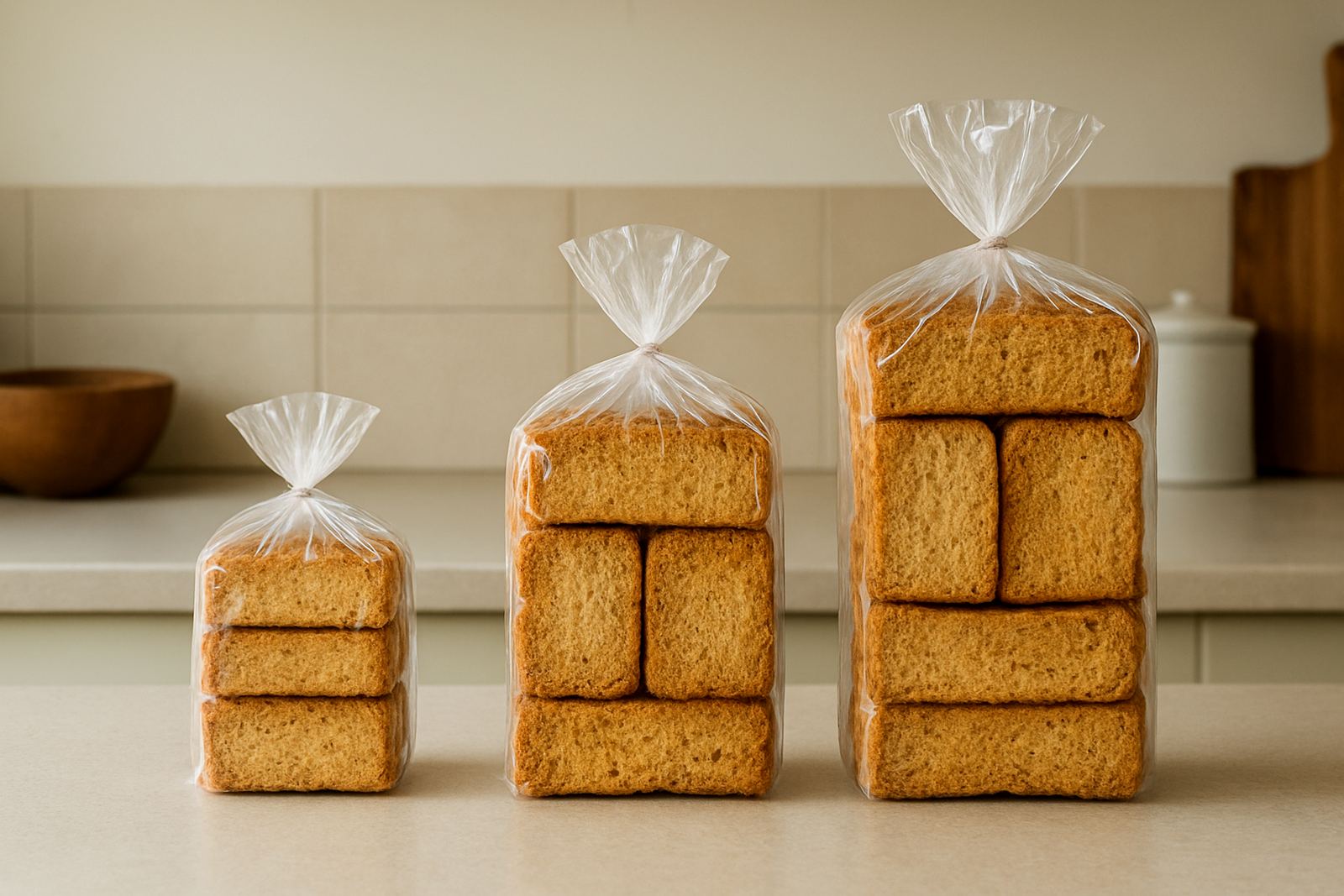
The simplest way to choose a pack size is to match it to your routine. If you only have rusks on weekends or keep them for guests, a smaller pack can be enough. If your family takes rusks with morning coffee every day, or the tin is always being refilled, a larger pack usually works better and saves repeat orders.
In Paarl, Wellington and the wider Western Cape, many homes keep a pack in the pantry and another for visitors. That makes sense if you have school mornings, early starts or a long afternoon tea habit. Think about how many people actually eat from the pack, not just how many live in the house.
- 1 to 2 people: smaller packs are often practical
- 3 to 5 people: medium packs help with regular shared use
- 6 or more people: larger packs are usually better value
- Frequent guests: keep a spare pack in hand
Match the pack to the occasion
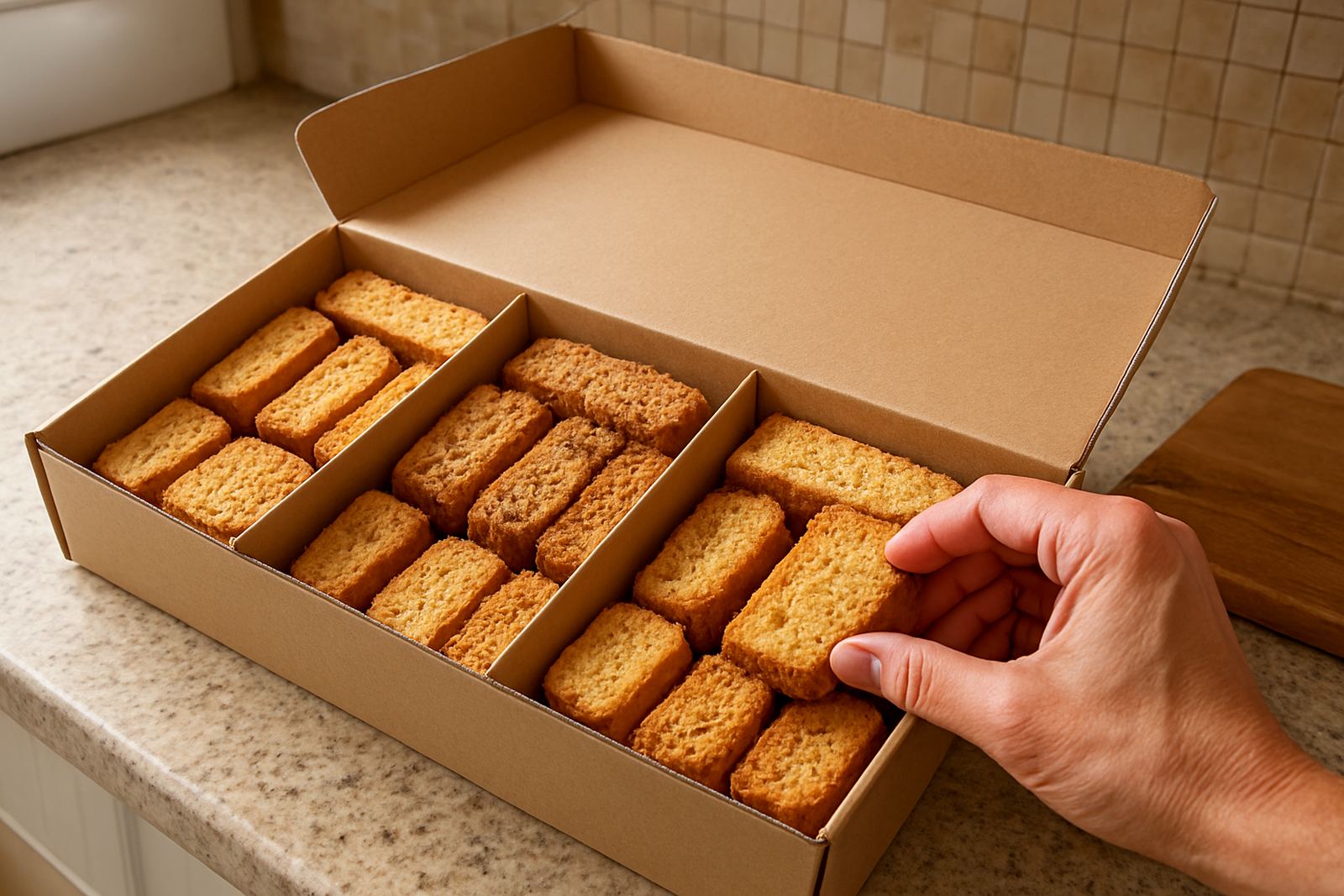
Different occasions call for different pack sizes. A gift pack should feel thoughtful without being too bulky, while a corporate order needs enough volume to cover every recipient. For birthdays, thank-you gifts and care parcels, a compact pack is easy to hand over and does not need much wrapping. For hospitality tables, event catering and office kitchens, it helps to choose packs that can be shared without running out too fast.
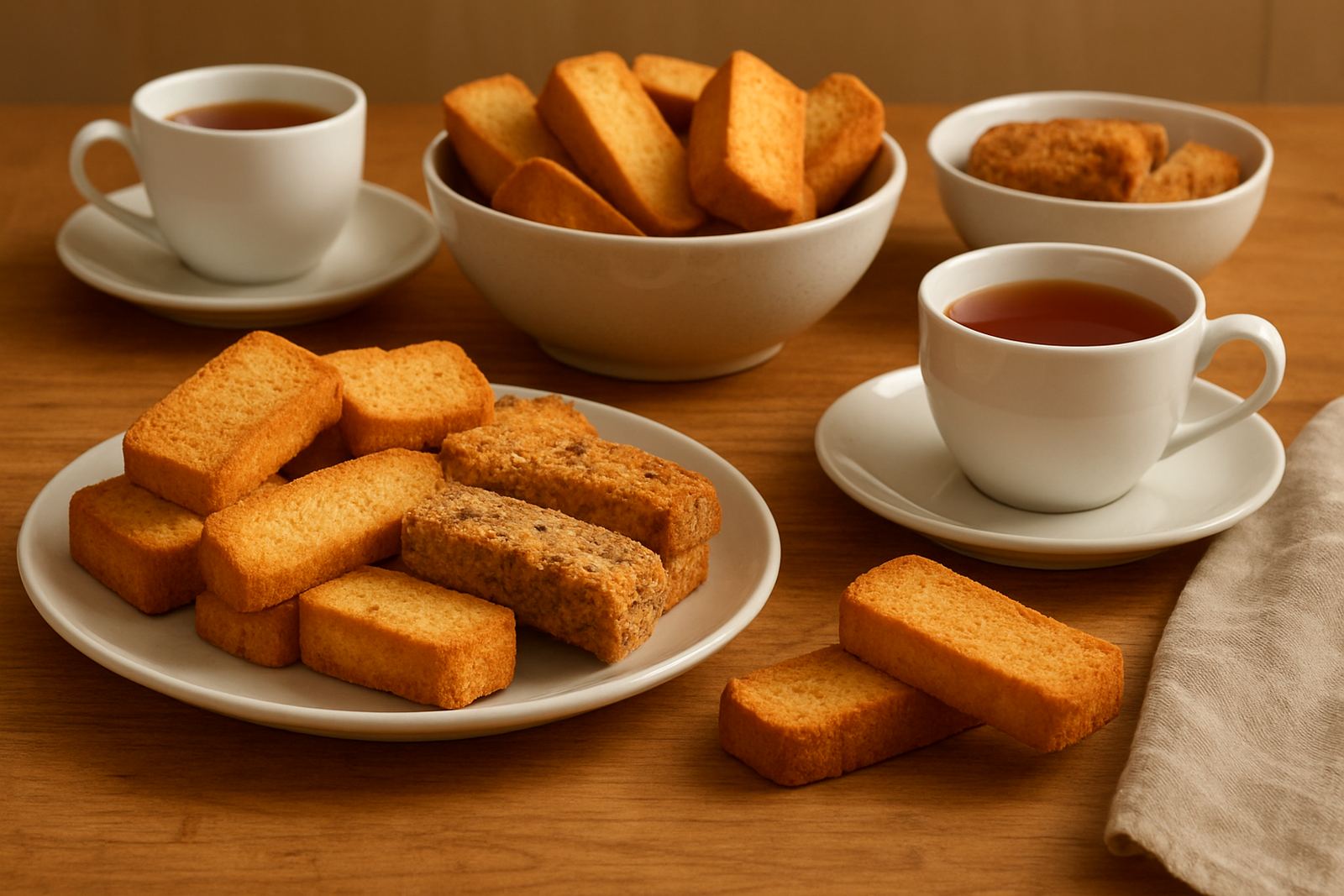
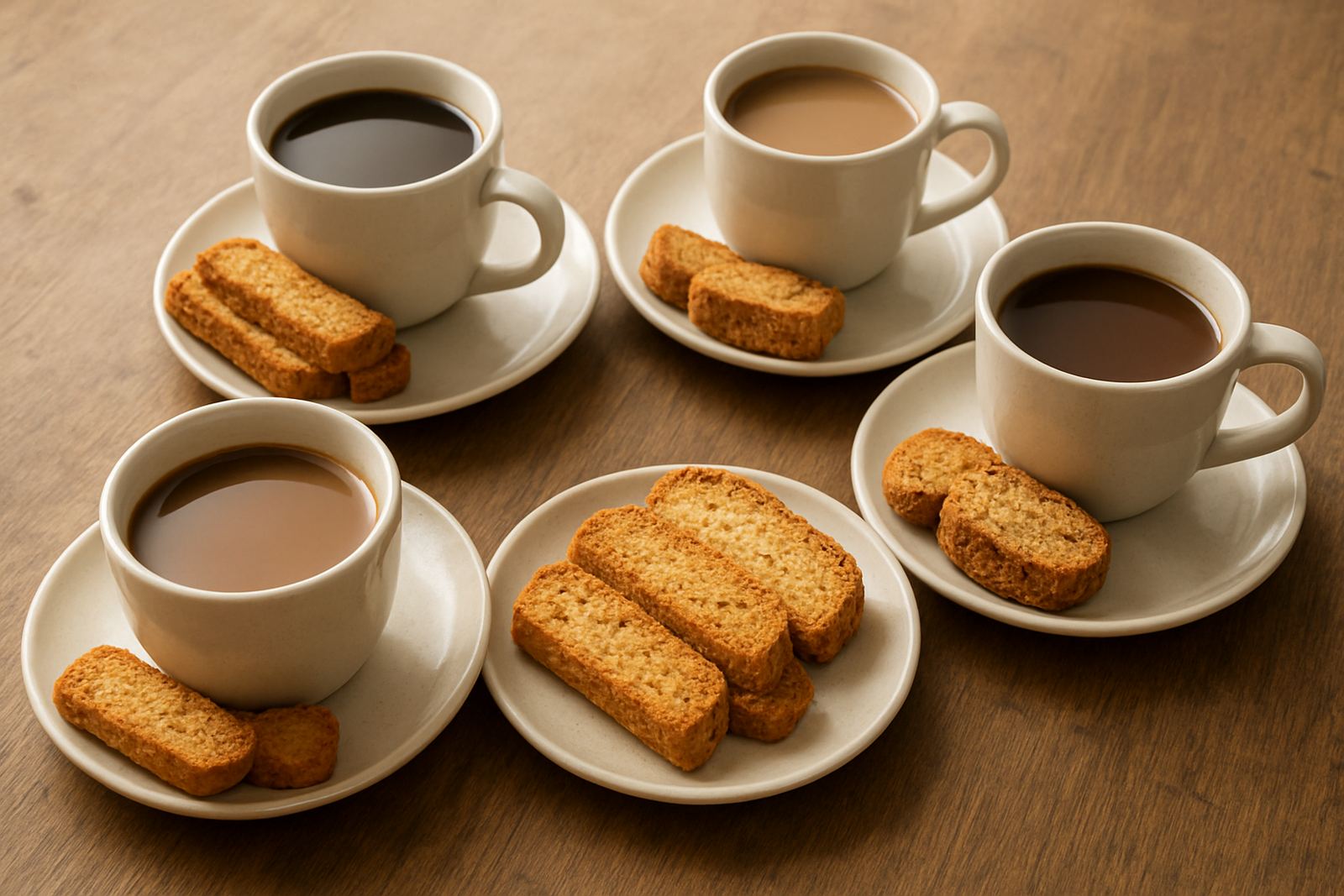
If you are planning a fundraiser in Stellenbosch or a team function in Somerset West, ask how rusks will be served. Individual portions suit meeting rooms and breakaway snacks. Shared tins or larger packs suit conference tea stations, guest houses and family gatherings. A good rule is to allow more than you think, because people often take a second rusk with their second cup.
- Gifting: choose a neat pack that is easy to present
- Events: allow extra for unexpected guests
- Hospitality: larger packs reduce topping up during service
- Corporate use: standardise pack sizes for easier ordering
Use pack size to control freshness and storage
Rusks keep best when they are stored well, so pack size should suit the space you have available. In a busy kitchen, smaller packs can help you open one at a time and keep the rest sealed. That is useful in coastal areas such as Somerset West, where humidity can affect pantry items if they are left open too long. In hot inland conditions, it also helps to avoid one large pack sitting open for weeks.
Check your cupboard space before ordering. If you have a tight pantry, a few smaller packs may be easier to stack than one oversized order. If you run a guest house or office, make sure there is a dry sealed container ready once the pack is opened. A little planning here saves waste and keeps the rusks tasting right.
- Keep unopened packs in a cool, dry place
- Transfer opened rusks into a sealed tin or container
- Do not leave packs near the stove or kettle
- Rotate stock so the oldest pack is used first
Bulk buying makes sense when the pack gets used quickly
If your household, business or organisation finishes rusks fast, bulk buying is usually the practical choice. It cuts down on repeated ordering and can work well for churches, schools, offices and guest accommodation. Bulk supply also suits regular tea services where you want the same product on hand every week and need stock you can rely on.
Before you choose a larger order, check three things: storage space, expected usage and how often you want deliveries. A monthly order may suit a family that bakes and snacks often, while a weekly replenishment may suit a hospitality buyer in Franschhoek or Durbanville. If you are ordering for staff or visitors, list the average number of cups served per day, then add a small buffer for busy weeks.
- Count how many rusks you use in a week
- Add extra for school holidays or peak season
- Keep one emergency pack aside
- Set a reorder point before you run out
Choose between mixed packs and one favourite
Some buyers know exactly what they want, while others prefer variety. If your family has different tastes, a mixed selection can help you avoid arguments over the last pack. If everyone goes straight for the same flavour, then a single larger pack is often better value. This is especially useful for regular buyers who want to keep their pantry simple and their weekly shopping short.
For gifting, mixed packs often feel more generous because they offer choice. For regular home use, one favourite is easier to plan around. If you are ordering for a team or client group, it can help to split the order so there is something for different tastes. That way no one is left out and the tea room stays sorted.
- Mixed packs suit gifts and tasting boxes
- Single-flavour packs suit households with a clear favourite
- Split orders work well for office and hospitality use
Quick checklist before you place an order
Before you buy, take two minutes to check the basics. It sounds simple, but it helps avoid over-ordering or running short at the wrong time. If you are buying for a business, event or home pantry, write down the number of people, the serving style and the storage space available. Then match the pack size to that use, not just to the price.
For example, a small household in Paarl may only need a modest pack every now and then, while a guest house or corporate team may need regular bulk supply. If you are unsure, start with a pack size that covers one normal week plus a little extra. That gives you room to see what gets used and what does not.
- How many people will share the pack?
- Will it be used daily or only now and then?
- Do you have dry storage space?
- Is the order for home, gifting or business use?
- Do you need extra for holidays, events or visitors?