Choose a cool, dry spot in the pantry
Rusks hold their crunch best in a cupboard that stays cool and out of direct sun. Keep them away from the stove, kettle, dishwasher steam and any window that gets afternoon heat, because repeated warmth can soften them faster than you expect. In homes near the coast, where the air carries more moisture, this matters even more.
If your kitchen gets very warm during load-shedding or from cooking, move the container to the coolest dry cupboard in the house. A pantry shelf in a passage or scullery often works better than a spot above the oven. Small changes like this help the rusks stay fresh tasting and neat for longer.
Use the right container from the start
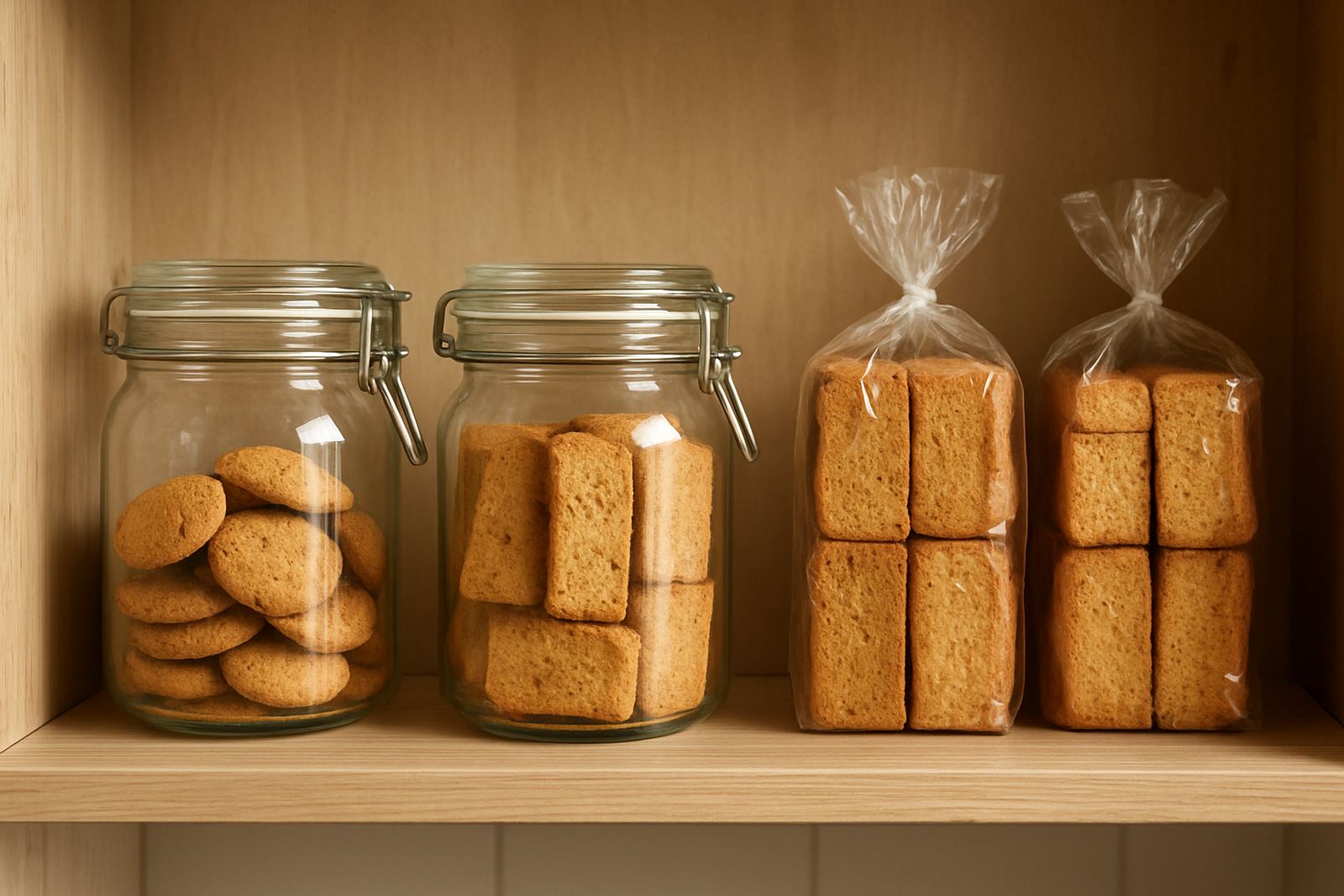
The best storage is a container that seals tightly and keeps out moisture. A tin with a snug lid, a clip-top jar, or a food-safe plastic container with a proper seal all work well. If the lid sits loosely, the rusks will absorb air from the room and lose their crunch.
- Choose a clean, dry container before you open the pack.
- Make sure there is no water left from washing.
- Seal the lid firmly after each use.
- Keep the container away from the sink and kettle.
For large families, it can help to split a pack into two smaller containers. That way the first one gets opened often and the second stays sealed longer.
Open packs carefully and avoid adding damp hands
Rusks should never be handled with wet hands or a spoon that has just been in tea or coffee. Even a little bit of moisture can start to soften the edge of the rusk and leave clumps in the tin. If children are helping themselves, show them to close the pack properly after each snack.
When you open a new packet, transfer the rusks into a container straight away if you are not using them within a few days. Do not leave the open bag on the counter, especially in humid weather or when the washing is drying indoors. That extra moisture is usually what turns a crisp batch flat.
Keep flavours apart in a busy kitchen
Rusks can pick up strong smells from onions, spices, cleaning products and even coffee grounds. If they are stored next to strong food items, the flavour changes before the texture does. A simple rule is to keep sweet baking goods in one cupboard and savoury ingredients in another.
- Store rusks away from curry powders and herbs.
- Keep them clear of soap, dishwashing tabs and spray cleaners.
- Do not leave the tin next to open coffee beans or tea leaves.
- If you bake often, keep rusk storage on a separate shelf.
This is especially useful in smaller kitchens where the same cupboard gets used for many things. A clean shelf can make a big difference.
Plan ahead for bulk packs and gifting
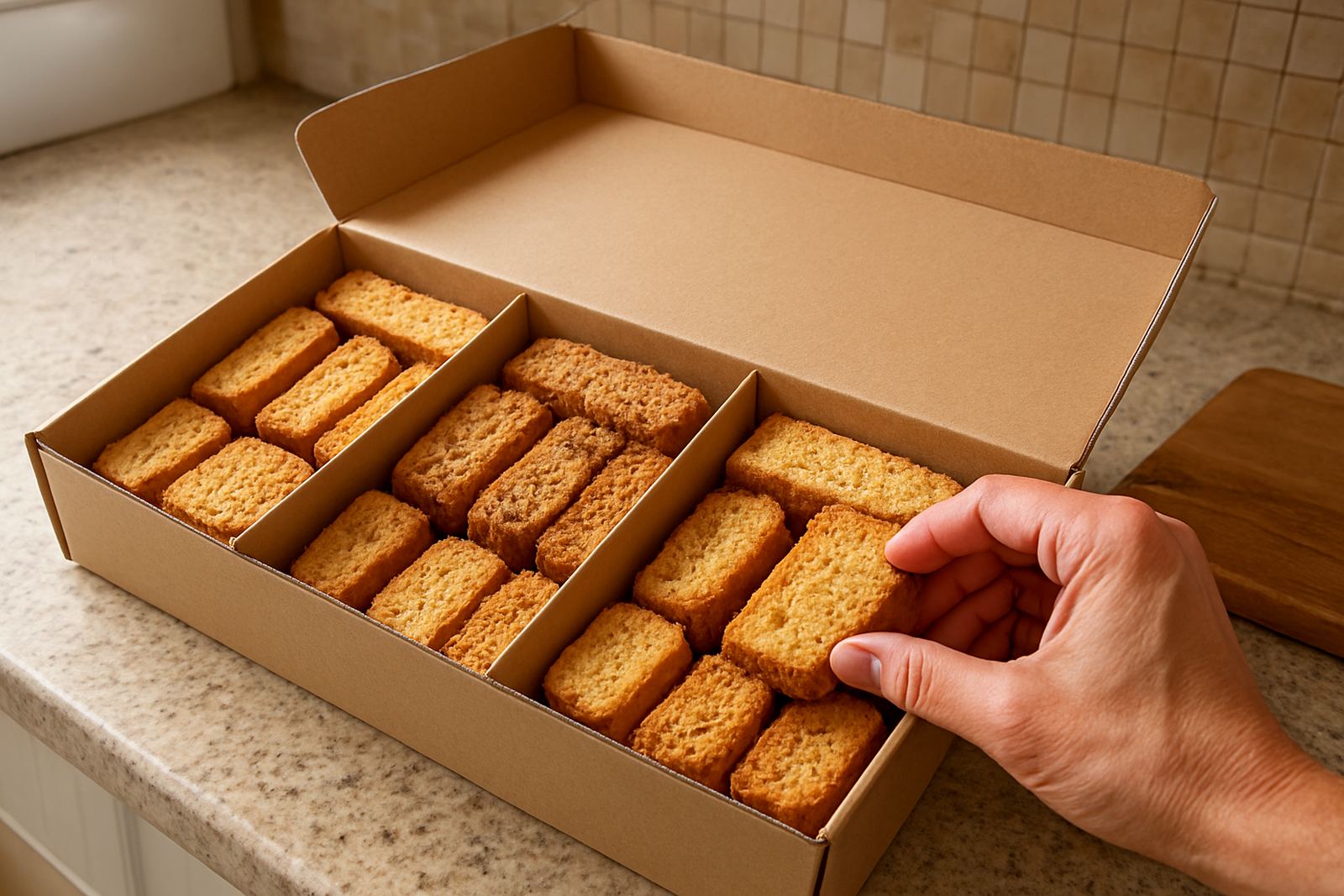
If you have bought a larger supply for the month, for guests, or for a gift basket, divide it into portions as soon as possible. Leave the daily-use pack near the kettle and keep the rest sealed for later. That way you only expose one container to air at a time. It also helps when you are packing rusks for a trip, a braai weekend or a household that drinks lots of tea.
For hampers and office gifting, add a small note telling the recipient to store the rusks in a dry container after opening. A pack that is left open in a car, especially in summer, will pick up heat and moisture quickly. Even a short trip from Paarl to the coast can be enough to make a difference.
Check for freshness before serving
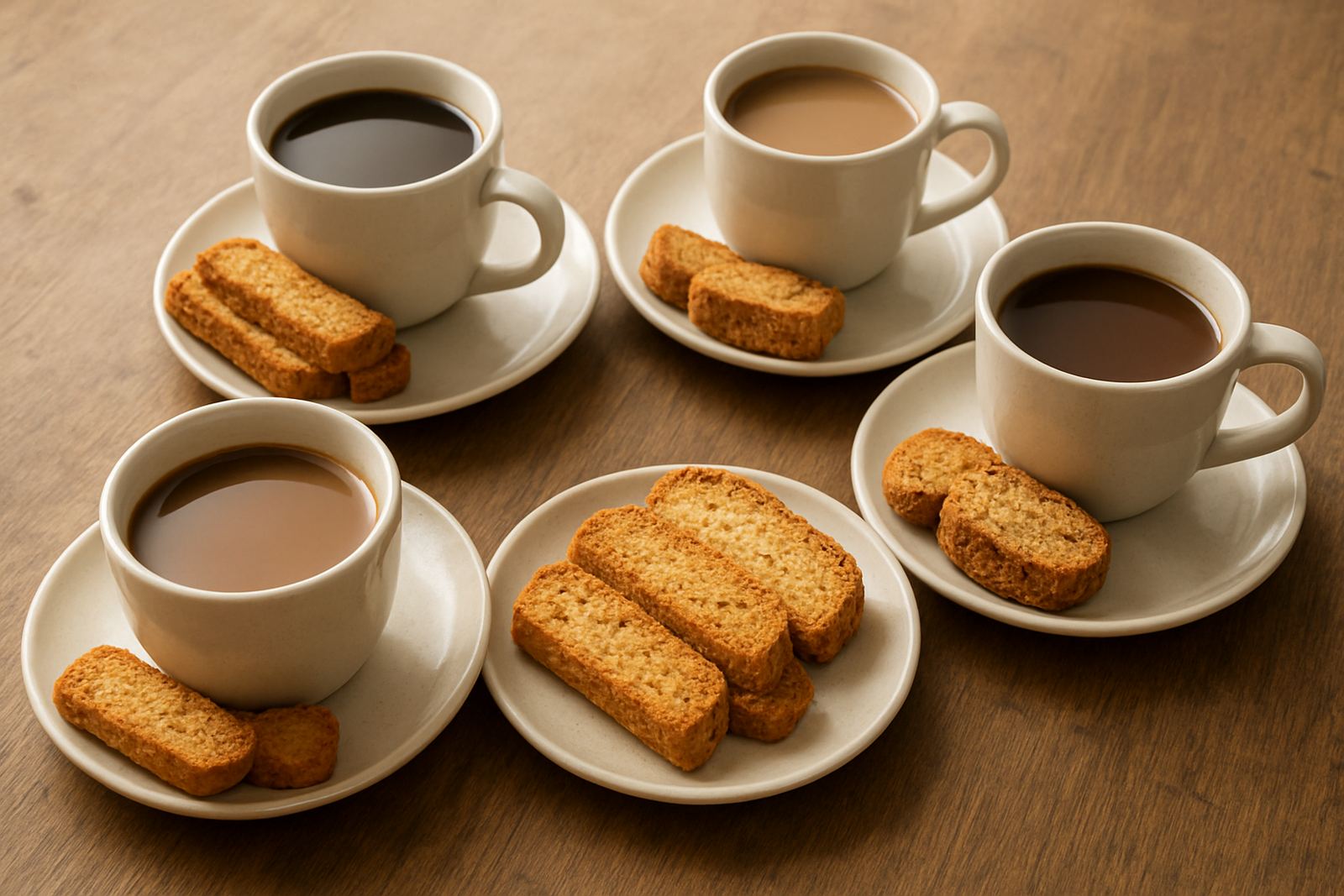
Before you pour the tea, give the rusks a quick look and a light press. They should feel dry and crisp, not soft or sticky. If the pieces have been stored for a while, tip them onto a clean tray and inspect for any crumbs, clumps or signs of damp. A few minutes of checking can save a whole tin.
If you want a simple routine, use this short checklist:
- Container is dry inside.
- Lid seals properly.
- Rusks are stored away from heat and steam.
- No damp hands or wet spoons have gone into the tin.
- Old stock is used before new stock.
That small habit keeps breakfast tidy and helps every batch stay better for longer.