What makes a tea-time snack worth serving
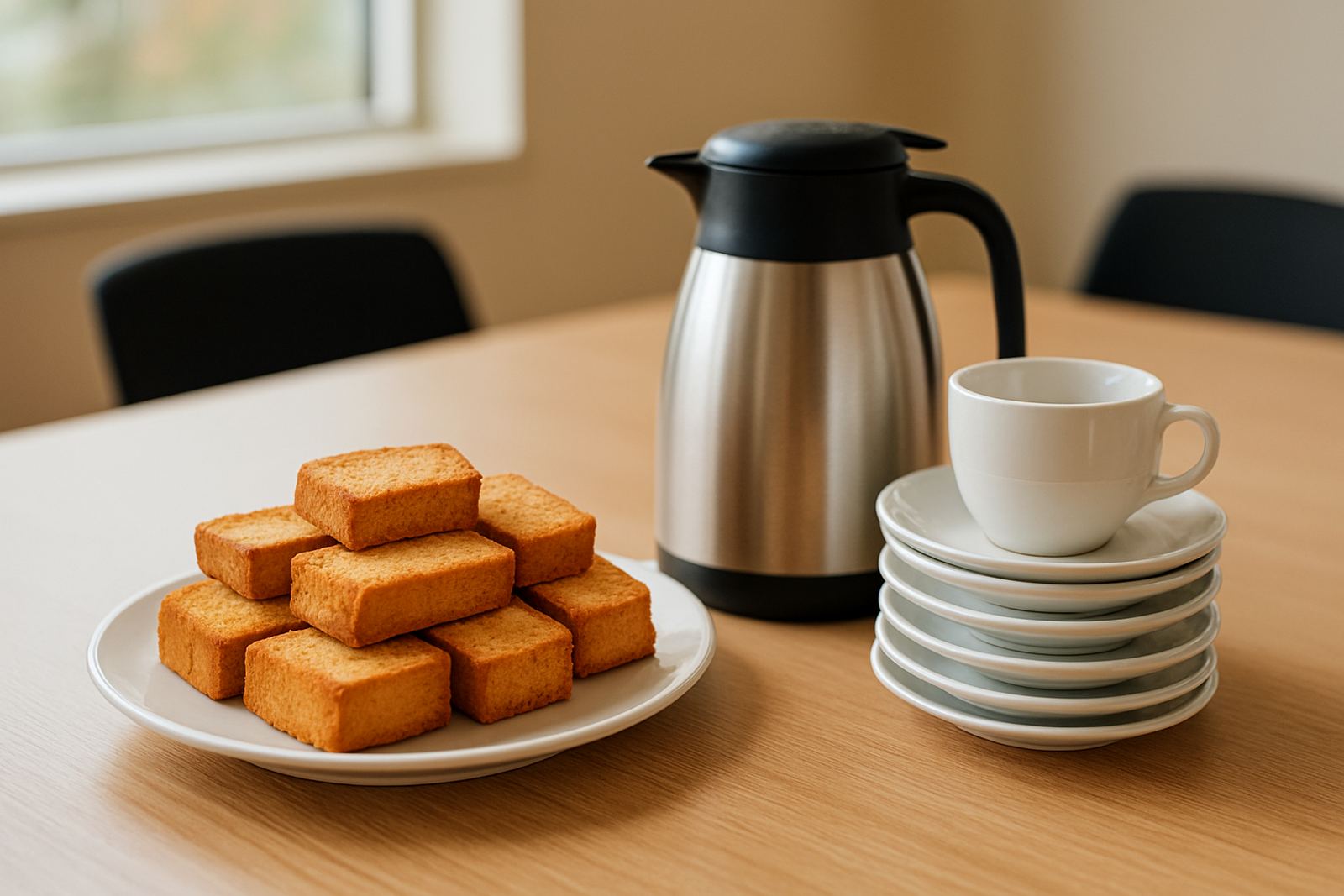
Tea-time snacks work best when they do not ask much from the person serving them. If there are six people around a kitchen table in Paarl or thirty staff members on a busy afternoon in Somerset West, the snack should be easy to portion, quick to set out, and pleasant to eat without a lot of fuss. That is where rusks compare well to many softer baked treats. They do not need plates in the same way, they hold their shape, and they are less likely to make a mess in a meeting room or staff kitchen.
In practical terms, a good snack needs a few things: it should keep well in a tin or sealed container, pair with hot drinks, and work for mixed ages and appetites. Many sweet snacks are lovely for the first bite but become heavy by the second. Rusks are slower and steadier. You can dip them lightly, bite them as they are, or break them over a cup of tea if that is how your household likes to do it.
For offices, farms, guest houses and schools, the best tea-time choice is often the one that can be bought ahead, stored safely, and brought out when needed. That makes planning easier during load-shedding too, because you do not need a chilled cake or a fresh cream filling to keep the break going.
Why rusks suit shared breaks so well
Rusks bring a useful balance of comfort and order. A tray of biscuits can disappear fast and a plate of cake can leave crumbs, icing and uneven slices. Rusks give each person a portion that feels complete on its own. That matters in places where tea breaks are shared by people doing very different jobs, from warehouse staff to front office teams.
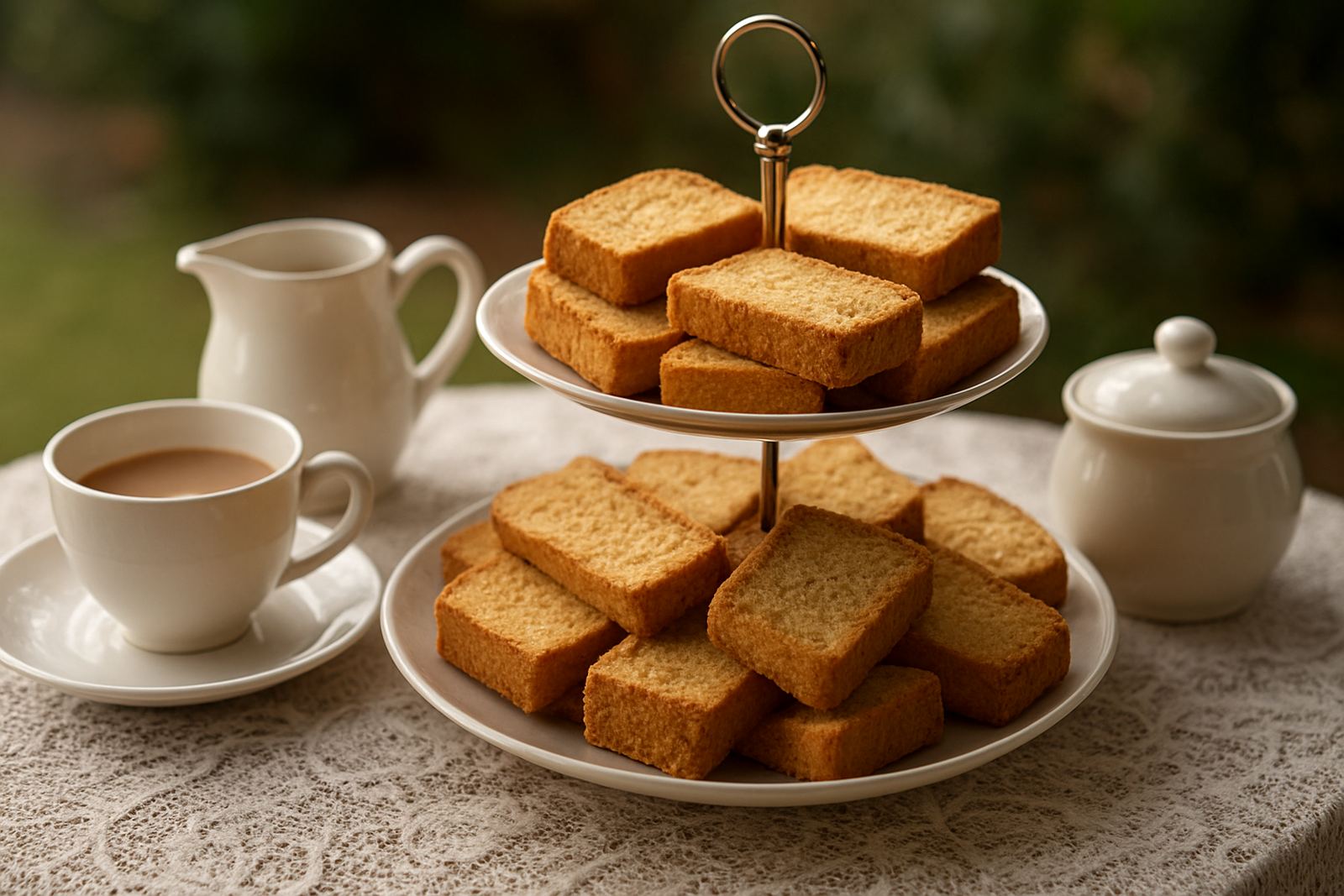
The flavour range also helps. Buttermilk rusks are familiar and plain enough for most tastes, while muesli rusks give a bit more texture and a heartier bite. Both are good when people want something that tastes home-style rather than overly sweet. They sit well beside black tea, rooibos, instant coffee, filter coffee, and even a mug of hot chocolate for younger visitors.
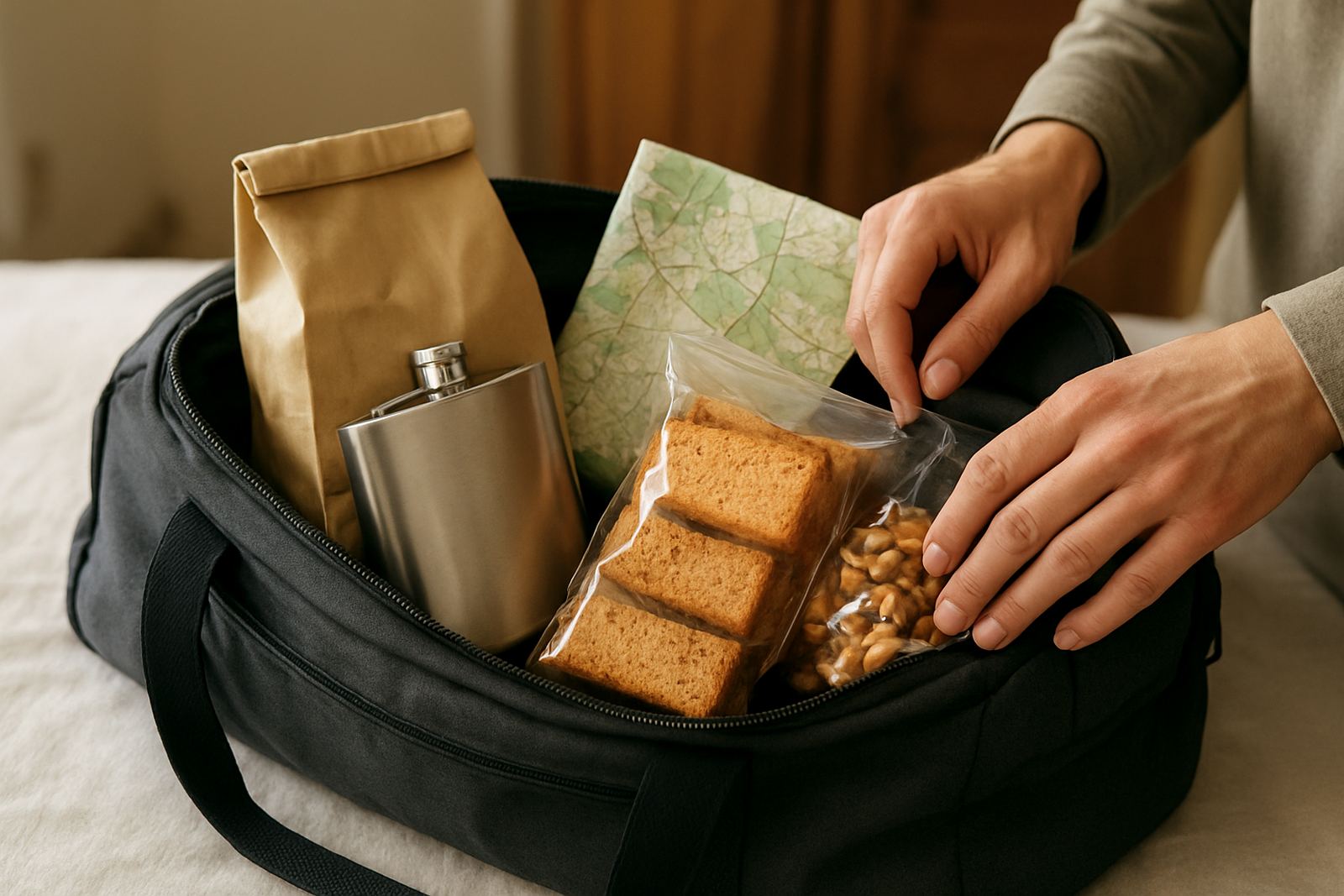
- Easy to pack into a lunch bag or staff pantry tin
- Less fragile than many biscuits and slices
- Good for group service because portions are simple
- Suitable for early mornings, mid-morning breaks and afternoon tea
- Can be offered with or without spread, depending on the setting
For hospitality businesses, that kind of consistency is valuable. Guests in a Paarl guesthouse or a conference venue in Stellenbosch expect something neat and familiar, not something that needs explanation. Rusks quietly do that job.
Comparing rusks with cakes, biscuits and savoury bites
When people think about tea-time snacks, they often jump straight to cake, scones or biscuits. Those all have a place, but each comes with a small practical catch. Cake needs cutting and can dry out or spoil faster in warm weather. Scones need butter, jam and plates, which makes them better for a sit-down table than for a quick office break. Biscuits are easy enough, yet they can crumble or feel too light for a proper pause.
Rusks sit in the middle. They are more substantial than a biscuit and less formal than a cake. That middle ground is useful in South African homes and workplaces where tea breaks are often brief but still important. You want something that says, “sit down for a minute,” without creating extra work for whoever is serving.
There is also the matter of storage. In the Western Cape, warm afternoons and coastal humidity can affect some snacks quickly, especially once a packet has been opened. Rusks are far less demanding. Keep them sealed, dry and off the floor, and they stay ready for the next round of tea without any trouble.
- Cakes are best for birthdays and longer tea tables
- Biscuits are handy but may not feel filling enough
- Savoury bites suit meetings, but not everyone wants salt at tea time
- Rusks work across both sweet and plain tea breaks
Choosing snacks for offices, homes and guest rooms
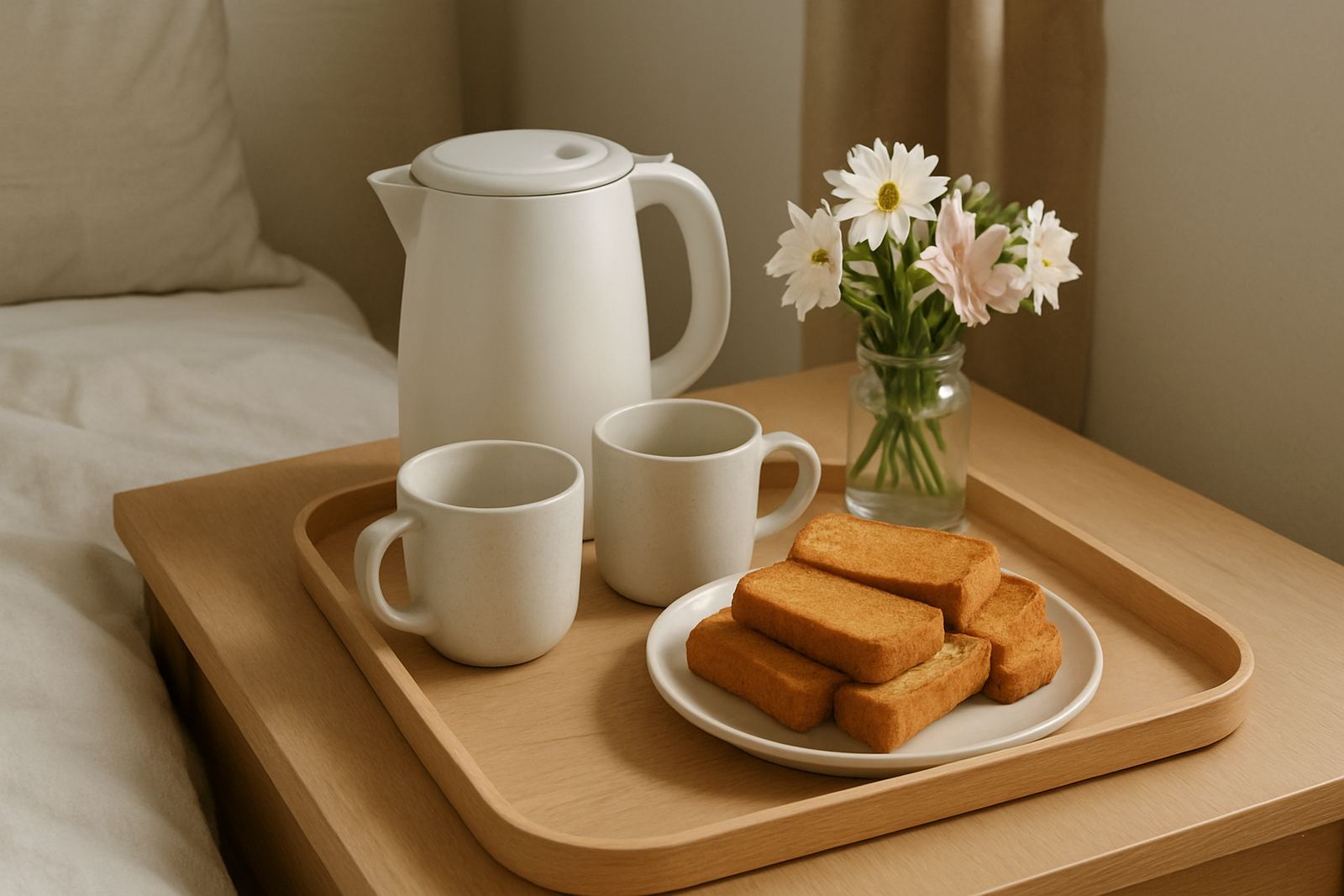
Different settings need different snack habits. In a family home, the right tea-time snack may be the one that can be put out quickly when visitors arrive unannounced. In an office, it needs to work for a kettle, a jar of tea, and a small shelf in the kitchen. In guest rooms or hospitality settings, it should be tidy enough to leave with a kettle tray and a note about local attractions.
Rusks are useful because they travel well from one setting to another. A pack bought for the home can also suit a farm office or a waiting area. For businesses that host clients, that matters. You do not want to offer something that melts, leaks or needs knives and serviettes. A rusk is direct and dependable, and that makes stock control easier too.
Local example: a small accounting practice in Durbanville might keep a tin of buttermilk rusks in the kitchen for clients and staff. The team can set them out in seconds between meetings, and because the portions are fixed, the snack table stays neat. There is no need to cut up cake or worry about leftovers going stale before lunch.
How to serve tea-time snacks without making extra work
The easiest tea-time service is the one that keeps the kitchen calm. Start with a snack that stores well, then think about the rest of the setup. A tray, a kettle, a few mugs and a sealed container are often enough. If you are serving a larger group, place the snacks in one central spot rather than passing them around, it saves time and keeps the table cleaner.
Rusks are especially useful when you are planning for a mixed group. Some people want only tea, some want coffee, and some want a little something to go with both. A rusk can suit all three. That flexibility helps in workplaces, churches, fundraiser tables and school events where you do not always know who will show up or how much they will want.
- Keep rusks in a dry tin or sealed tub
- Set out enough for the group, but keep extra back for later
- Offer tea, coffee and water so no one is left out
- Use napkins for larger groups, especially indoors
- Choose snacks that can sit safely through a meeting or call-out
For anyone planning tea breaks around municipal water limits, power interruptions or a tight working schedule, simple snacks are easier to manage. There is comfort in knowing the break will not need extra handling.
A practical South African choice for everyday tea
Tea-time does not need to be fancy to feel generous. The best snacks are often the ones people recognise and trust. Rusks fit that need because they bring a homely taste, they are simple to serve, and they work in everyday life rather than only on special occasions. That is why they do so well across homes, guest spaces and shared workplace kitchens.
In places like Paarl, Wellington and Franschhoek, where visitors, staff and family often come and go in the same afternoon, a snack that can be opened, shared and finished without stress is worth keeping on hand. It is also useful for nationwide deliveries and wholesale supply, because the same dependable product suits a small home pantry and a larger hospitality order.
If you are deciding what to stock for tea breaks, ask a plain question: will this snack still be easy when the room is full, the kettle is boiling, and time is short? Rusks usually pass that test. They are not trying to be more than they are, and that is exactly why people reach for them again.