Why rusks suit a long day at the stall
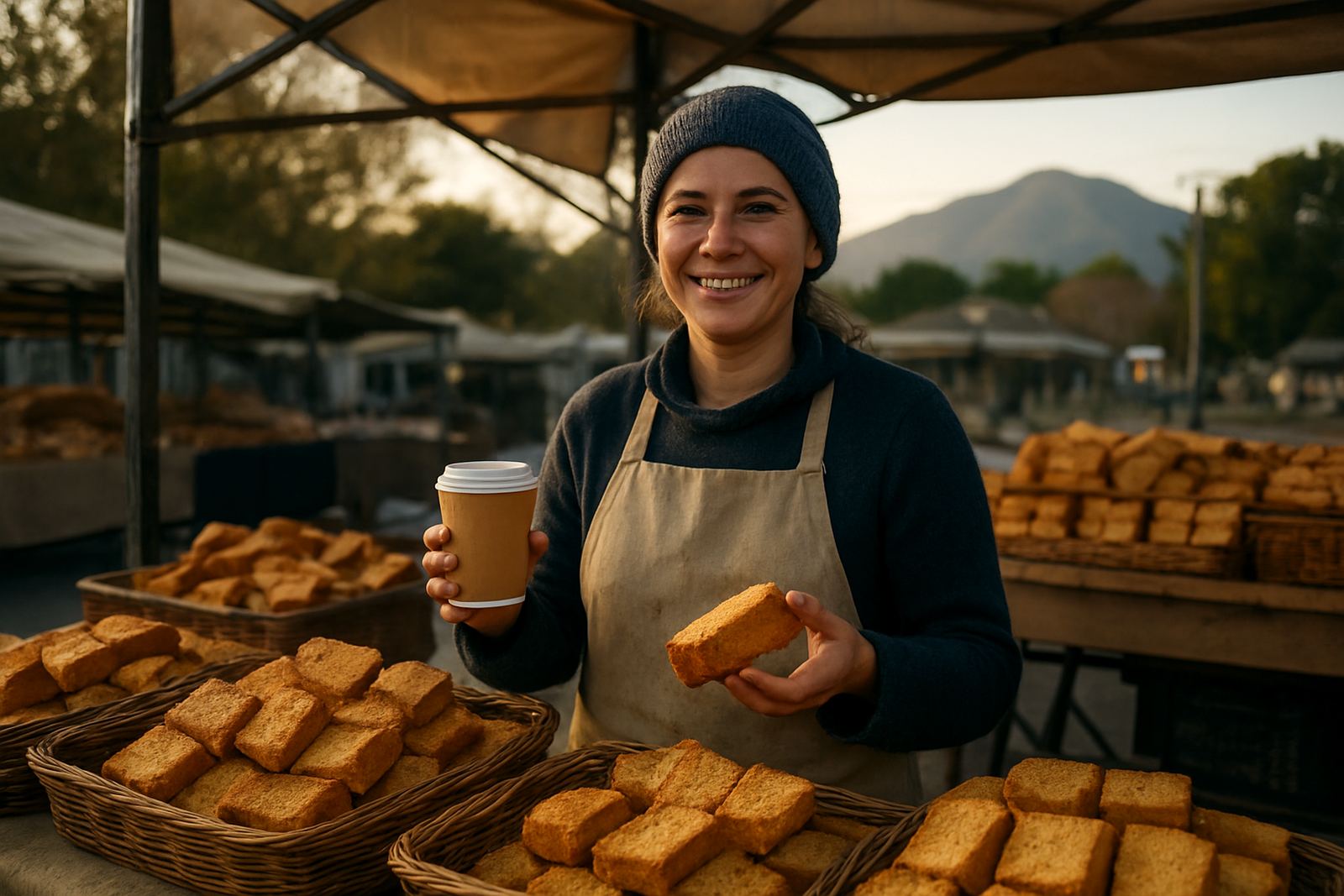
Market day food has to be simple. It should travel well, not melt in the sun, and not leave sticky fingers on product labels, cash or tablet screens. That is where a proper rusk earns its keep. It gives a solid bite with tea or coffee, and it does not crumble into a problem if you are standing behind a table in Paarl, Franschhoek or Stellenbosch from early morning till mid afternoon.
For traders and helpers, rusks are a practical choice because they are easy to portion and easy to store in a dry container. You can keep a tin in the stall, a box in the bakkie and a few packs at home for the next event. On windy days, or when the municipal taps are a bit busy and handwashing points are far from your pitch, less messy snacking helps. It sounds small but it makes the day run better.
What to pack for a busy selling day
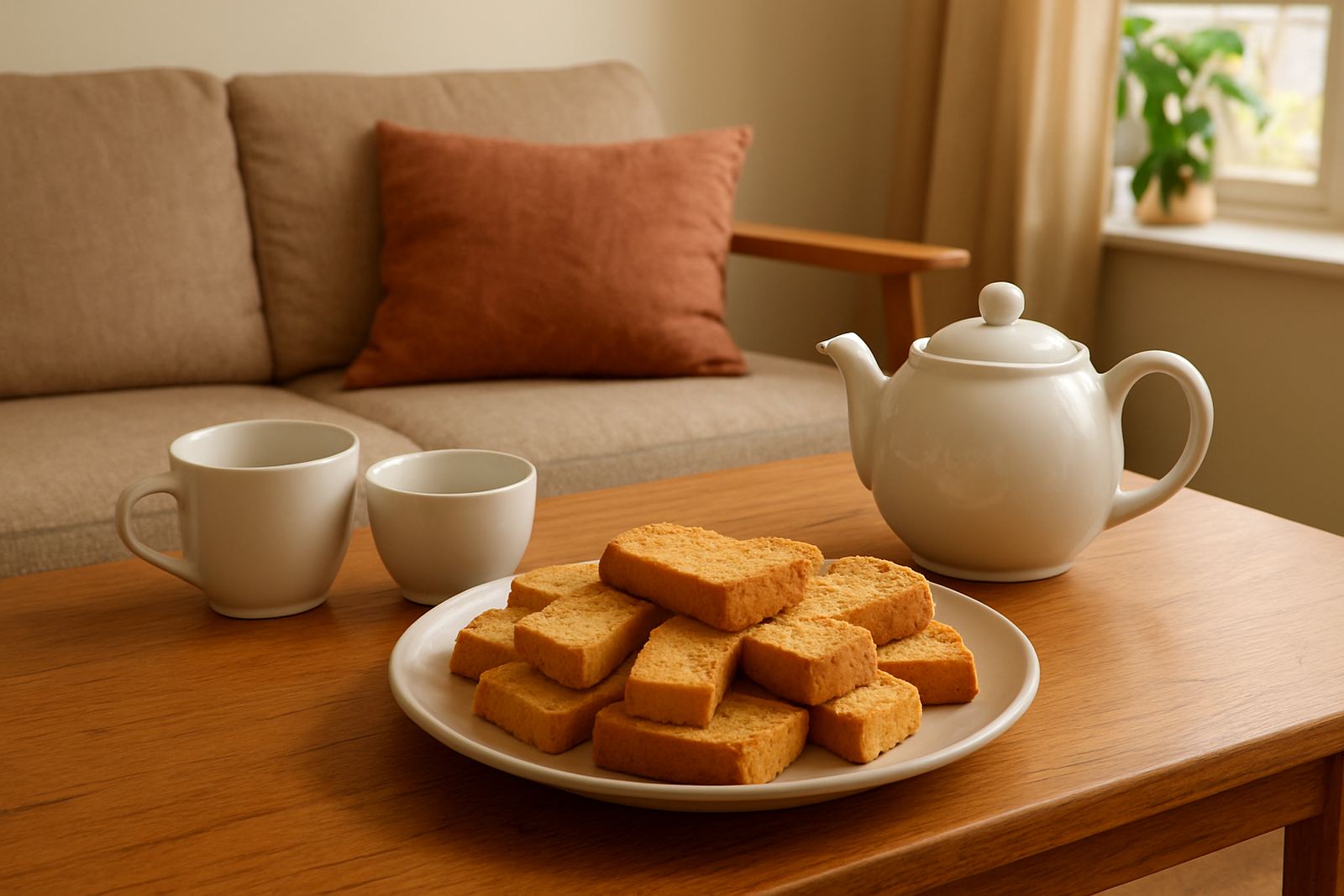
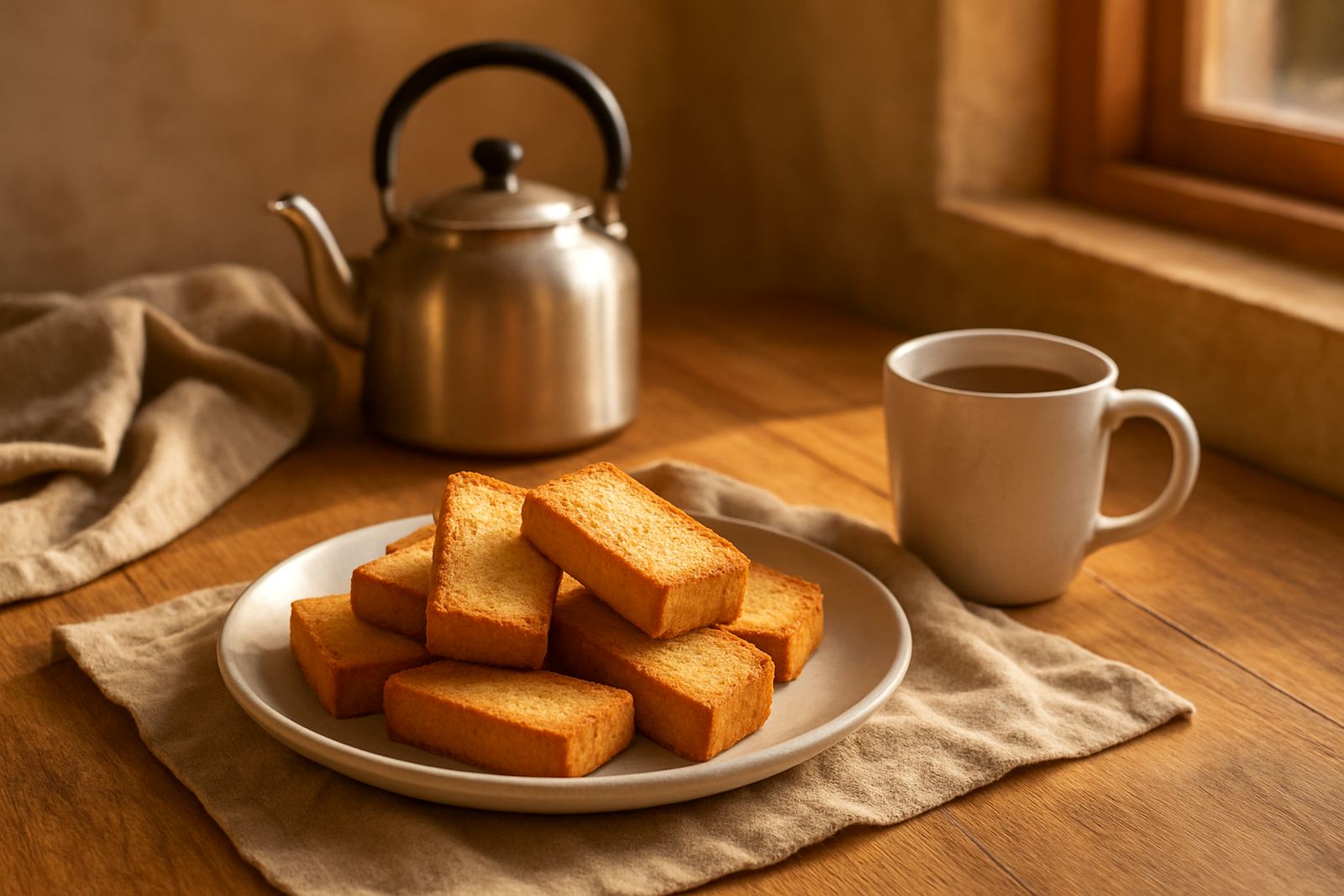
If you are heading to a Saturday market, pack snacks the same way you would pack change or receipt books. Keep them sealed, count them properly, and make sure everyone on the team knows where they are. Buttermilk rusks work well for a classic tea break, while muesli rusks suit people who want something a little more filling between customers. A mixed pack is often the best answer when the team has different tastes.
- 1 sealed tin or clip-top container for the stall counter
- 1 spare pack in the vehicle for the drive home
- Small napkins or paper serviettes
- A flask of tea or coffee if the venue allows it
- A few extra portions for helpers and stall neighbours
If you are selling produce, flowers, crafts or baked goods, keep the snack area separate from stock. That helps with hygiene and keeps crumbs off display tables. It also avoids arguments when the last rusk disappears before lunch, which happens more than people admit.
Keeping helpers fed without slowing the line
At a busy market, nobody has time for a long sit-down meal. Helpers need something they can eat in a minute or two, then get back to packing parcels, carrying boxes or serving customers. Rusks are useful because they can be eaten standing up, and they do not need refrigeration. That matters on hot days in the Western Cape when the sun is already strong by 10 o'clock and the queue is still growing.
A sensible plan is to set a tea break before the rush, then another one after peak trading. If the team is working under shade netting or in a hall with limited power during load-shedding, keep hot drinks in insulated flasks and snacks in airtight containers. The goal is not a fancy spread, just enough fuel to keep people steady and courteous. A helper with decent energy is usually better with customers too.
Good use cases for markets, fairs and pop-up sales
Rusks fit more than one selling setup. They work at weekend craft markets, farm stalls, charity fairs, church bazaars and small pop-up tables outside a hall or school. They also suit suppliers who are spending the day on the road between Paarl, Wellington and Somerset West. If you are visiting stockists, dropping off hampers or setting up a sample table, a pack of rusks in the vehicle saves you from relying on whatever service station snack is left at the till.
They are also handy for trade days where you need something to offer guests without turning the stall into a catering job. A small tasting cup of tea with a rusk can make people linger a little longer and talk through a wholesale order or fundraiser pack. For many local buyers, that home-style touch matters more than a flashy setup.
- Farm stalls with early morning foot traffic
- School and church fundraisers
- Wholesale meetings and product tastings
- Corporate gifting tables and event handovers
- Long delivery runs between towns and suburbs
How to store rusks on site and in transit
Storage is easy if you keep things dry and sealed. Rusks do best in a cool cupboard, a sealed container or an unopened pack inside a box. Coastal humidity can soften them over time, so if you are trading near Somerset West or along the Atlantic side, it helps to keep stock away from open windows and hot vehicle cabins. In the Boland, dust is the bigger issue on some roads, so a closed tin or lidded tub keeps the product clean.
If you are carrying stock for a full weekend, separate the sale packs from the team snacks. That avoids confusion and keeps inventory tidy. Label each box clearly, especially if you have both buttermilk and muesli in the back of the bakkie. A simple note on the lid saves time when everyone is busy, and it stops the wrong pack being opened too early.
A local example from Paarl to the surrounding towns
Picture a Saturday market in Paarl with a table selling handmade goods, preserves and local gifts. The team arrives before sunrise, sets out stock, checks the float and makes a quick tea. By 9 o'clock the queue is steady. One helper is wrapping parcels, another is answering questions, and the vendor is taking orders for later collection. In that kind of morning, a simple rusk break keeps things moving without a long pause.
Later in the day, the same stall might need a few extra packs for the drive to Wellington or a drop-off in Stellenbosch. That is where a dependable snack matters. No fuss, no mess, just something that travels well and can be shared with a colleague or kept for a quiet moment after the rush. It is the kind of practical detail that makes market days feel manageable, even when the sun is high and the till is busy.
For customers who like home-style flavour and straightforward ordering, Rusk supplies buttermilk and muesli rusks from Paarl for nationwide delivery. The team handles online orders, wholesale supply, corporate gifting, custom hampers, event orders, subscription packs, hospitality supply, fundraiser orders and sample boxes, so market traders can plan ahead with enough stock on hand. If you need a bulk order for a fair or recurring stall, it is worth lining it up before the next weekend rush.