The crunch should be firm, not brittle
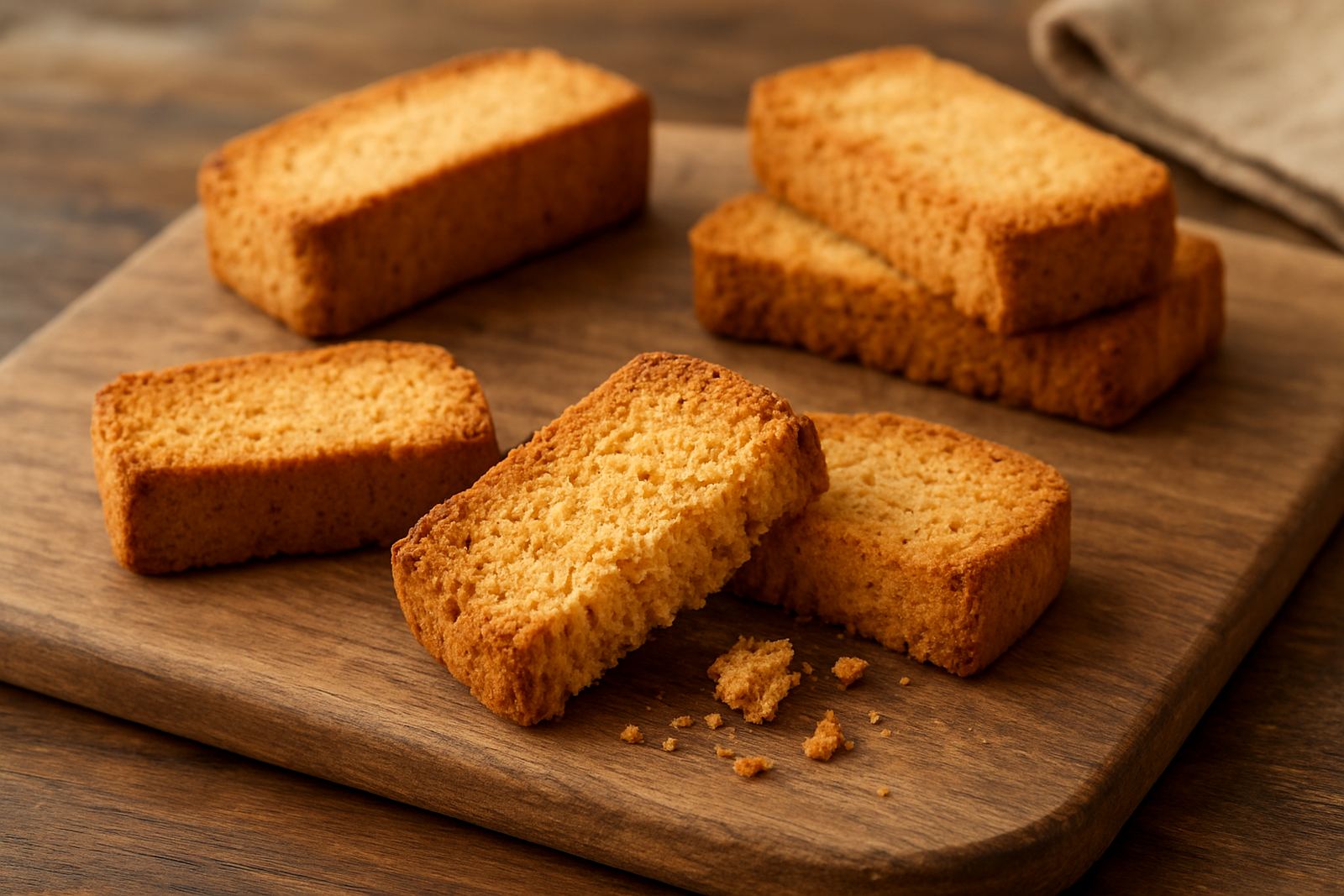
The first sign of a good rusk is the way it breaks. It should have a proper snap when you bite into it, but not shatter into dry bits before it reaches your mouth. A rusk that is too hard can feel like a chore, while one that is too soft goes soggy too quickly and loses its point. The sweet spot is a dry, even bake that gives you texture without turning leathery.
In practical terms, the crumb needs to be tight enough to stand up to a mug of tea or coffee. That matters at home, in offices, and anywhere people keep a tin on the counter for a quick snack. In Paarl, where mornings can be cool and the afternoons hot, a properly baked rusk also stores well through changing temperatures if it is packed and kept dry.
- It should crack cleanly, not crumble into dust.
- It should stay crisp after a short dunk.
- It should not taste damp or underbaked in the centre.
Flavour must taste like real ingredients
Good rusks do not need a long list of flavours to impress. The best ones start with honest ingredients and a recipe that lets them speak for themselves. Buttermilk rusks should taste rounded and slightly tangy, with enough sweetness to soften the edge. Muesli rusks should bring a deeper grain taste, a bit of nuttiness and a wholesome finish that feels satisfying, not heavy.
What you want is balance. If the sugar is too dominant, the rusk becomes more biscuit than breakfast. If the flour or spice is too strong, the flavour feels flat and one-note. A well-made rusk has a clear taste that lingers a little, so even after your tea is finished there is still something pleasant left behind. That is often the difference between a packet people finish and one that sits in the cupboard.
For many households, this is also about memory. A familiar flavour can remind people of visits to grandparents, long road trips, or Sunday mornings before church. That feeling matters, but the taste still has to stand on its own.
- Buttermilk should bring softness and a gentle tang.
- Muesli should taste grainy, nutty and filling.
- Sweetness should support the recipe, not cover it.
The texture has to work with tea or coffee
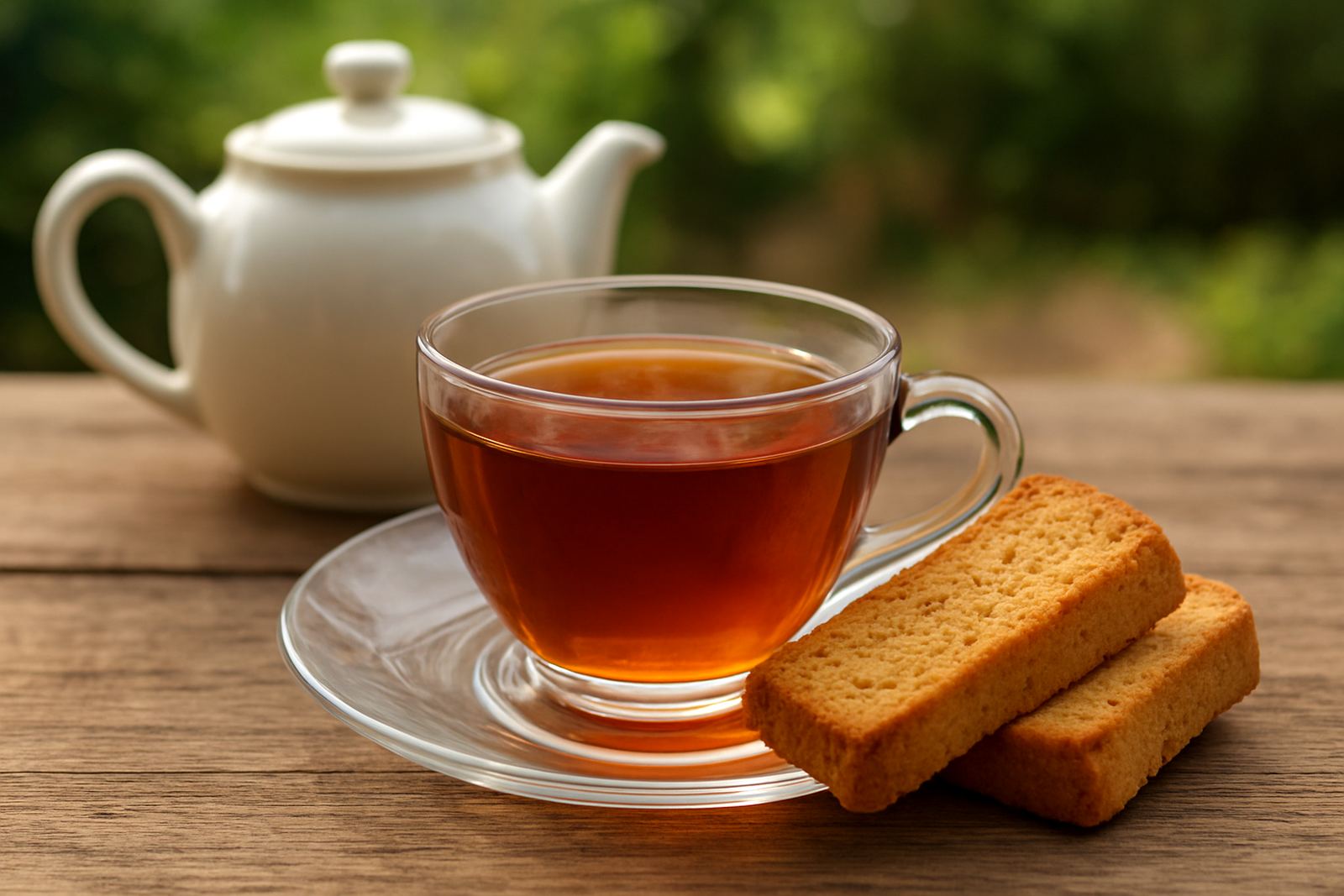
A rusk is not just a dry snack. It is meant to be eaten with a hot drink, so the texture must behave well when dipped. The ideal rusk softens a little at the edges while keeping enough body to hold together. If it collapses too quickly, the experience turns messy. If it stays hard for too long, you never get that comforting combination of crunch and soak.
This is why thickness and density matter. A thin rusk can look neat but fail in the cup. A very thick one may be too hard to enjoy unless you wait forever. The best bakers know how to keep the balance right. It is a skill, and not something you get by accident. You can often tell when someone has taken the time to test the bake and adjust the cut size by a few millimetres.
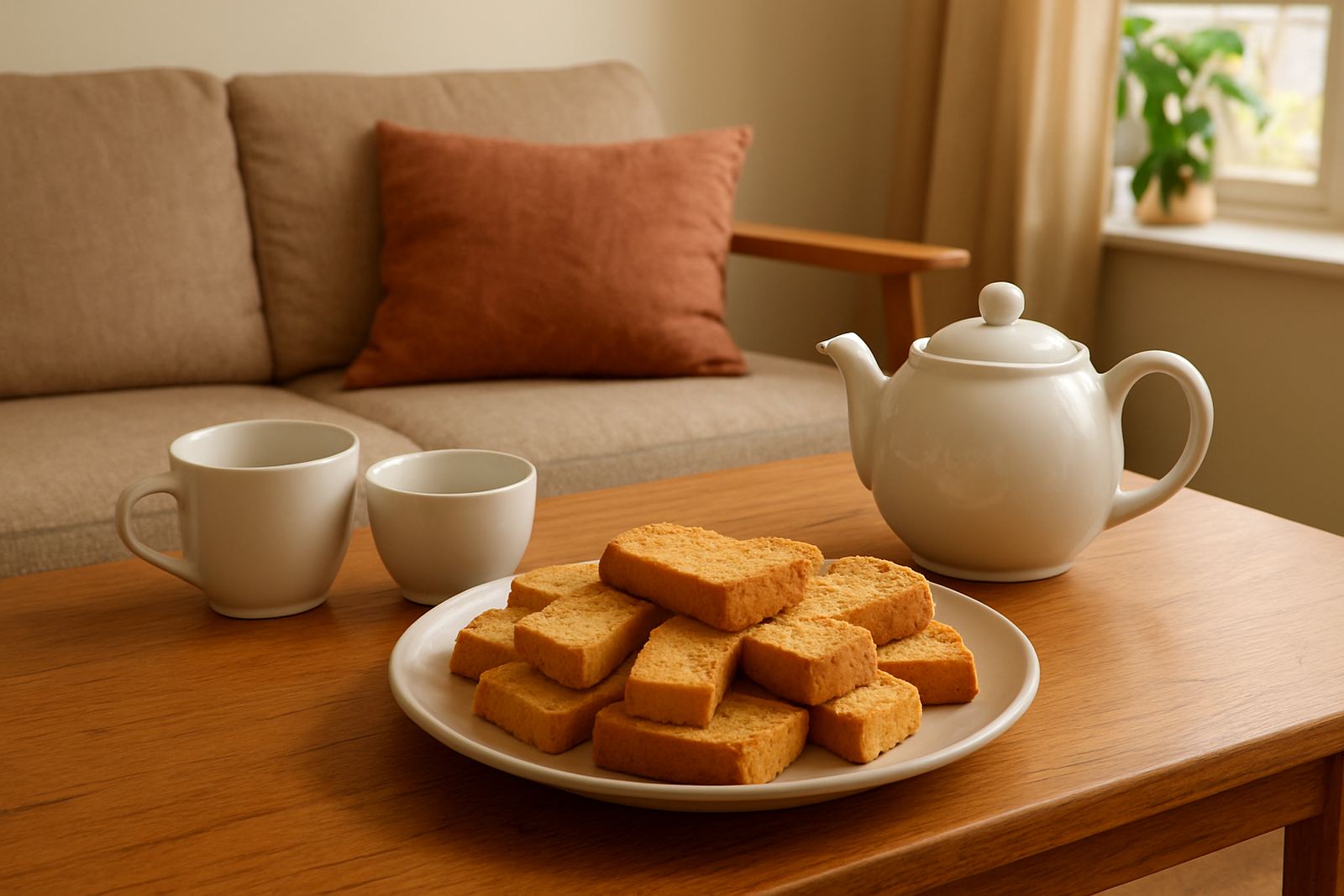
In homes across South Africa, especially in places with busy mornings and load-shedding interruptions, a rusk that keeps well and pairs easily with a kettle is a small but real comfort. It does not need fuss. It just needs to work, every time.
- Choose a shape that fits comfortably in a mug or in the hand.
- Look for even baking from edge to centre.
- Check that the rusk softens gradually, not all at once.
Freshness shows in colour, smell and bite
You can learn a lot from the look and smell of a rusk before you even taste it. A good batch should have an even golden colour, with no pale patches that suggest uneven baking. The smell should be warm and appetising, not dusty or stale. When you bite into it, the inside should be dry and open, but still structured enough to feel carefully made.
Freshness also depends on how the rusks are handled after baking. They need enough time to dry properly and then must be packed in a way that keeps moisture out. That matters in coastal humidity, and it matters inland too when storage rooms are warm. Good packaging and proper drying help preserve the bite and flavour people expect from a quality rusk.
If a rusk has gone stale, you will usually notice it quickly. The texture turns flat, the flavour fades, and the smell loses its warmth. That is why good bakers keep a close eye on batch consistency and storage conditions. It is a simple thing, but it makes a big difference.
Size and balance should suit everyday use
The best rusks are easy to live with. They should be big enough to satisfy, but not so large that they feel awkward to eat. A tidy, even cut helps with both storage and serving. This matters for family households, guest lodges, office kitchens and hospitality trays where appearance is part of the experience.
Balance also means the recipe is consistent from one piece to the next. Nobody wants one rusk that is packed with flavour and the next that tastes thin. Good production checks, steady baking times and careful cutting all help keep the product reliable. In a place like Paarl, where local customers may pick up stock for home use while wholesalers and hospitality buyers look for repeat quality, that consistency carries real weight.
When people order for events or gift boxes, they are not only buying food. They are buying something that feels cared for and tidy. A good rusk should look as good as it tastes, with neat edges and a shape that holds up in a basket, hamper or bulk tin.
What local buyers in Paarl often notice first
In the Western Cape, local buyers tend to notice practical things quickly. They ask whether the rusks stay crisp in the cupboard, whether they travel well, and whether the flavour is strong enough to enjoy without added sugar or spreads. They also want something that suits both home use and gifting. That is why the best rusks often become repeat purchases rather than one-off treats.
A useful way to judge a rusk is to test it in the setting where it will actually be eaten. Try it with morning tea after an early school run, or with coffee during a short office break. See whether it breaks neatly, tastes balanced and leaves your hands clean enough to get back to work. If it passes that test, it is usually a good sign. The details matter and that is what people remember.
For customers across South Africa, the mark of a good rusk is not just tradition. It is reliability. The flavour must be welcoming, the texture must be right, and the finish must make sense with a hot drink. When those things come together, a simple rusk becomes something people reach for again and again.