A small bite with a big place in the day
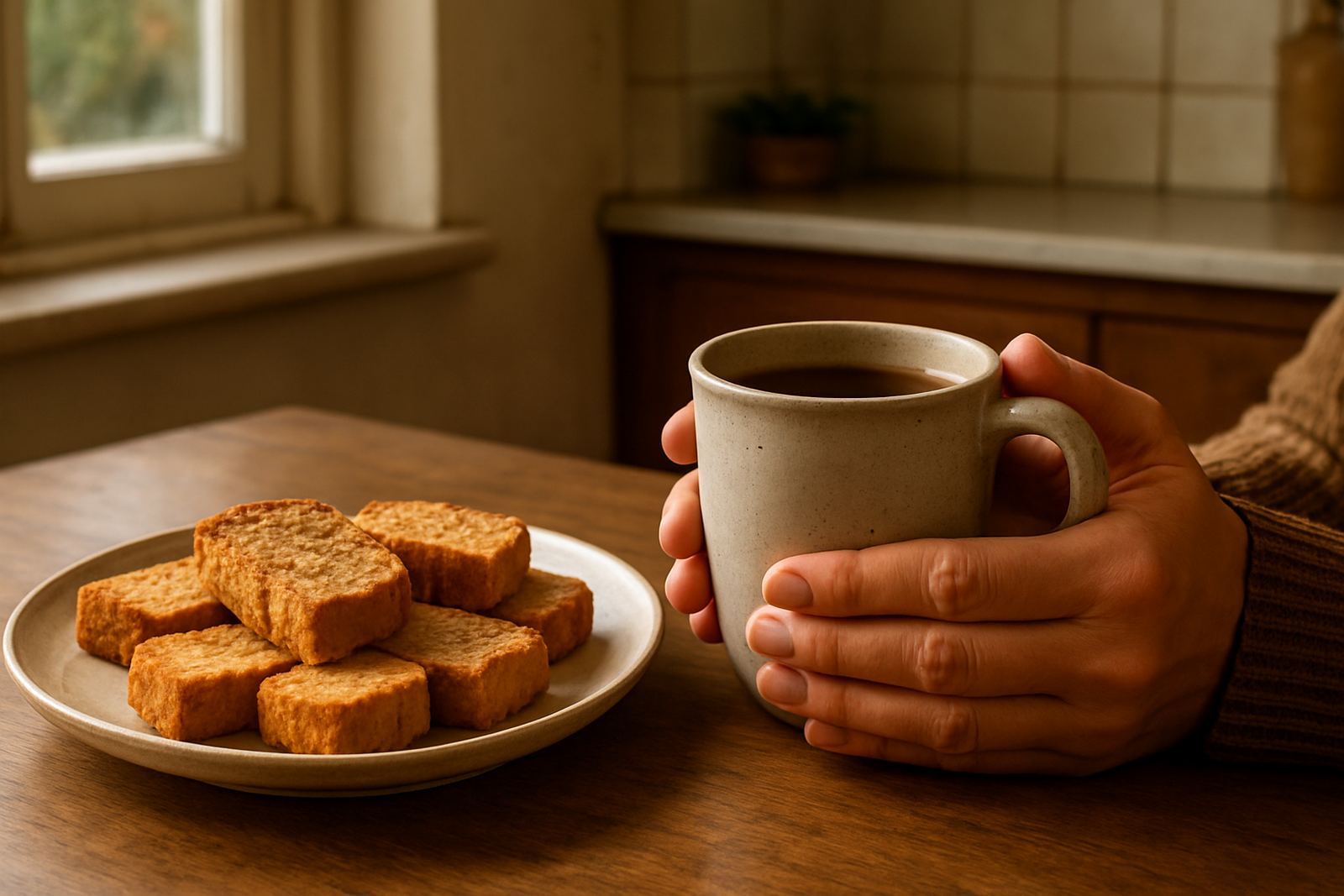
Rusks are not complicated, and that is part of why they feel so familiar. They sit quietly in the tin or jar, ready for early mornings, school rushes and those in-between moments when you need something plain, filling and steady. A rusk does not ask for a ceremony. It just works with a mug of tea, coffee or even warm milk.
In South African homes, especially in places like Paarl where mornings can start cool and crisp, that kind of food matters. It is the snack people trust when they want something dry, wholesome and easy to keep on hand. For families with busy schedules, that convenience counts just as much as the taste.
Why the texture matters more than people think
The feel of a rusk is as important as the flavour. It should be firm enough to dip, but not so hard that it becomes a struggle. Good rusks break down slowly, which is why they suit tea breaks and long chats. The texture gives you time to enjoy them, and that is often what makes them comforting.
- Buttermilk rusks usually give a plain, home-style flavour that pairs well with tea.
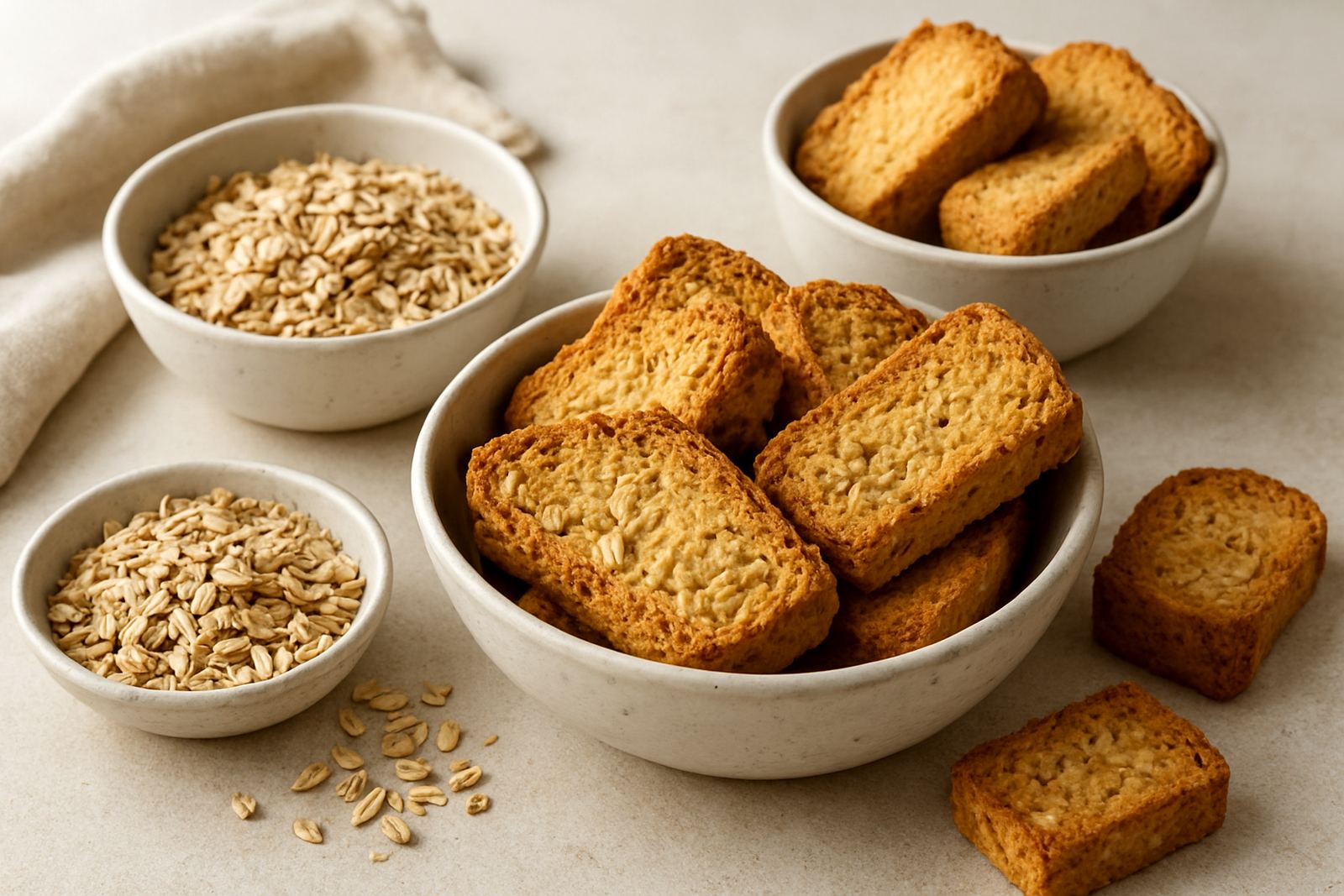
- Muesli rusks add grains and a slightly heavier bite for a more filling snack.
- Both styles are useful for households that want something simple to keep in the cupboard.
- A sealed container helps keep them crisp in coastal humidity or after a wet spell in the Western Cape.
If rusks are stored properly, they stay pleasant for longer and do not soften too quickly. That matters in summer when kitchens get warm, and it matters too during load-shedding when people open and close storage tins more often than usual.
Tradition that fits modern routines
Many South Africans grew up with rusks in the house, so the taste feels familiar before the first bite. Parents packed them for road trips, grandparents served them with tea, and guests often found them waiting in a tin on the counter. The habit carries through because it is practical. You can eat a rusk standing up, sitting down, at home or at work.
That mix of tradition and convenience is why rusks still hold their place. They suit township kitchens, farmhouses, apartments and guest houses alike. In a home where people leave at different times, a rusk is one of the few things that can bridge the gap between breakfast and lunch without needing much planning.
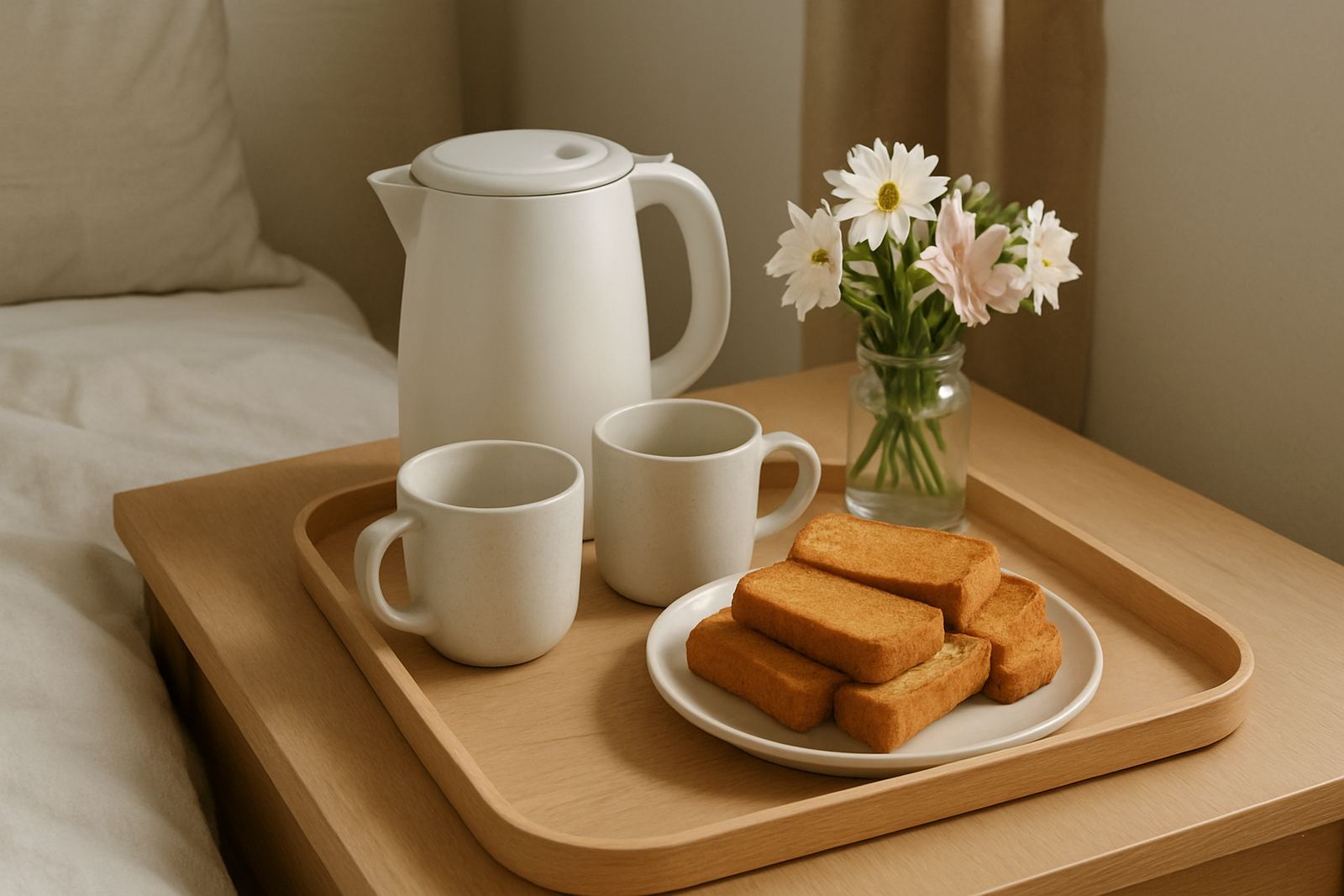
- Keep a container near the kettle for easy access.
- Offer rusks with coffee when visitors arrive early.
- Use them as a travel snack for school runs or long road trips.
- Choose mixed packs if your household likes different flavour strengths.
What makes a rusk feel homely rather than plain
A homely rusk has balance. It is not too sweet, not too crumbly and not overloaded with extras. The best ones taste honest. They remind people of kitchens where baking was done in batches and shared out afterwards. That is where the comfort comes from, not from anything fancy.
For many customers, buttermilk rusks feel like the classic choice because they are gentle and familiar. Muesli rusks bring in a fuller texture for people who want a more substantial bite. Both options can fit different households, which is useful when one person wants something light and another wants a snack that will last until lunch.
There is also something practical about food that keeps well. If you are managing a guest room, a small office or a family braai weekend, rusks are simple to store and easy to serve. No special prep, no rush, just a reliable tin on the counter.
A Paarl morning shows the point well
On a winter morning in Paarl, with the mountain still cool and the kettle taking its time, a rusk feels like the right answer. You hear the cups clink, someone checks the school bag, and the first tea of the day is poured. That is the setting where rusks make sense. They fit the rhythm of a house getting going.
For households in the Western Cape, weather often shapes what people want to eat. When the air is cold or damp, a dry snack with tea is comforting. In summer, the same rusk still works because it does not need refrigeration and it travels well to sports fields, offices and guest lodges. It is a small thing, but small things matter when the day is busy.
Choosing and serving rusks for home, work or gifting
If you are buying rusks for your own cupboard, for a team at work or for a gift, think about who will be eating them and when. A household that enjoys a stronger breakfast bite may prefer muesli. A client hamper or staff pack may suit a more traditional buttermilk option. If you are unsure, sample boxes can help before placing a bigger order.
- For home use, choose a pack size that matches how quickly your family gets through snacks.
- For hospitality, keep extra tins in the store room so you are never short before a booking.
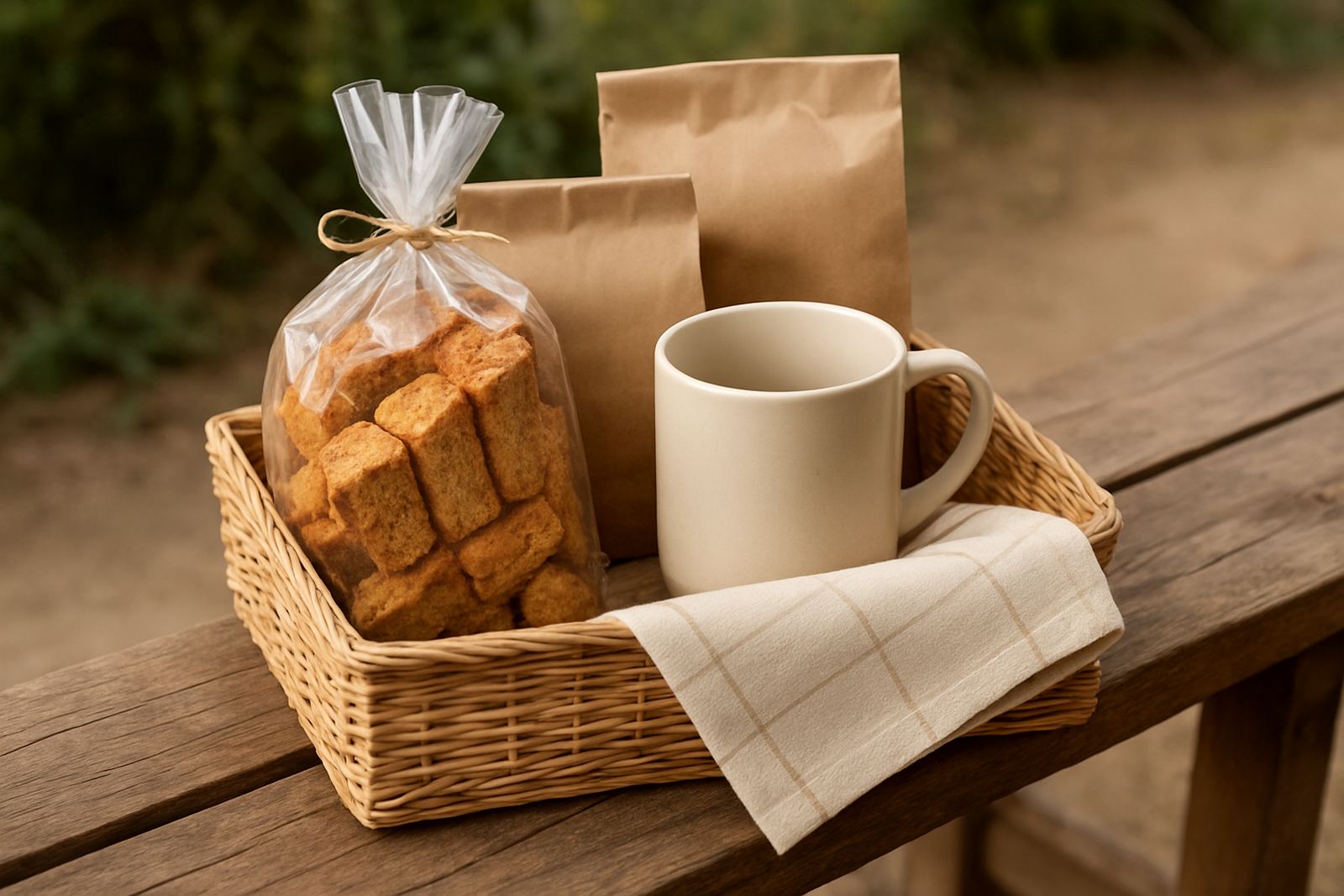
- For corporate gifting, pair rusks with tea or coffee items for a simple, useful gift.
- For fundraisers, portioned packs are easier to sell and hand out.
In towns across South Africa, from Paarl and Wellington through to Stellenbosch, Somerset West and Durbanville, rusks remain an easy item to stock and share. They are practical for a family, useful for a business and familiar enough to feel like home. That is why they keep their place, even when pantry shelves are full of newer choices.