Choosing the right rusk for your coffee cup
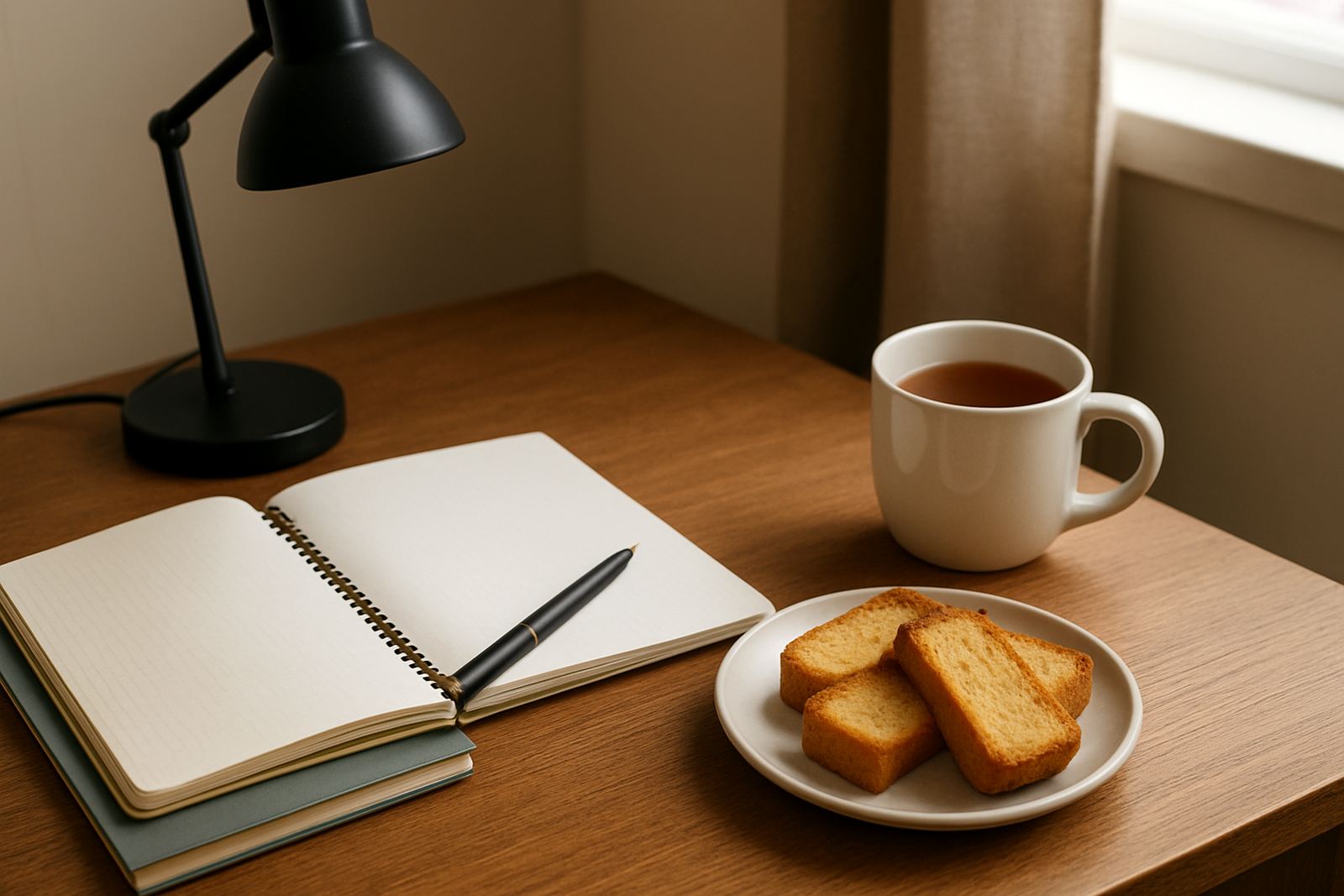
For most homes in Paarl, Stellenbosch and the wider Western Cape, the choice comes down to the coffee itself. Buttermilk rusks suit a strong filter coffee, a no-fuss instant cup, or a long black taken early before load-shedding gets in the way of the morning rush. The slightly firmer crumb stands up well to dipping, so it does not fall apart too quickly in the cup.
Muesli rusks work well with milder coffee, latte style drinks, or coffee with milk and a bit of sugar. The added grain, fruit and seed notes bring a softer bite, so they suit slower breaks, guest trays, and office tea rooms where people take a rusk with one hand and a mug in the other.
In a family home, it helps to keep both varieties on hand. Guests often prefer different pairings, and in our weather you will find that people reach for coffee differently in winter and summer. On cooler coastal mornings, a heavier cup and a buttermilk rusk feels right. In warmer towns like Somerset West or Durbanville, a lighter coffee and muesli rusk can be easier after breakfast.
How to set out a clean coffee station at home or work
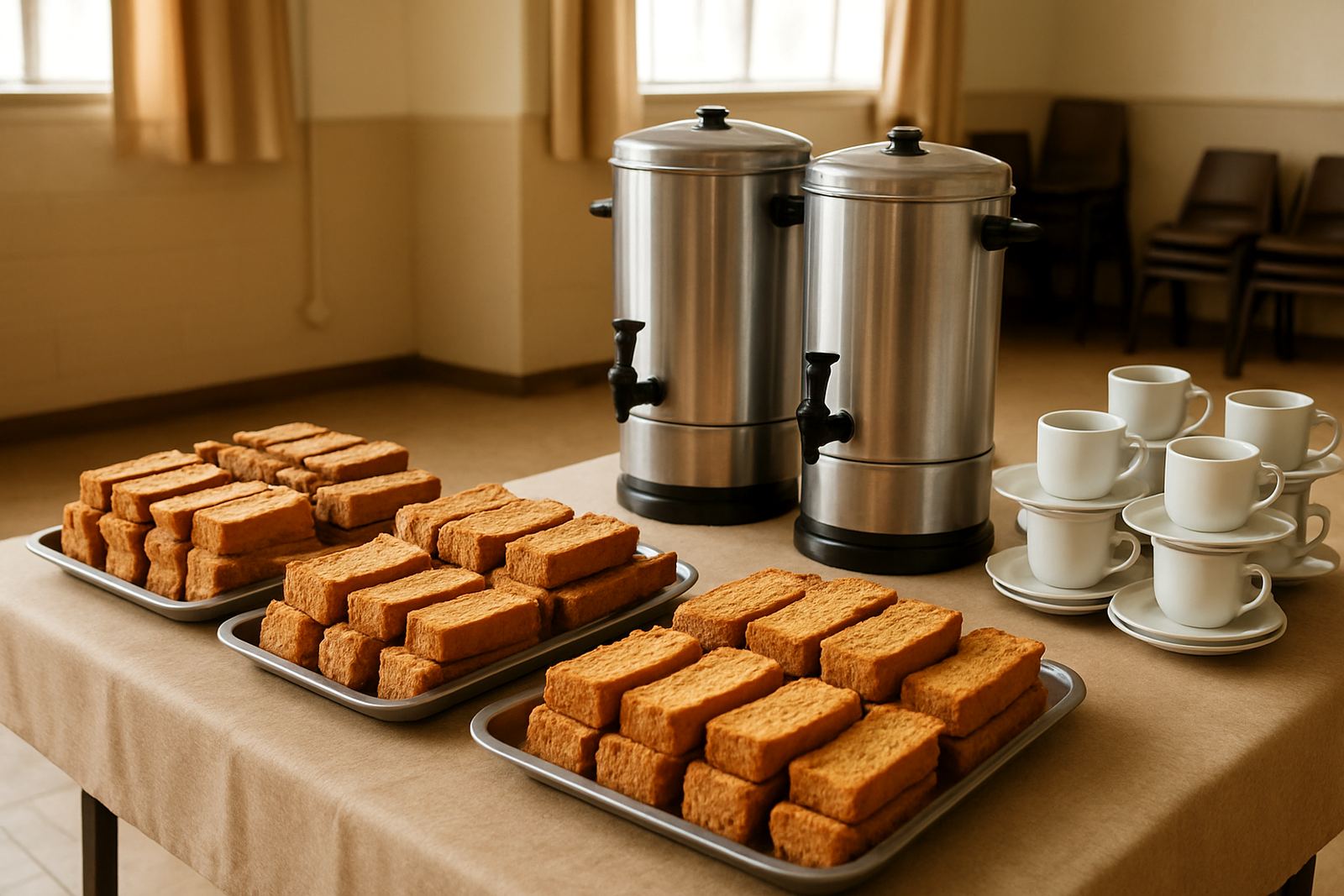
A proper coffee corner does not need much space. A counter of about 900 mm deep is enough for a kettle, coffee tin, mugs, sugar and a covered tin for rusks. If you are planning for a small office, guesthouse or church hall, allow at least 1.2 metres of clear working space so people can move around without crowding the urn or boiling kettle.
For homes with regular visitors, keep the rusks in a sealed tin or clip-top jar away from heat and steam. Coastal humidity can soften them quicker, especially in places like Somerset West or the southern parts of Cape Town. In Paarl and inland areas, dust and afternoon heat can still affect texture, so storage matters either way. We often suggest dividing a larger pack into smaller containers for day-to-day use.
- Place mugs and teaspoons on one side so the coffee area stays tidy.
- Keep milk in a fridge nearby, not on the same tray as the rusks.
- Use a basket or canister for individually wrapped packs at offices or receptions.
- Allow one rusk per guest, then add a small reserve for second helpings.
Common pairings that work well for everyday coffee breaks
There is no need to overthink it. Strong coffee and buttermilk rusks remain the most reliable match, especially for early starts, school runs, workshop breaks and farm mornings. The dry texture holds up well, and the flavour gives a proper home-style feel without needing spreads or extras.
Muesli rusks suit people who want something a bit lighter but still filling. They are often a better fit for mid-morning meetings, after-school snacks, and hospitality trays where you want a nicer finish than a plain biscuit. If you are serving a group, mix both kinds so people can choose according to their coffee strength and appetite.
- Black coffee with buttermilk rusks for a classic, no-frills break.
- Cappuccino or filter coffee with muesli rusks for a softer match.
- Milk coffee with either variety for a breakfast table or guesthouse setting.
- Decaf and muesli rusks for late afternoons, especially with younger guests.
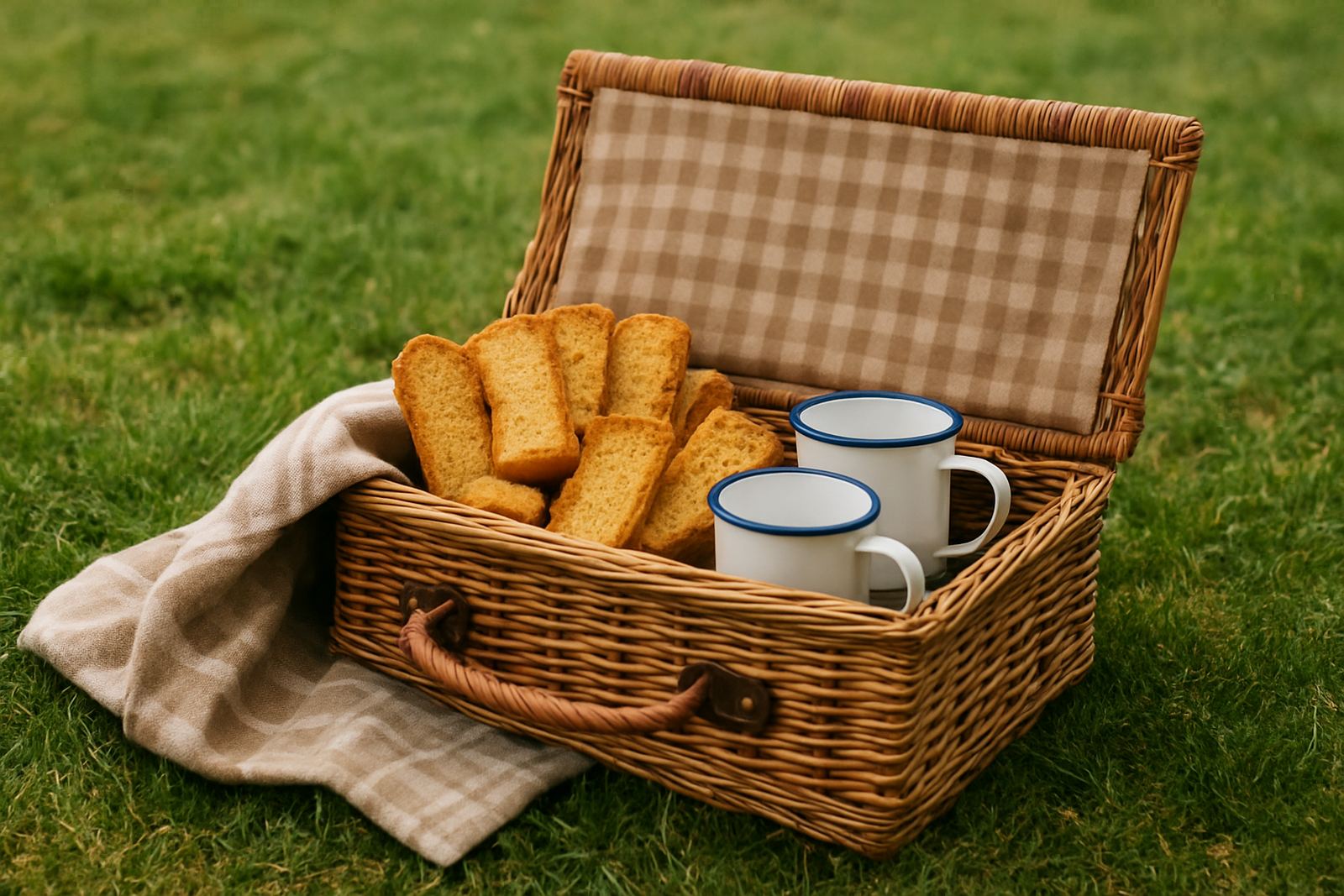
If you are packing for the road, use smaller portions in sealed bags. That keeps rusks fresher in a bakkie, office drawer or hospitality store room, and it makes it easier to hand out exact numbers for meetings or staff breaks.
Planning for offices, guesthouses and functions
For workplace tea rooms, a simple plan saves time and waste. Estimate one or two rusks per person per serving, then add 20 percent for visitors or bigger appetites. A small team of 10 might do well with a 500 g to 1 kg supply for the week, depending on how often coffee is served. For guesthouses, the quantity depends on stay length, but two rusks per room per day is a useful starting point.
Corporate gifting and event tables need a different approach. If rusks form part of a welcome pack or registration table, presentation matters as much as quantity. Smaller packs of 2 to 4 rusks work well with coffee sachets, and they are easy to hand out at conferences, school fundraisers and sporting events. For a more generous hamper, allow for a tin or box that can take 8 to 12 rusks without crushing them.
At events, think about weather and timing. In hot conditions, keep the rusks out of direct sun. In winter or on early coastal mornings, coffee service tends to move faster, so arrange the rusks in more than one spot. That way people are not queuing too long and the table doesnt look bare by mid-morning.
Budget ranges for coffee pairings in Rand
Most households can keep coffee pairing costs under control with basic planning. A small pack for everyday use is usually the most economical route, while larger mixed packs suit families, staff rooms and hospitality setups. As a rough guide, a home coffee routine with rusks might cost from about R60 to R180 a week depending on how many people are sharing.
For offices, guesthouses and community groups, the budget usually depends on pack size and presentation. Simple bulk orders for staff tea rooms can sit in the low hundreds of Rand per week, while branded gifting or hamper style packs will cost more. If you are ordering for an event, leave room in the budget for labels, extra packaging, and delivery to outlying areas around Paarl, Wellington, Franschhoek or Stellenbosch.
Common mistakes are easy to avoid: buying too much at once in humid areas, leaving packs open near the kettle, or setting out only one flavour for a mixed group. Another problem is forgetting to plan for delivery timing, especially when a function falls near a public holiday or municipal service interruption. A little extra margin helps, and it keeps the coffee table ready even if the day starts late.
When to order and how to keep supply steady
If you use rusks every day, order before you run out rather than waiting for the last tin to empty. That is especially useful for guesthouses, offices and wholesale customers where a missed delivery can throw off the week. Stock can be planned monthly for homes, weekly for smaller workplaces, and in advance for weddings, conferences and fundraising drives.
For best results, keep a simple rotation: use older packs first, store fresh stock in a cool cupboard, and keep the coffee station away from ovens or dishwashers. In summer, a closed pantry works better than a shelf above the kettle. In winter, people tend to serve more hot drinks, so supply often needs a bit of a lift. It is a small thing, but it saves a lot of last minute shopping.
Rusk offers nationwide delivery from Paarl, with stockist support in Paarl, Wellington, Franschhoek, Stellenbosch, Somerset West and Durbanville. For orders, wholesale supply, sample boxes or custom packs, contact bakery@rusk.co.za and plan your coffee table with enough room for the good stuff, not just the mugs.