Start with the type of event and the time of day
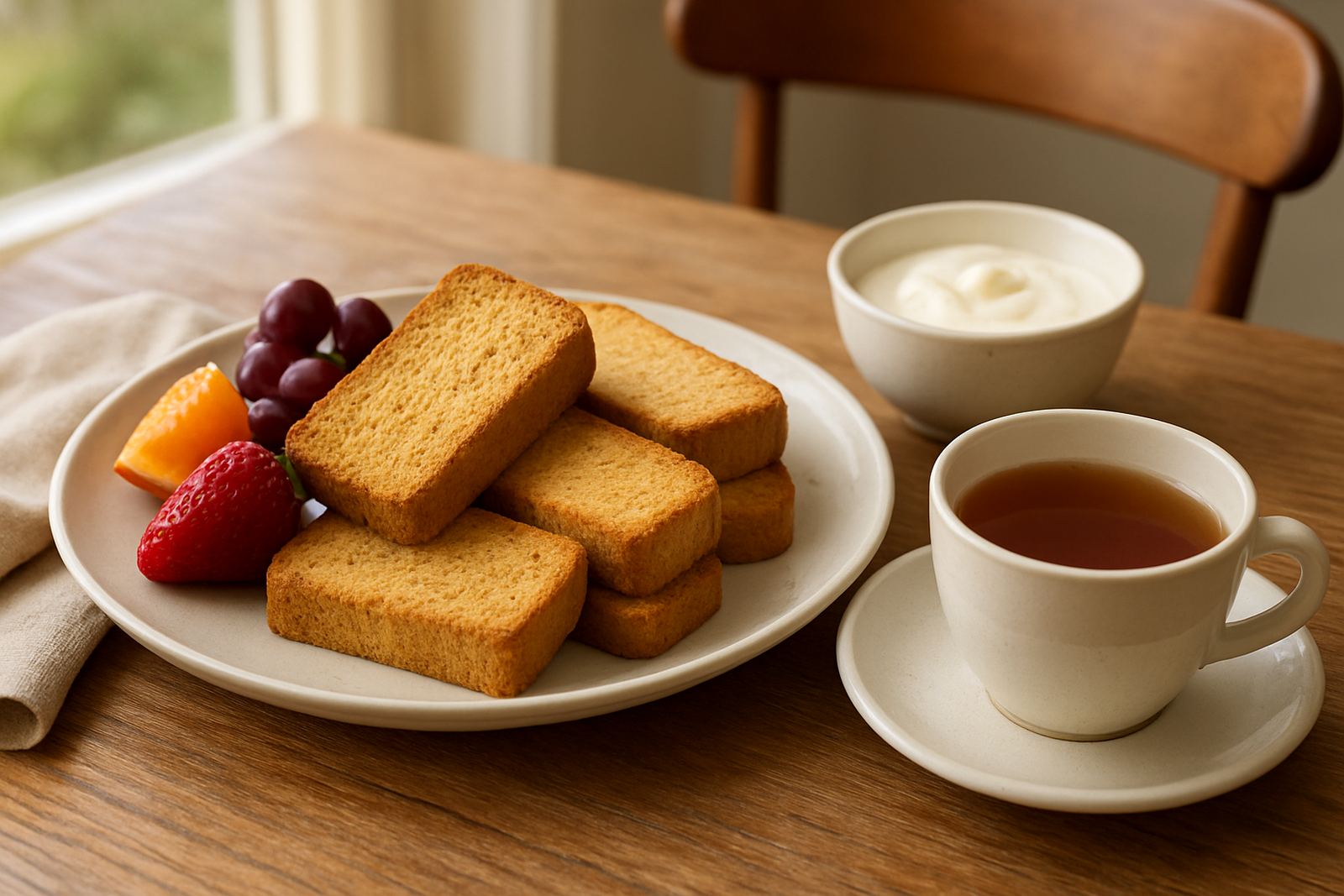
The first step is to think about how people will be served. A short morning meeting, an open tea table after a church service, and a full-day conference will all use different amounts. For events in Paarl, Wellington, Stellenbosch or Somerset West, tea stops are often busy, and guests may take more than one rusk if they are standing around chatting.
As a simple guide, work from the number of guests expected at the table, not only the number invited. For a formal sit-down tea, plan on one to two rusks per person. For a long function with self-service tea and coffee, allow two to three per person. If the rusks are part of a gift bag or welcome pack, one or two per bag is usually enough.
- Short meeting or bridal tea: 1 to 2 rusks per guest
- Standard function tea table: 2 rusks per guest
- Long event or all-day conference: 2 to 3 rusks per guest
- Gift packs or hampers: 1 to 2 rusks per pack
Work out quantities without running short
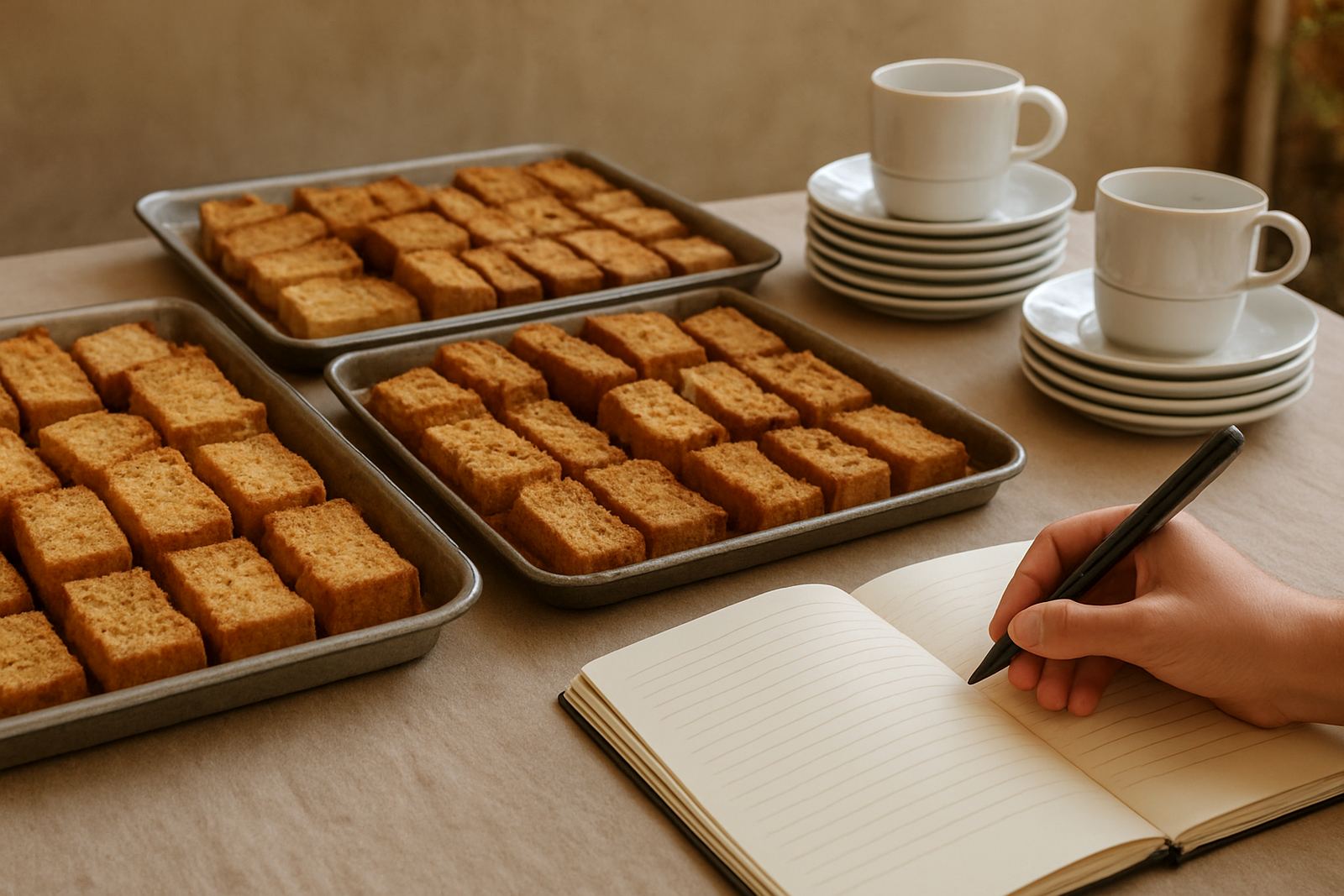
It is always better to add a small buffer than to come up short on the day. A good rule is to add 10 percent to your estimate for extra visitors, bigger appetites, or second helpings. For a 50-person event, that means ordering for about 55 guests. For 120 guests, plan closer to 132. This small margin helps a lot when the tea table stays busy longer than expected.
If you are supplying more than one tea point, split the stock across the tables instead of stacking it all in one place. That makes service neater and reduces the risk of one table emptying early. At venues in Franschhoek or Durbanville, where functions may run indoors and outdoors, it can also help to keep one back-up box in a cool dry spot.
- Add 10 percent for a safety margin
- Split stock across multiple tea tables where possible
- Keep one spare box aside for top-ups
- For mixed age groups, allow extra because children often ask for more
Choose the pack style that suits the setting
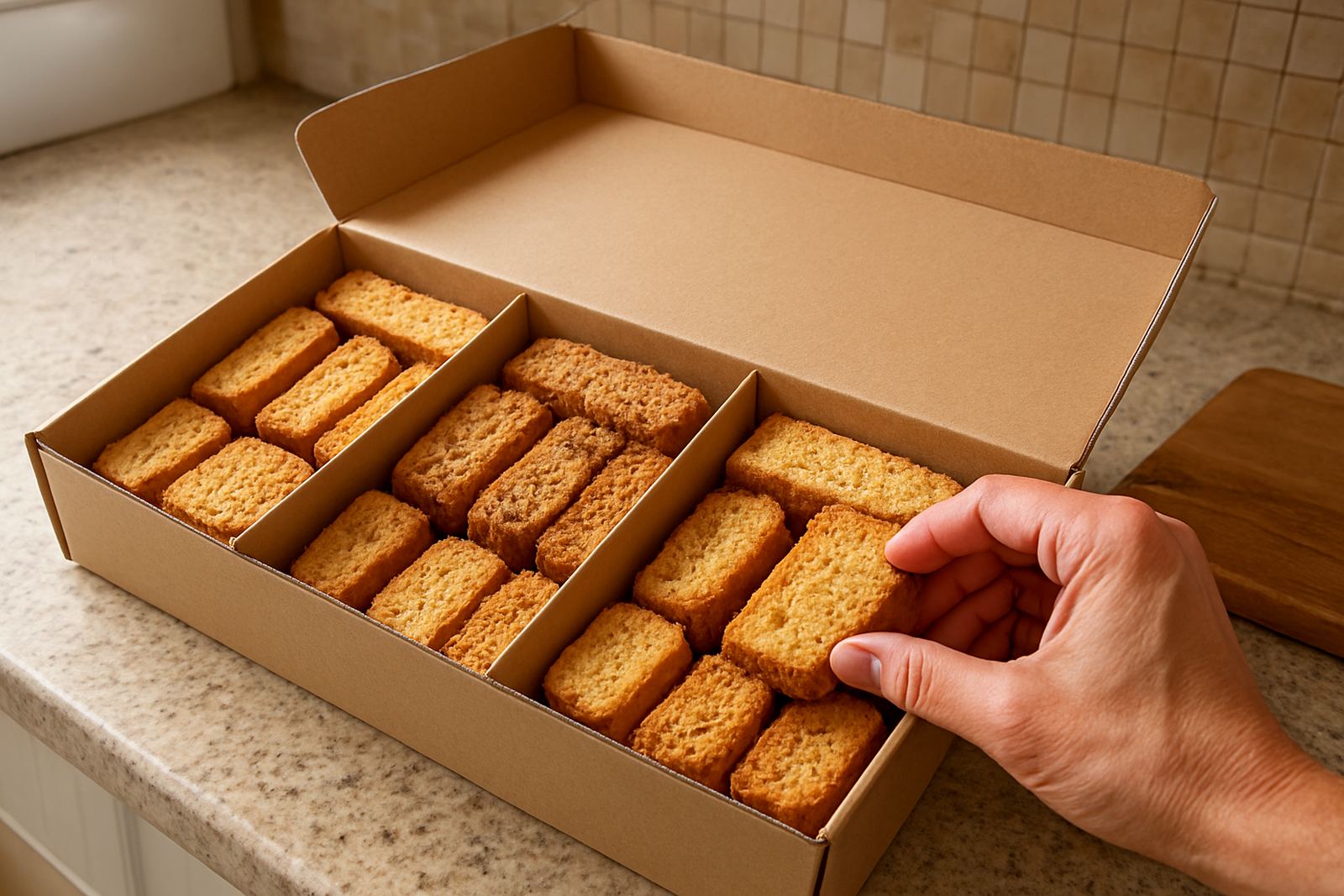
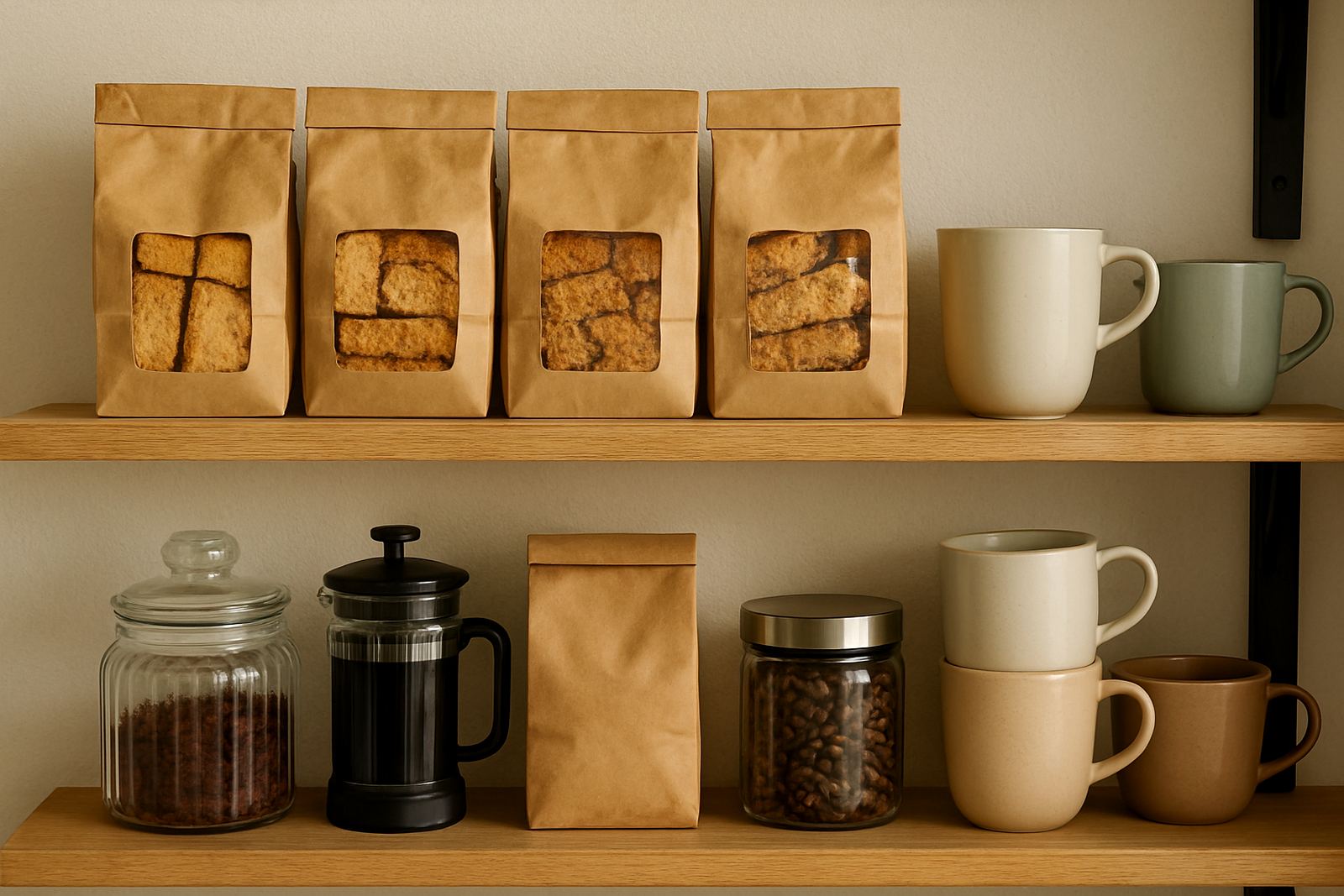
Pack style matters because it affects service speed, presentation and freshness. Loose bulk packs work well for caterers and hospitality teams who need to refill trays quickly. Smaller retail-style packs are better for gift bags, conference packs and custom hampers. If the event is near the coast, such as around Somerset West or further down to the winelands, sealed packs can help protect against moisture in humid weather.
For events where guests will serve themselves, choose packs that are easy to open and simple to store on trays or in baskets. For branded or corporate occasions, smaller packs can be placed into each bag with a card or note. If the function runs over several hours, select a pack style that can be opened in stages so the rusks stay crisp.
- Bulk packs: best for catering, tea tables and refills
- Small packs: good for gifts, hampers and guest bags
- Sealed packaging: useful in humid weather and coastal venues
- Easy-to-store packs: ideal for functions with limited prep time
Order lead times for functions and deliveries
Book early if your event falls near a public holiday, school break or busy wedding weekend. For local delivery in Paarl and nearby towns, a few days lead time is often enough for standard orders, but bigger functions need more planning. Nationwide delivery should be arranged earlier so there is time for packing, transport and checking the delivery address. This is especially important if the venue has strict access times or loading bay rules.
If you need rusks for a set date, confirm the event day, venue name and receiving contact number when placing the order. That helps avoid delays on the day. Keep your order details in writing and check them once more before dispatch, especially when the venue is outside town or the delivery point changes at short notice.
- Small local orders: allow a few days
- Large or multi-item orders: allow more time for packing
- Nationwide deliveries: book earlier than local supply
- Always include venue name, date and contact person
Plan for tea tables, gift bags and hospitality trays
Different event setups need different packing methods. For tea tables, it helps to have one tray or basket per table with a tidy reserve nearby. For guest bags, place the rusks in a way that will not crush them under other items. For hospitality trays in rooms or staff areas, smaller portions are easier to manage and less likely to be wasted. If the event is at a school fundraiser or community hall, simple packing also makes distribution quicker.
Corporate functions often need a neat, consistent look, while family celebrations may be more flexible. Either way, think about who will handle the boxes, where they will be stored, and whether they will be opened before guests arrive. A little planning saves a lot of last-minute sorting.
- Tea tables: use trays or baskets for quick access
- Gift bags: choose smaller packs that fit neatly
- Hospitality trays: keep portions compact and easy to refill
- Fundraisers: plan for simple distribution by volunteers
Final checklist before you place the order
Before you send the order, run through a quick checklist. Count guests, confirm the event time, check the venue address and decide where the boxes will be received. If you are ordering for a team, function or client event, also check whether you need a mix of pack sizes or a single standard pack. That makes it easier to match the order to the budget and the service plan.
For event planners in Paarl, Wellington, Stellenbosch and beyond, this last check can prevent avoidable mistakes. If you are unsure, start with the guest count and add a small buffer. It is a simple approach, but it works well.
- Guest count confirmed
- Event date and delivery time checked
- Venue address and contact person confirmed
- Pack style selected
- Extra 10 percent added for buffer