Why buttermilk rusks still feel like home
There is a reason buttermilk rusks never really go out of favour. They suit early mornings, rushed school runs and those quiet breaks when you want something solid with a cup of tea. The flavour is familiar, not too sweet, and it works just as well at a kitchen table in Paarl as it does in a small office in Somerset West.
For many South African households, buttermilk is the classic choice because it feels plain in the best possible way. It is the rusk people trust when they want something that is easy to share, easy to store, and easy to serve to guests without any planning. You do not need a special occasion, only a kettle and a tin.
That is also why buttermilk often becomes the first rusk people buy again and again. Once a family settles on a texture and sweetness they like, they tend to stay with it. The comfort is in the repeat. Same cup, same crunch, same good habit.
What gives a good buttermilk rusk its character
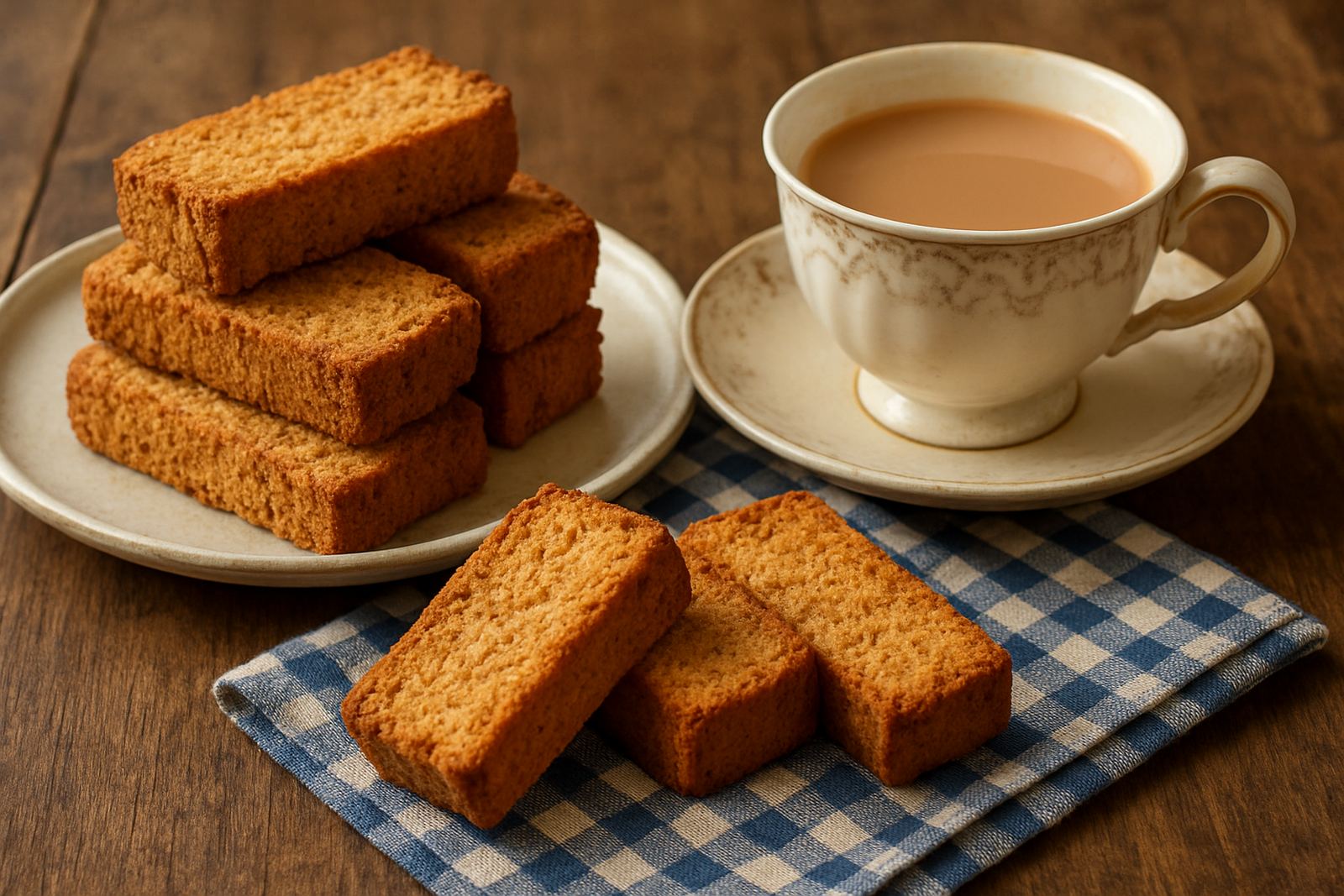
A proper buttermilk rusk should hold together well, but still break cleanly when dipped. It must be dry enough to keep its shape in the pantry, yet not so hard that it feels like a chore to eat. The balance comes from the dough, the baking time and the final drying stage, which all matter more than people think.
In practical terms, a good batch should smell warm and buttery before you even open the bag. The crumb should be even, with a gentle richness rather than a heavy taste. If the pieces are too thick they can be difficult to dunk, and if they are too thin they may crumble before they reach the cup.
Useful signs to look for when choosing buttermilk rusks:
- Even colour across the batch, without dark burnt edges
- A firm bite that softens nicely in hot tea or coffee
- Clean break lines, so the pieces do not shed too many crumbs
- A fresh baked smell, not a stale or oily one
- Packaging that keeps the rusks dry in humid weather
In the Western Cape, that last point matters. Paarl can be dry in summer, but coastal moisture moves inland at times, and a rusk that is not packed well can lose its texture quicker than expected.
How to serve buttermilk rusks the local way
Buttermilk rusks are not fussy, which is part of their appeal. They suit black tea, rooibos, instant coffee or a milky mug after a long drive between towns. They also work well for visiting family because no one needs to be asked what they would like, the tin is already on the table.
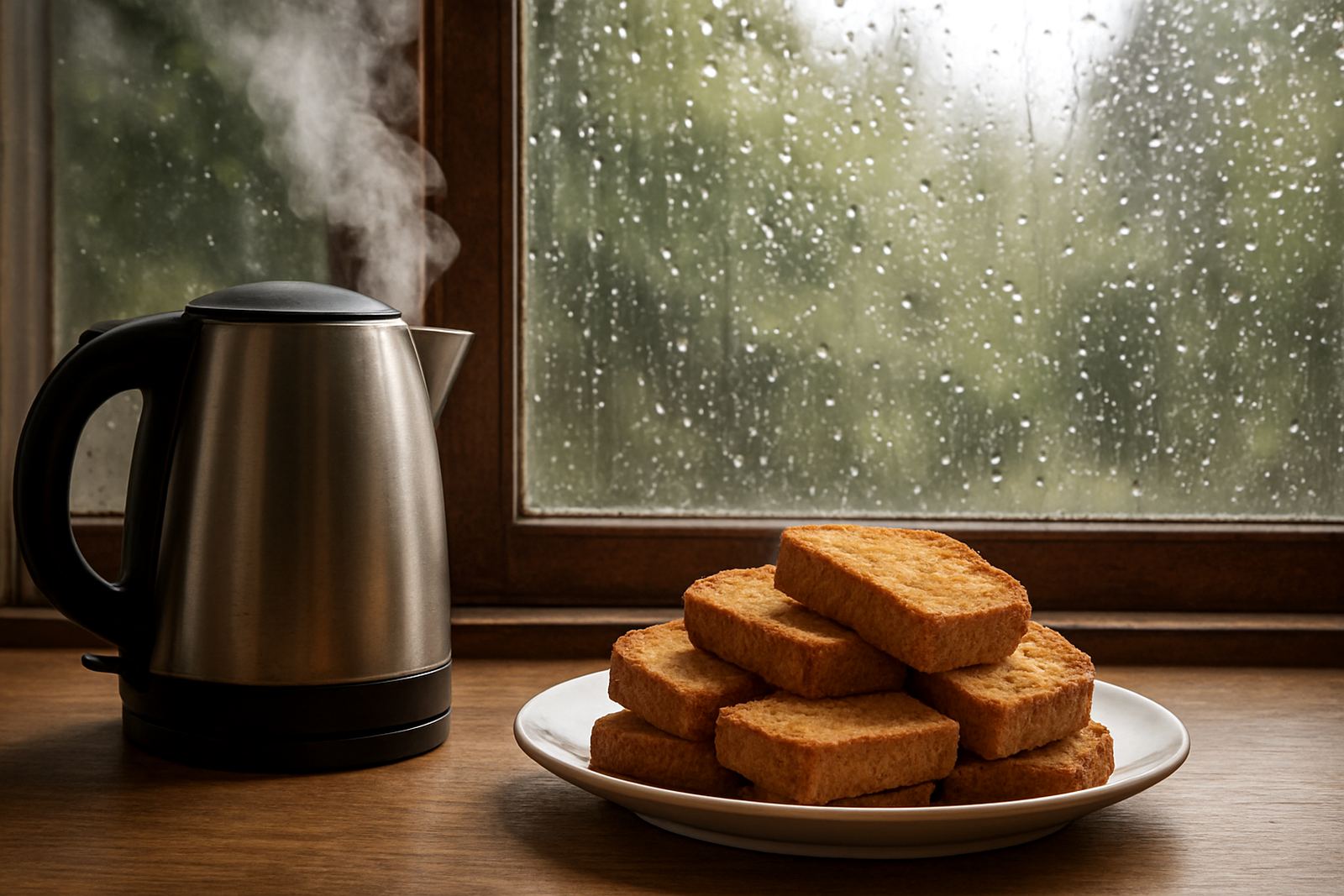
In Paarl households, a common habit is to keep rusks near the kettle so they are ready before the first cup cools down. For a guest tray or a staff kitchen, it helps to portion them into small sealed containers or paper bags, especially if they will not all be used in one day. That keeps the texture right and cuts down on crumbs.
Practical serving ideas for home, office or guest use:
- Serve with hot tea at first light for early work starts
- Pack two or three with coffee for travel between Paarl and Wellington
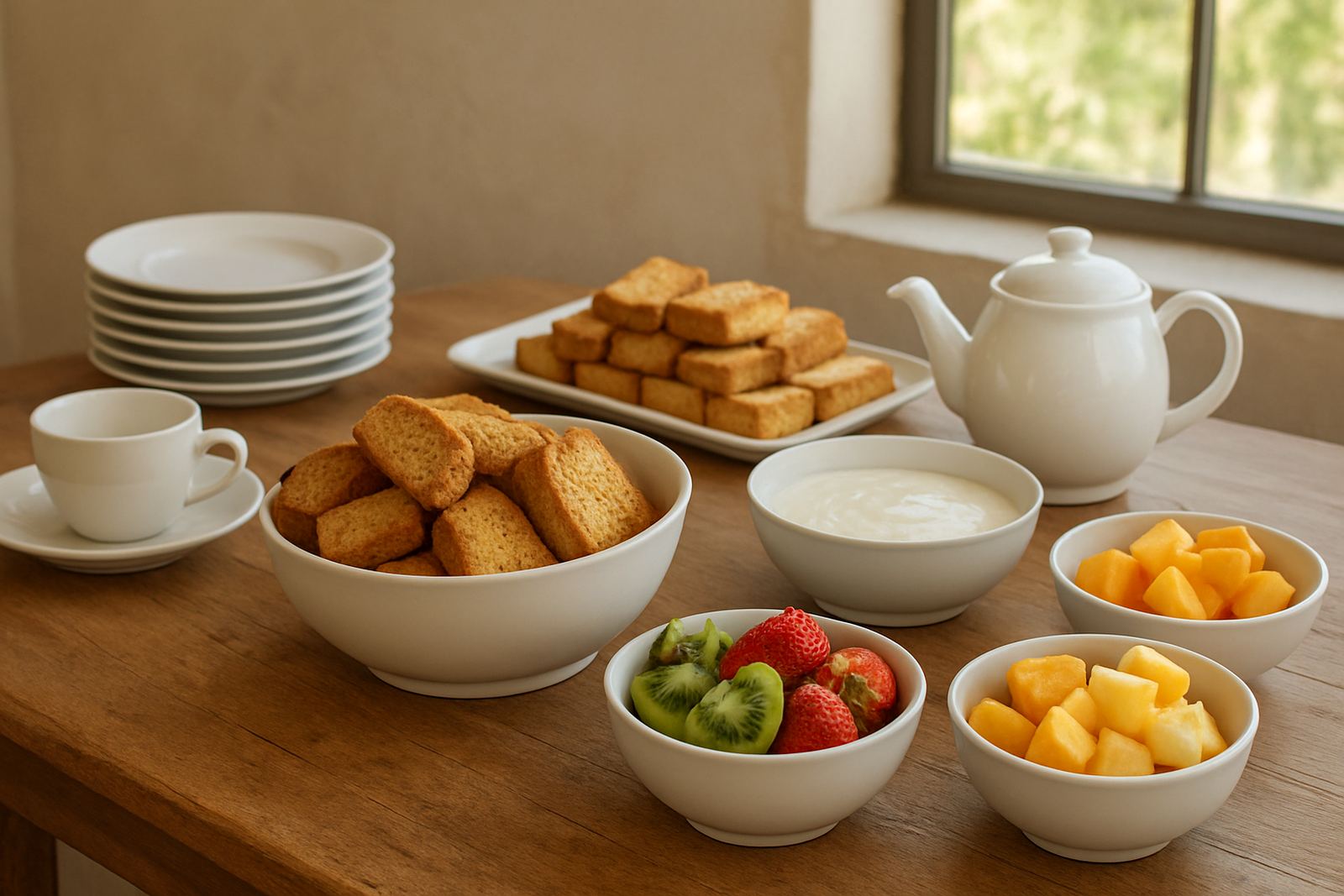
- Offer alongside fruit and yoghurt at breakfast for a fuller meal
- Add to hospitality trays in guest rooms for a simple welcome
- Include in care parcels and fundraiser packs where shelf life matters
For events, it is worth thinking about quantity rather than variety. A plain buttermilk rusk can suit many people, which makes planning easier when you are buying for a church sale, a school fundraiser or a small function in Franschhoek.
Buying advice for households and businesses
If you are buying buttermilk rusks for regular use, check how quickly your home or business gets through a pack. A family of four may finish a 1 kg bag in a week or two, while a guesthouse or office can work through much more, especially when there are early breakfasts and meetings. Ordering the right quantity saves money and keeps stock fresh.
For wholesale or repeat orders, consistency matters just as much as taste. You want the same size, the same crunch and the same packing standard every time, so your staff or guests know what to expect. That is especially useful for hospitality supply, where breakfast service needs to run on schedule and there is no time to sort out broken packs or damp stock.
Things to ask before placing an order:
- What pack sizes are available for home use and bulk supply
- How the rusks are packed to protect freshness in humid conditions
- Whether sample boxes are available for taste testing first
- How stock is handled for nationwide delivery
- Whether custom hampers or corporate orders can be mixed with other items
At Rusk in Paarl, that mix of home-style baking and practical packing suits both a single household order and a larger wholesale request. For local businesses in Stellenbosch or Durbanville, it also makes reordering simpler because the product stays familiar from one delivery to the next.
A Paarl example that shows why the classic still wins
Take a small guesthouse in Paarl that serves breakfast before the day gets hot. The owner does not want trays that need constant topping up, and they do not want leftovers that sit too long. Buttermilk rusks fit that setting because they are tidy, dependable and easy to count out for each table. Even when load-shedding interrupts the morning routine, the rusks are already there and do not need heating.
The same logic applies to a busy office in Wellington. Staff want a quick tea break, and visitors need something simple while waiting for a meeting. A tin of buttermilk rusks covers both without extra effort. It is a small thing, but small things matter when people are trying to keep a day moving.
That is why the classic remains so useful. It is not about novelty. It is about a snack that meets everyday needs, from breakfast tables to reception counters, with no learning curve at all.
Why tradition still matters in a modern pantry
People often talk about convenience as if it only means speed, but with rusks it also means trust. A familiar buttermilk rusk is convenient because you know what you are getting. You know how it will dip, how it will crunch and how many cups it can get through before the packet is finished.
That sense of trust is part of why buttermilk remains a beloved classic. It is a product that suits daily life in South Africa, where tea breaks are part of the rhythm of home, work and travel. The tradition survives because it still works, plain and simple.
For households, stockists and businesses looking for something that feels honest and practical, buttermilk rusks keep earning their place. They are the kind of pantry item people notice only when they run out, which is usually the sign of a real favourite.