Start with surfaces that can handle daily use
A farmhouse kitchen is not about perfection, it is about materials that can take a knock and still look right. In a Paarl home, that might mean a pine table with a few marks, painted cupboards, stone counters, and floors that can cope with dust from an open door on a windy afternoon. If the kitchen is where family members drop keys, unpack school bags and make tea before sunrise, then the finishes need to be practical first.
Think in layers. A solid table, a simple shelf for jars, a tray for sugar and mugs, and one or two woven pieces can give the room that easy country feel without making it fussy. If your home gets strong summer heat or coastal humidity, choose finishes that are easy to wipe down and less likely to swell or stain. That saves time and money later, which is always welcome.
- Use sealed timber or painted finishes on high-touch areas.
- Choose crockery that can be stacked and used every day.
- Keep one open surface clear for bread, fruit or a rusk tin.
Build the room around tea, coffee and a proper rusk tin
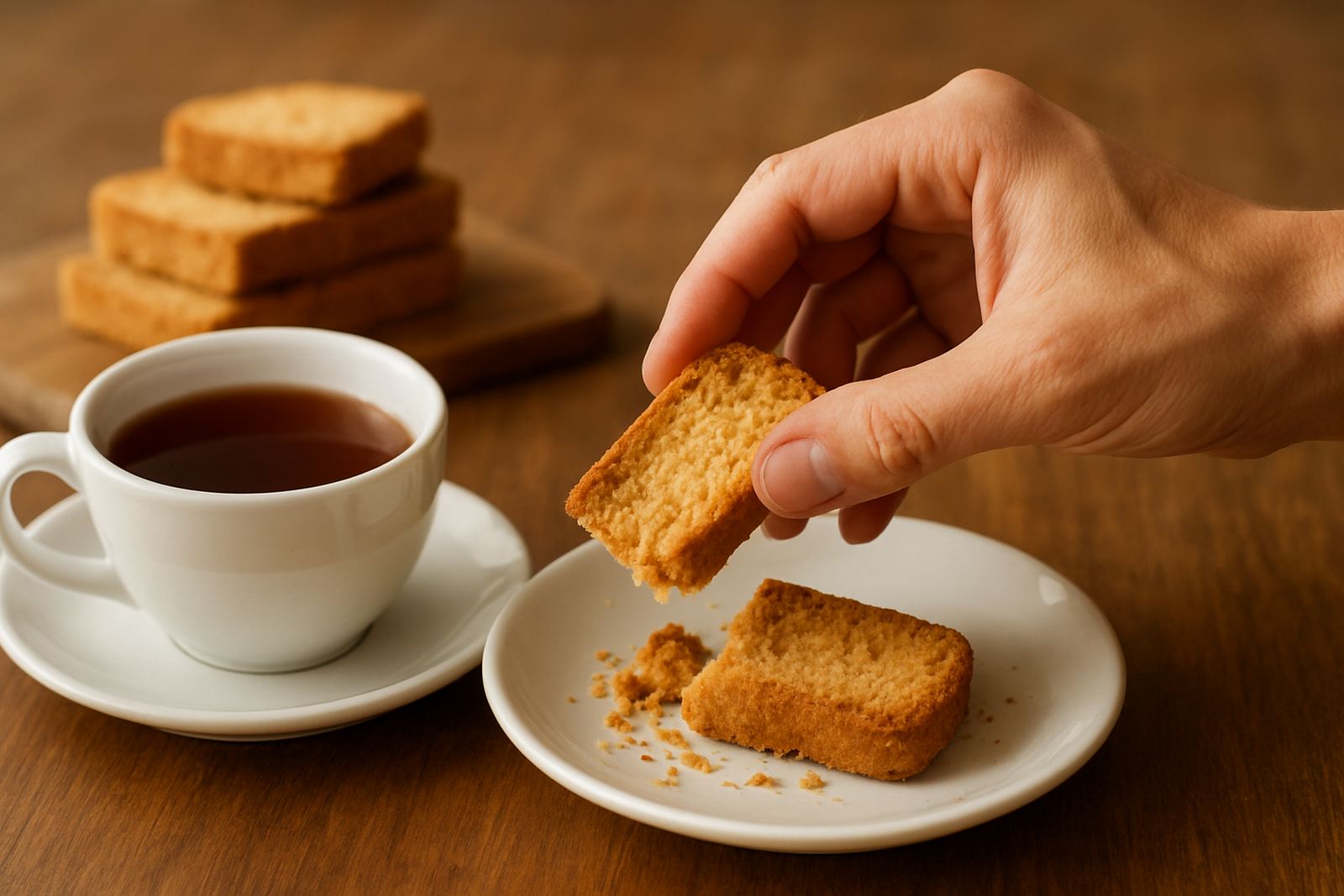
The farmhouse look becomes believable when the kitchen supports real habits. In many South African homes, that means the kettle is always near the stove, the mugs are easy to reach, and there is a container for rusks that sits close to the tea station. A good rusk tin or ceramic jar feels right in this kind of space because it suggests someone is always welcome to sit down.
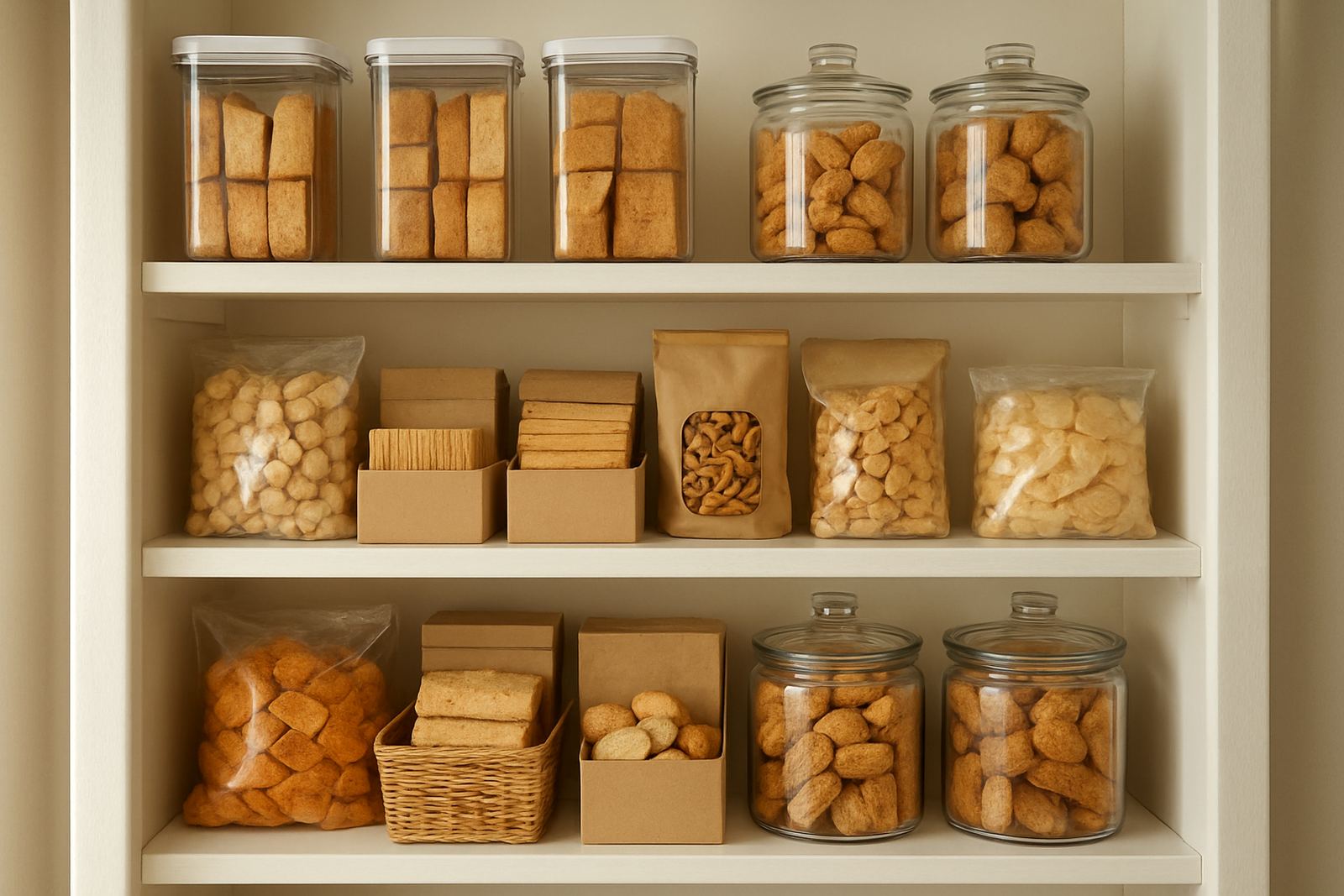
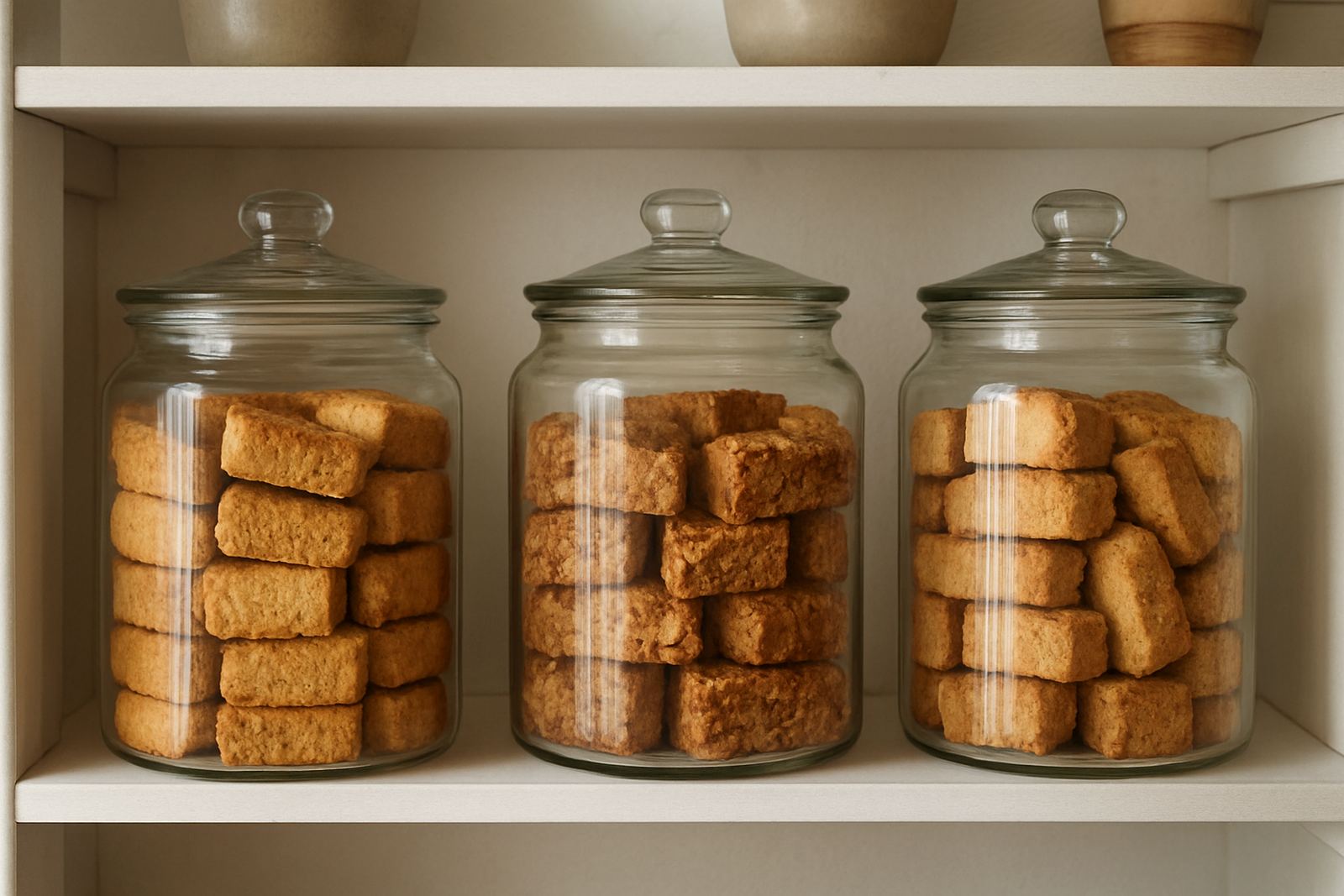
When rusks are part of your daily routine, storage matters. Keep them in a dry spot away from the oven and away from steam from the kettle. In summer, especially in warmer parts of the Western Cape, you do not want biscuits or rusks going soft by accident. A closed tin helps keep them crisp and ready for that first cup before the day gets busy.
- Place mugs, sugar and spoons together in one easy spot.
- Keep the rusk tin near the kettle, not across the room.
- Use jars for tea bags, coffee and preserves so the counters stay tidy.
Choose colours that feel calm and familiar
Farmhouse kitchens usually look best in gentle colours rather than sharp, glossy ones. Cream, white, soft grey, sage and light wood tones give the room a relaxed feel and let the food and crockery do more of the talking. In a place like Franschhoek or Stellenbosch, where older homes and fresh renovations often sit side by side, that softer palette works well because it feels tied to the house rather than fighting it.
Natural light also plays a big part. A north-facing kitchen can take pale colours beautifully, while a darker room may need warmer whites and more timber to stop it feeling cold. If your kitchen is used early in the morning, paint colours that shift gently with daylight are better than stark whites. They hide a little dust too, which is useful in our dry months.
Keep patterns simple. A checked cloth, a striped tea towel or a plain tile splashback is enough. You do not need much more for the room to feel welcoming.
Use open shelves and jars with some discipline
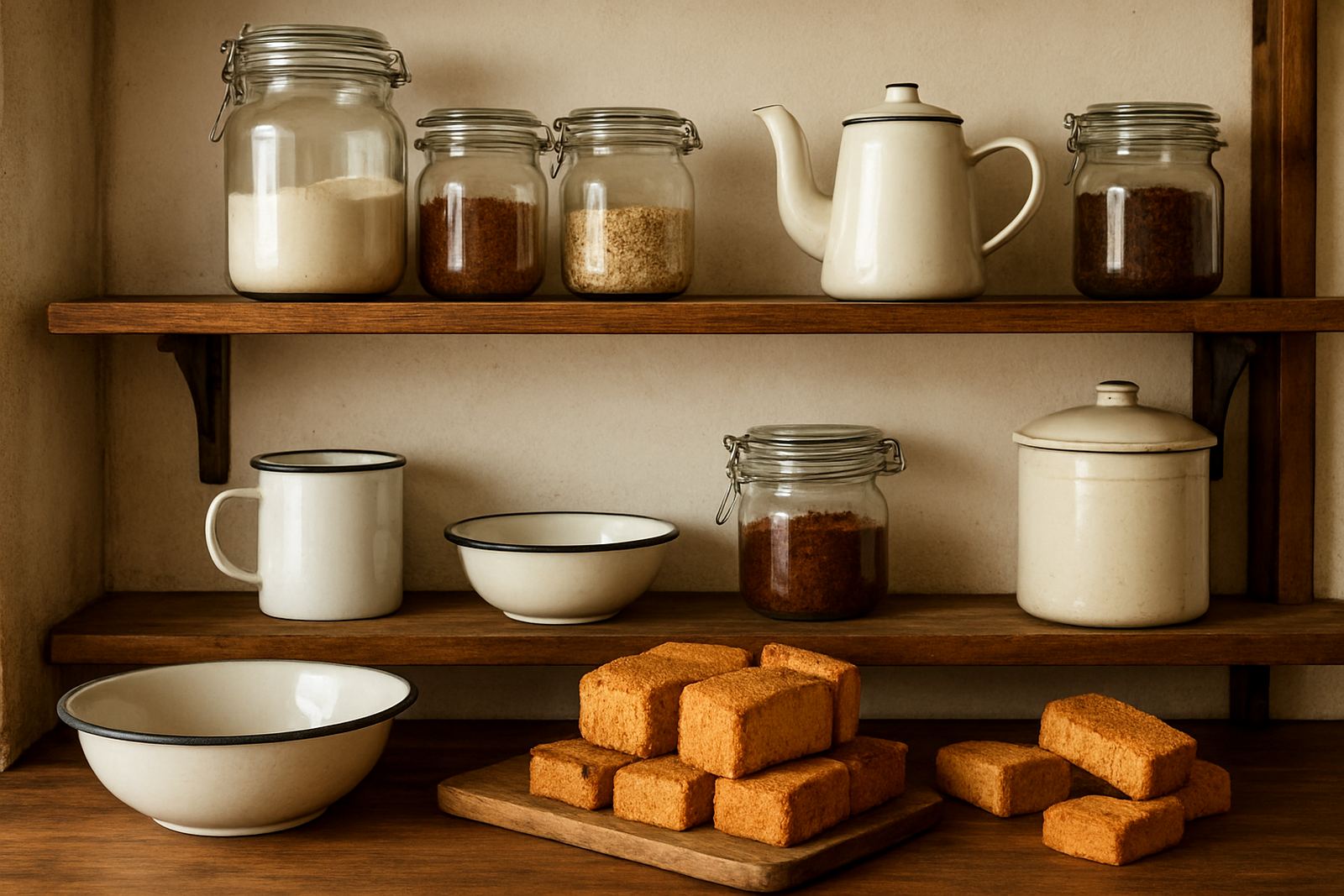
Open shelving is a classic farmhouse feature, but it only works if it is managed properly. Too much on display makes the room look crowded. The trick is to show the things you use often, while keeping the rest tucked away. A few jars, a stack of plates and a row of tea cups can look homely and useful at the same time.
This is where a little order goes a long way. Keep similar items together, leave breathing space between them and do not fill every shelf to the edge. If you live in a busy house, this also helps when load-shedding hits and you are making tea by torch light, because everything is where it should be and not in a jumble.
- Show off everyday pieces, not every piece you own.
- Use matching jars for flour, sugar and coffee.
- Leave a shelf or two half empty so the room can breathe.
Make room for visitors, not just meals
A real farmhouse kitchen usually has more than one job. It is where people talk while the kettle boils, where children ask for another slice of toast, and where guests end up standing even when there is a sitting room nearby. That is why a small breakfast table, a bench or a sturdy island can be so useful. It gives people a place to pause.
If you run a guest house, small farm stall or family-run business around Paarl, Wellington or Somerset West, this style also suits hospitality. A tray of rusks beside the coffee can make visitors feel looked after without any ceremony. It is practical, warm and easy to manage when you are trying to keep service moving. Even a simple sample box placed on a side board can say a lot.
For everyday homes, the same thinking applies. The kitchen should invite people to sit down for ten minutes, not rush out the door. That is the difference between a room that looks nice and one that actually feels like home.
Keep the warmth without making the kitchen cluttered
The farmhouse look can slip into clutter if every wall, shelf and hook gets used at once. Better to choose a few meaningful pieces and let them carry the style. A hanging rail with a couple of utensils, a bread bin, a loaf of fruit, and a basket for serviettes is usually enough. Add a rusk jar and you have the sort of scene that feels lived in rather than arranged.
Practical upkeep matters too. Wipe down wooden handles, keep textiles fresh and store bulk items in containers that close properly. In coastal areas, salt air and damp can affect packaging, so dry storage is worth the effort. Inland homes may deal more with dust and heat, which means lids and sealed jars are still important. Small habits keep the kitchen looking cared for.
If you want the room to stay inviting, reset it at the end of the day. Put the kettle back, sweep the floor, top up the tea caddy and make sure the rusks are within reach for morning. It only takes a minute or two, but it keeps the whole space ready for the next cup.