Why rusks earn their place in the pantry
Some snacks are good only when they are fresh from a packet, which means they disappear quickly and need careful handling. Rusks are different. They are baked to be dry and sturdy, so they stay useful in a cupboard for weeks and often longer if kept in a cool, dry place. That makes them practical for families, guest houses, offices and anyone who wants something simple on hand for tea or coffee.
In Paarl and across the Western Cape, many households keep pantry items that can handle warm days, load-shedding and the odd power cut without much fuss. Rusks suit that kind of home. They do not need refrigeration, they do not take up much space, and they are easy to portion out one or two at a time. For a busy kitchen, that matters more than fancy packaging ever will.
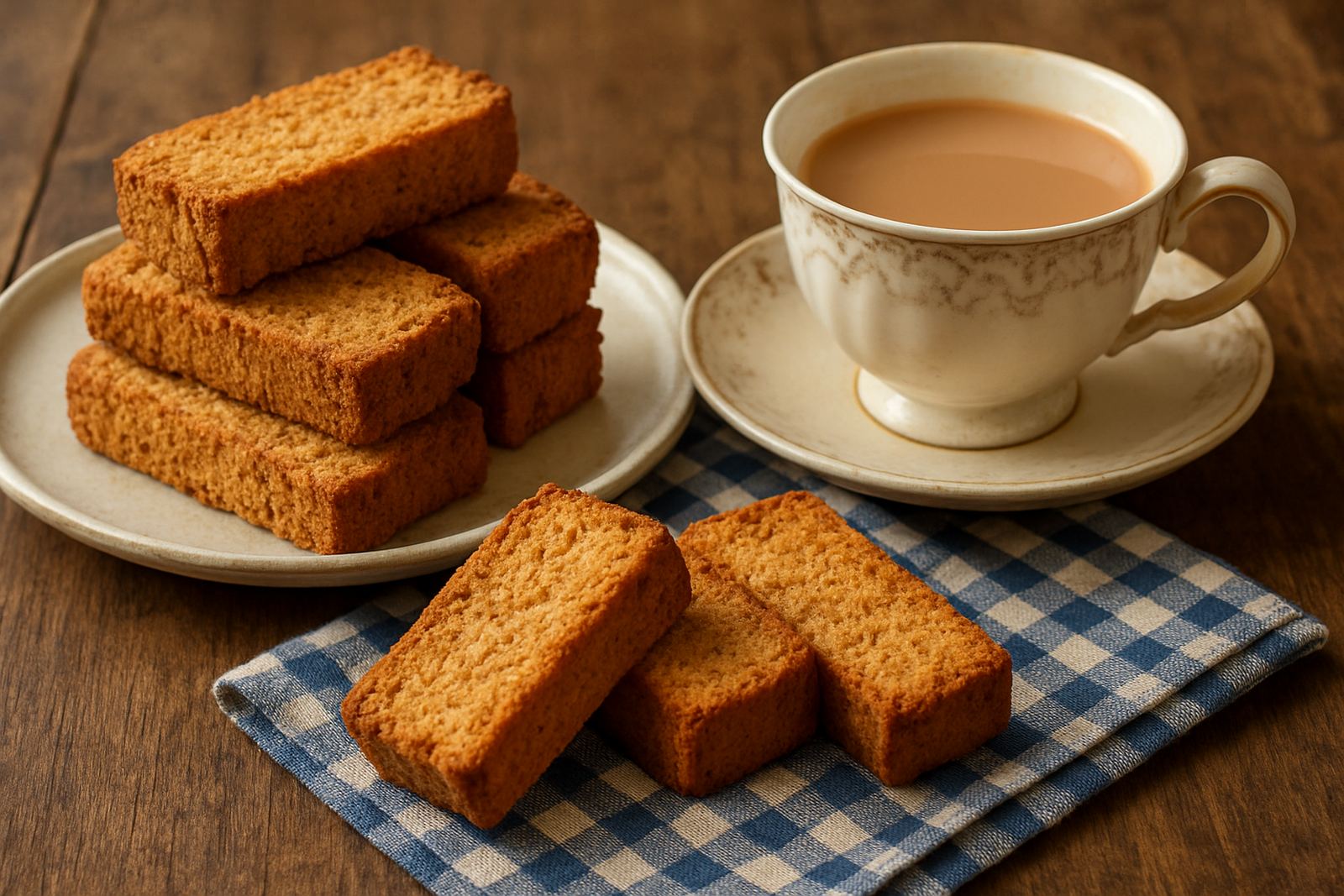
There is also the comfort side of it. A rusk is not trying to be a meal replacement or a complicated snack. It is steady, familiar and easy to enjoy with a mug in hand. That is why they remain a pantry staple in homes from Wellington to Somerset West, especially where guests might arrive unexpectedly and you still want to offer something proper.
What shelf-friendly really means in day-to-day use
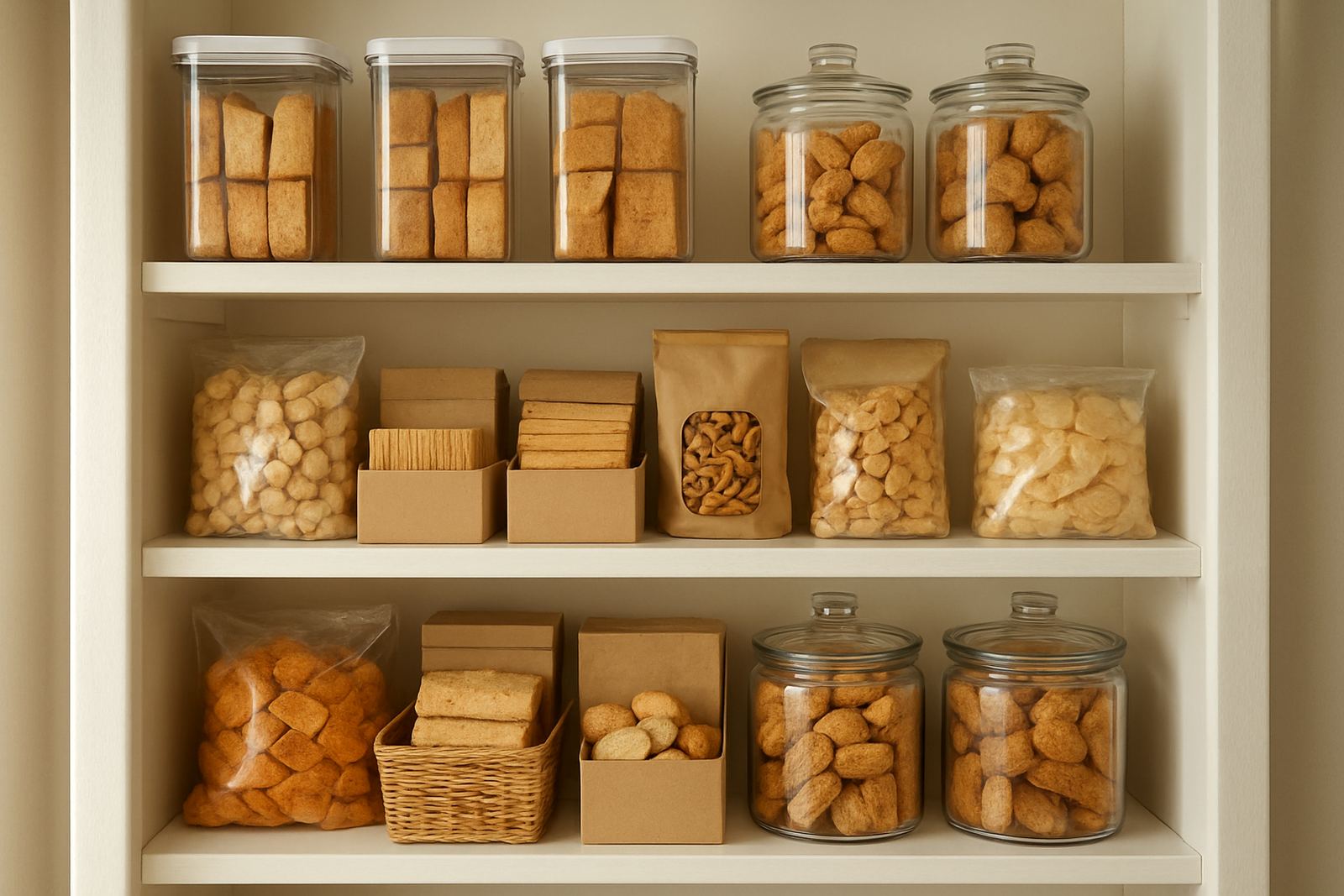
Shelf-friendly snacks are the ones you can store without much planning and still trust later. Rusks fit this well because their dry texture helps them keep their shape and taste. They do best when sealed properly after opening, away from moisture, direct sun and strong kitchen heat. If your kitchen gets humid in summer or near the coast, that bit of care matters more than people think.
For homes in places like Stellenbosch or Durbanville, where a pantry may hold everything from breakfast cereal to baking supplies, rusks are handy because they do not compete for fridge space. They are also easy to pack into lunch bags, care packages and travel containers. A small tin or airtight jar can keep them neat on the counter. That simple habit saves time when everyone is rushing, and it avoids that half-open packet getting stale.
Rusks also suit people who like to plan ahead. If you buy in sensible quantities, you can keep a steady supply for school mornings, weekend visitors or early starts. They are not messy, they do not need cutting, and they are easy to serve with very little prep. That is practical food, not showy food, which is often what households need most.
- Store them in a sealed container after opening
- Keep them away from steam, sun and the stovetop
- Use smaller jars for daily use and keep the rest sealed
- Check date labels and rotate older packs to the front
A good fit for tea rooms, offices and guest spaces
Rusks are not only for home kitchens. They work well in offices, guesthouses, salons, waiting rooms and small hospitality settings where staff need a tidy, dependable snack to offer with tea or coffee. They are neat to serve, they do not crumble as badly as many biscuits, and they are easy to buy in quantities that match your usage.
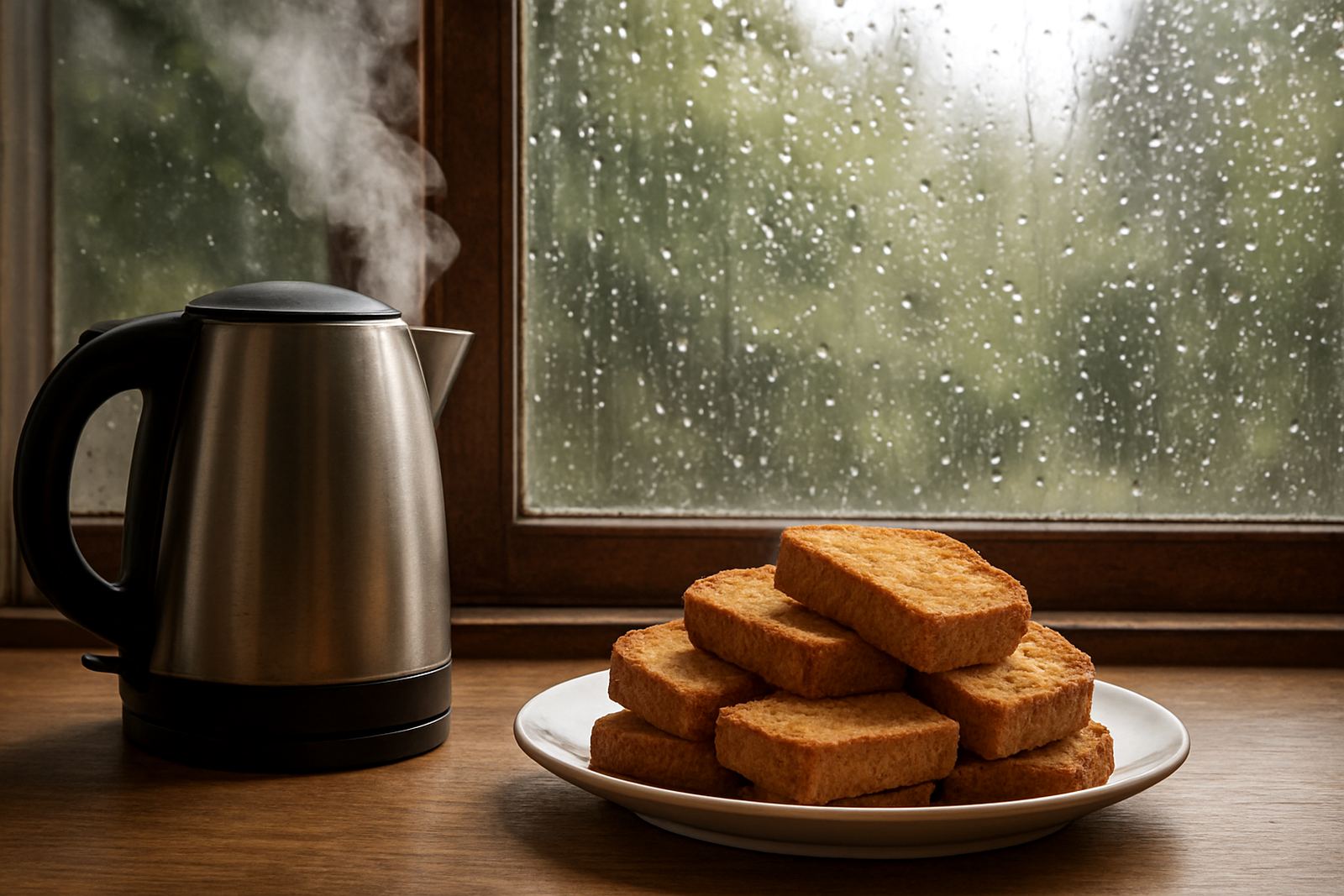
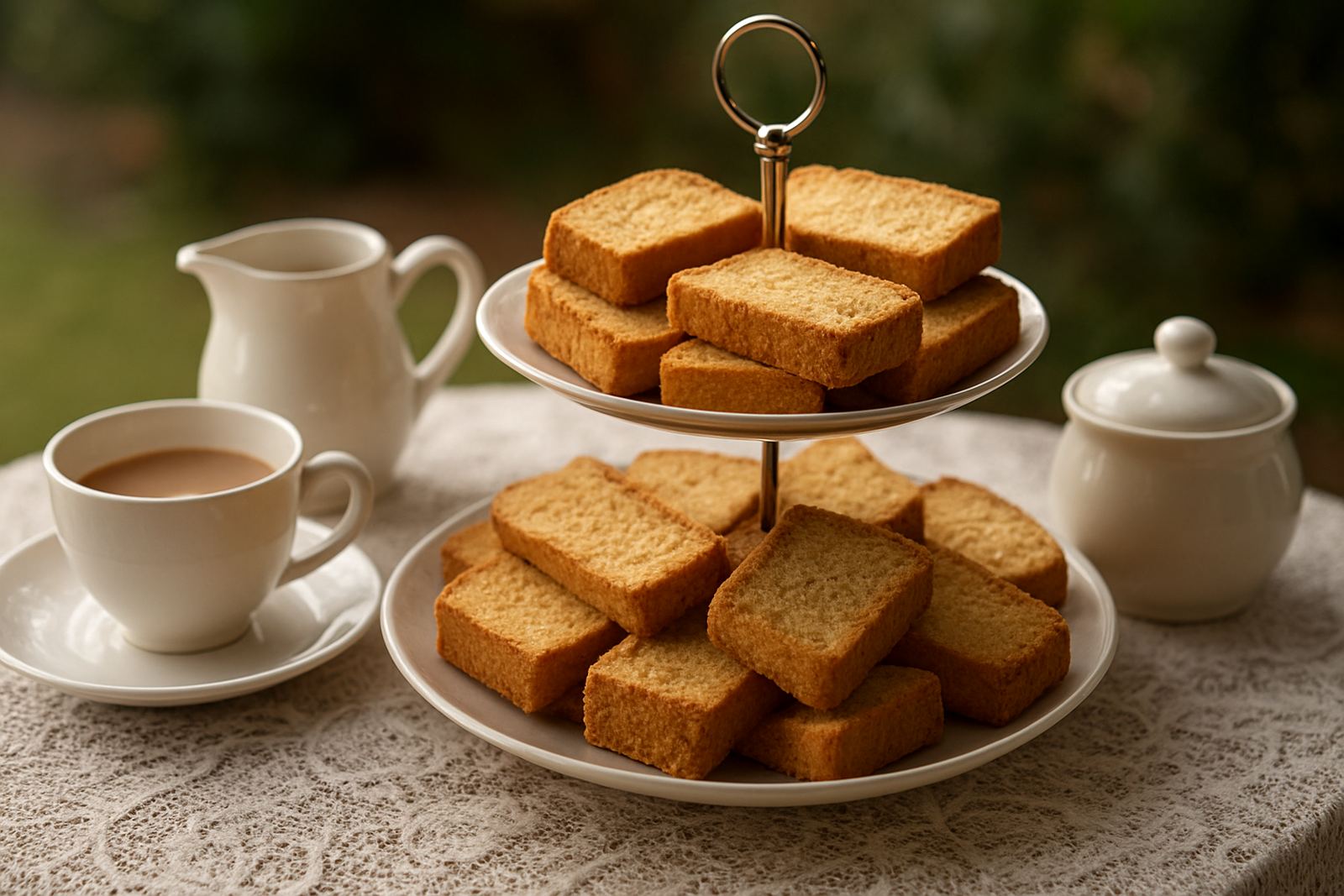
For businesses in the Cape Winelands, presentation still matters, but so does ease. A bowl of rusks beside the kettle or coffee station feels welcoming without needing much effort. In a guest room, they add a local touch that people recognise straight away. In an office, they are often a better choice than items that go soft or melt in warm weather.
If you manage a stock room, shelf-friendly snacks also help with planning. You can keep a few packs in reserve for busy weeks, staff meetings or visitors from out of town. Because rusks store well, you are less likely to waste product. That helps keep costs steady, and in a small operation every rand counts.
- Useful for tea stations and reception areas
- Easy to portion for meetings and visitors
- Suitable for bulk purchase without complicated storage
- Handy for places where fridge space is limited
The value of keeping something familiar on hand
There is a good reason people reach for rusks when the cupboard looks bare. They feel like food you can trust. If breakfast is late, if school lunches have run low, or if guests arrive without warning, a rusk and a hot drink can take the pressure off. It is a small thing, but small things matter at home.
Families often look for snacks that suit different ages too. Adults want something with tea, children want something simple after sport, and older family members may prefer a familiar texture that is easy to bite into after dunking. Rusks cover that middle ground without needing to be soft or heavily processed. They are straightforward and that is part of the appeal.
In many South African homes, pantry staples need to do more than one job. They need to work for breakfast, tea time, travel and those days when the power is out and the meal plan shifts. A shelf-friendly snack has to earn its space. Rusks do that quietly, every day.
Choosing the right pack for your routine
Not every household needs the same size pack or mix. A couple living in Paarl may prefer smaller packs for freshness, while a larger family may choose a regular supply so the tin never runs empty. For event organisers and hospitality teams, sample boxes or custom hampers can help with planning before a bigger order. The point is to match the product to how it will actually be used.
If you want a pantry staple to last, think beyond the packet itself. A tidy storage jar, a dry shelf and a clear rotation routine make a noticeable difference. Once rusks are opened, they should be sealed well again. That keeps them crisp and ready for the next tea break, not soft and forgotten at the back of the cupboard.
For many customers, the appeal is the balance between tradition and convenience. Home-style buttermilk rusks bring that familiar taste many South Africans grew up with, while muesli rusks give a slightly different texture for people who prefer a grainier bite. Both have a place in a practical pantry, and both fit naturally into a routine built around real life.
- Smaller packs suit lighter household use
- Larger supplies help busy homes and shared kitchens
- Sample boxes are useful before ordering for events
- Custom hampers work well for gifts and staff treats
A local pantry habit that still makes sense
In a town like Paarl, where mornings can start early and the day may stretch through school, work and traffic, keeping shelf-friendly snacks in the cupboard is just plain sensible. A tea tin, a jar of rusks and a few spare cups can turn a rushed moment into a proper pause. That is not a luxury, it is good housekeeping.
Rusks also travel well across the Western Cape. Whether you are heading to Franschhoek for a weekend, stopping in Wellington for a visit or sending a care pack to family further afield, they are easy to include and easy to share. They hold up in a bag, in a car and in a box on the shelf, which is exactly why they remain useful year after year.
For households and businesses alike, the case is simple. Shelf-friendly snacks should be dependable, tidy and ready when needed. Rusks tick those boxes without asking for much in return. Keep them dry, keep them sealed, and they will do the rest.