Why small rusk portions work on busy school days
School breaks are short, and children often need something that can be eaten quickly without making a mess. A few rusks in a small container can be a practical choice for the morning break, aftercare, a long taxi ride home, or a sports afternoon when supper is still far off.
Rusks also suit families who want a snack that feels like food, not just sweets. A buttermilk rusk gives a plain, comforting bite with tea, milk or water, while a muesli rusk can feel a little more filling. For parents trying to keep lunchboxes simple, that matters. It means one less panic at 07:10 when the school bag is already at the gate and the shoes are half on.
In Paarl, where many children head off early for school, sport or homework clubs, a steady snack plan can save time. A small rusk portion is easy to portion out on a Sunday night, then grab during the week.
How to pack rusks so they stay neat and fresh
The main trick is to keep portions small and sealed. Rusks travel well, but they do best when packed away from damp lunch items such as fruit with lots of juice or yoghurt tubs that may leak in the bag.
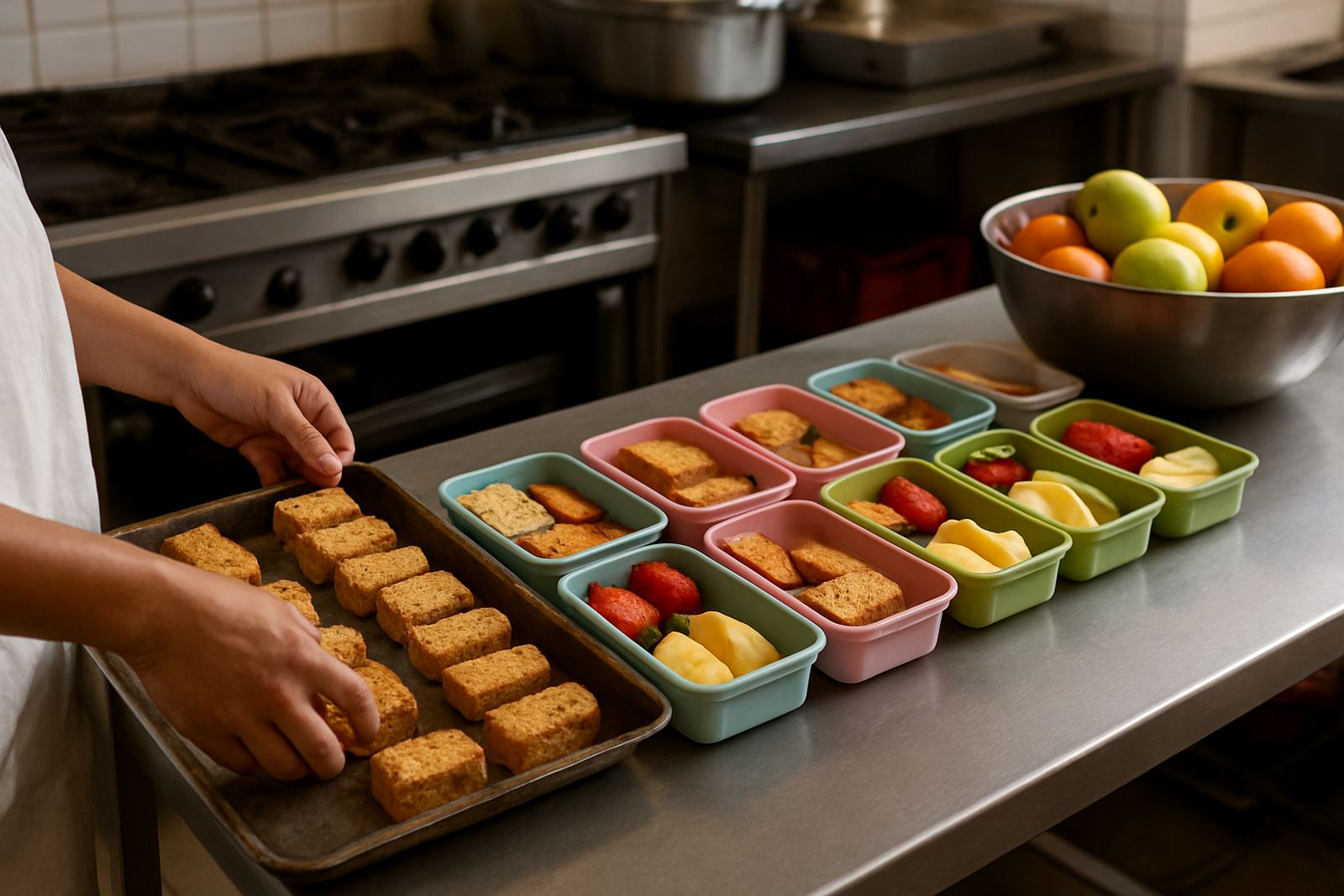
- Use a small clip-top container or a zip-seal bag for two to four rusks per child.
- Keep the portion separate from sandwiches, apples and juice boxes.
- If the school bag sits in the sun, pack the rusks in the main compartment rather than the outer pocket.
- For younger children, break larger rusks into halves so they are easier to manage at break time.
On the coast or in humid weather, rusks can soften if they are left open too long. That is why portioning helps so much. You open only what you need, and the rest stays crisp for the next day or two. It is a small habit but it makes a real difference.
Simple school-break pairings that keep energy steady
Rusks work well with drinks and other plain snacks. If you want to keep your child going until lunch, pair the rusk with something that adds a bit more staying power. The goal is not a large meal, just enough to keep the stomach settled and the mind on schoolwork.
Good everyday pairings include a banana, a boiled egg, a piece of cheese, or a small yoghurt in a cold lunch bag. For older learners, two rusks with a flask of tea or milk can be enough for a mid-morning break before rugby, netball, music practice or study session.
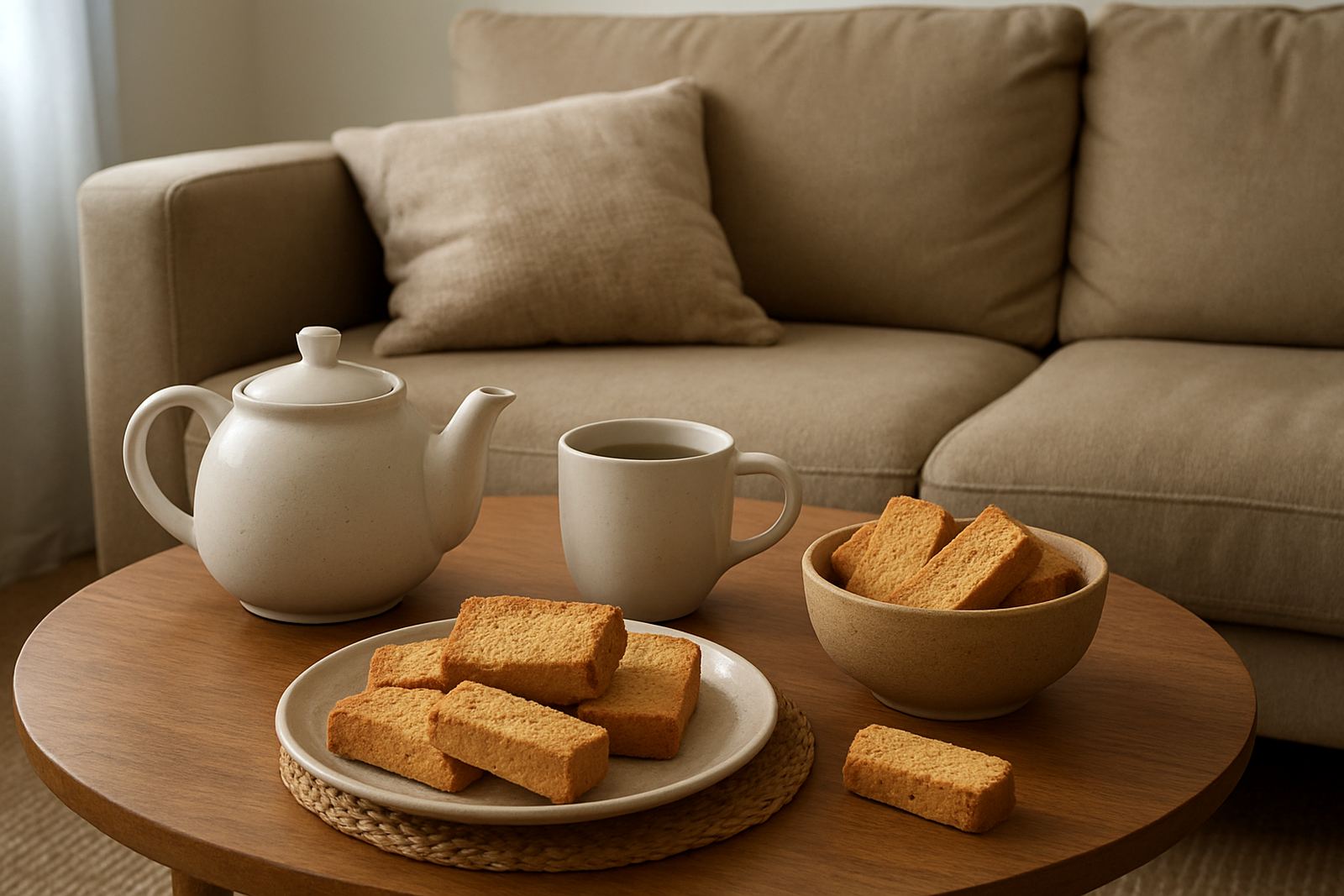
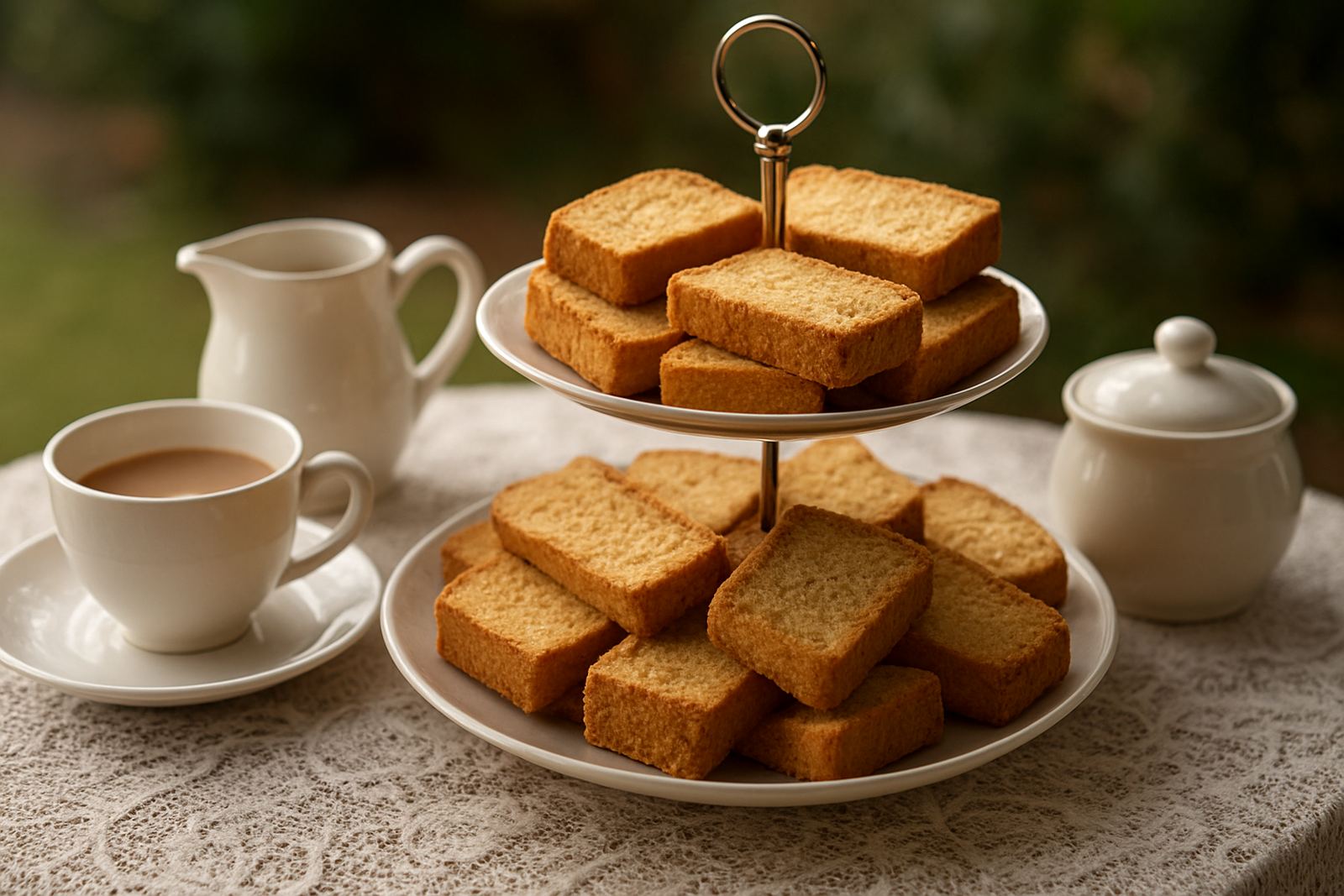
- Buttermilk rusks with plain milk or rooibos tea
- Muesli rusks with a banana or naartjie
- Rusks with cheese cubes for after-school hunger
- Crumbled rusk over yoghurt for a quick spoonable snack
If your child has a long day, think in parts. Breakfast at home, a small break snack, then a more solid lunch later. That pattern often works better than trying to send one huge lunchbox no one finishes.
A practical routine for parents, carers and aftercare teams
Many families do best when school snacks become part of the weekly routine. On Sunday evening, you can set aside a few snack tubs for Monday to Thursday, then top up on Wednesday or Friday. This keeps the morning rush calmer and avoids last-minute baking or shop runs.
Aftercare staff and grandparents also appreciate foods that are easy to hand over. Rusks do not need cutting, heating or special storage. They can sit on a shelf in the kitchen, ready for children arriving back from school or extra lessons. If your child stays for tutoring or music practice, pack a separate portion in the bag so they are not relying on whatever is left in the house.
A local example is a family in Wellington with two children at different schools. One child leaves early for a sports bus, the other only has a short break before homework club. Their solution is simple: each child gets a labelled container with two rusks and one fruit item. It cuts confusion and keeps the snack budget under control.
Choosing the right rusk for different ages
Not every learner needs the same portion. Younger children usually do better with smaller pieces that are easy to hold, while older children often prefer a fuller snack that carries them through a longer school day. Think about appetite, age and how active the child is after school.
For pre-primary and early primary learners, half rusks or smaller broken pieces are often ideal. They are easier to finish in one break and less likely to end up crushed in the bottom of the bag. For older learners, especially those who play sport or travel by taxi from school, a proper two-rusk portion may be better.
It also helps to watch how the child eats during the week. Some children come home starving after athletics, while others only want a light snack before supper. A bit of trial and error will show what works, and there is no need to overcomplicate it.
When school events and fundraisers need easy snack planning
Rusks are useful beyond the ordinary school day. They can support fundraiser tables, choir trips, class outings, sports mornings and teacher appreciation packs. Because they pack and stack well, they are easier to manage than soft snacks that crush or spoil quickly.
Schools in and around Paarl, Stellenbosch and Somerset West often run active calendars, from interschool sport to cultural evenings. For those events, small rusk portions can be added to goodie bags, sold with tea at a stall, or included in thank-you packs for volunteers. They suit a crowd because they are familiar and not too sweet.
For families, the same logic applies at home. If you keep a tin or container with rusk portions ready, you are less likely to reach for costly takeaway snacks on the way to practice. That saves money and keeps the week moving.
Rusk treats do not need to be fancy to be useful. In a packed school routine, simple is usually best.