Why batch size changes the result
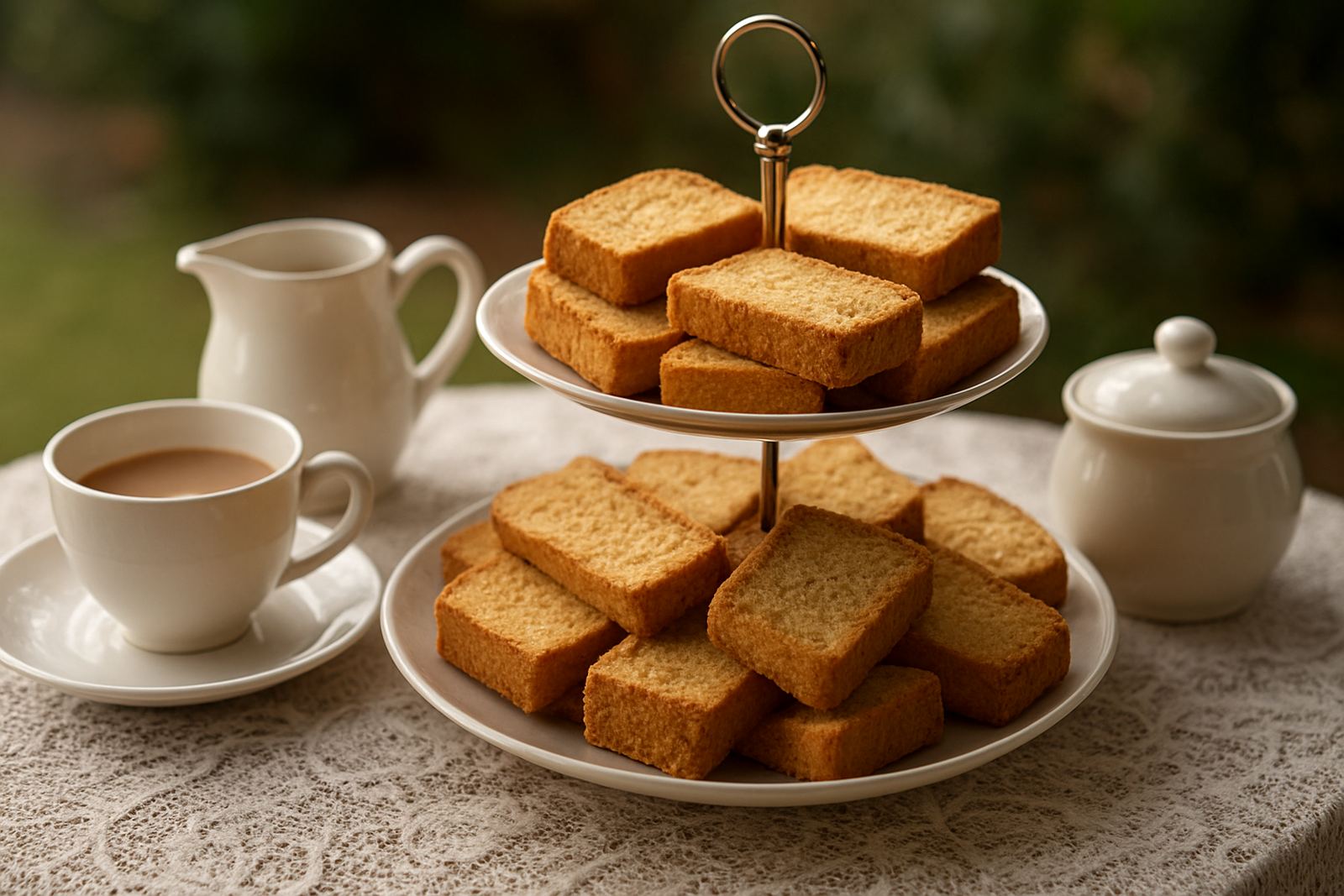
When rusks are baked and packed in smaller runs, the team can keep a closer eye on colour, moisture, breakage, and size. That matters because a rusk is not meant to be soft in the wrong way or dry to the point of crumbling before it reaches the cup. It should have a clean snap, even browning, and enough body to stand up to tea or coffee without falling apart too quickly.
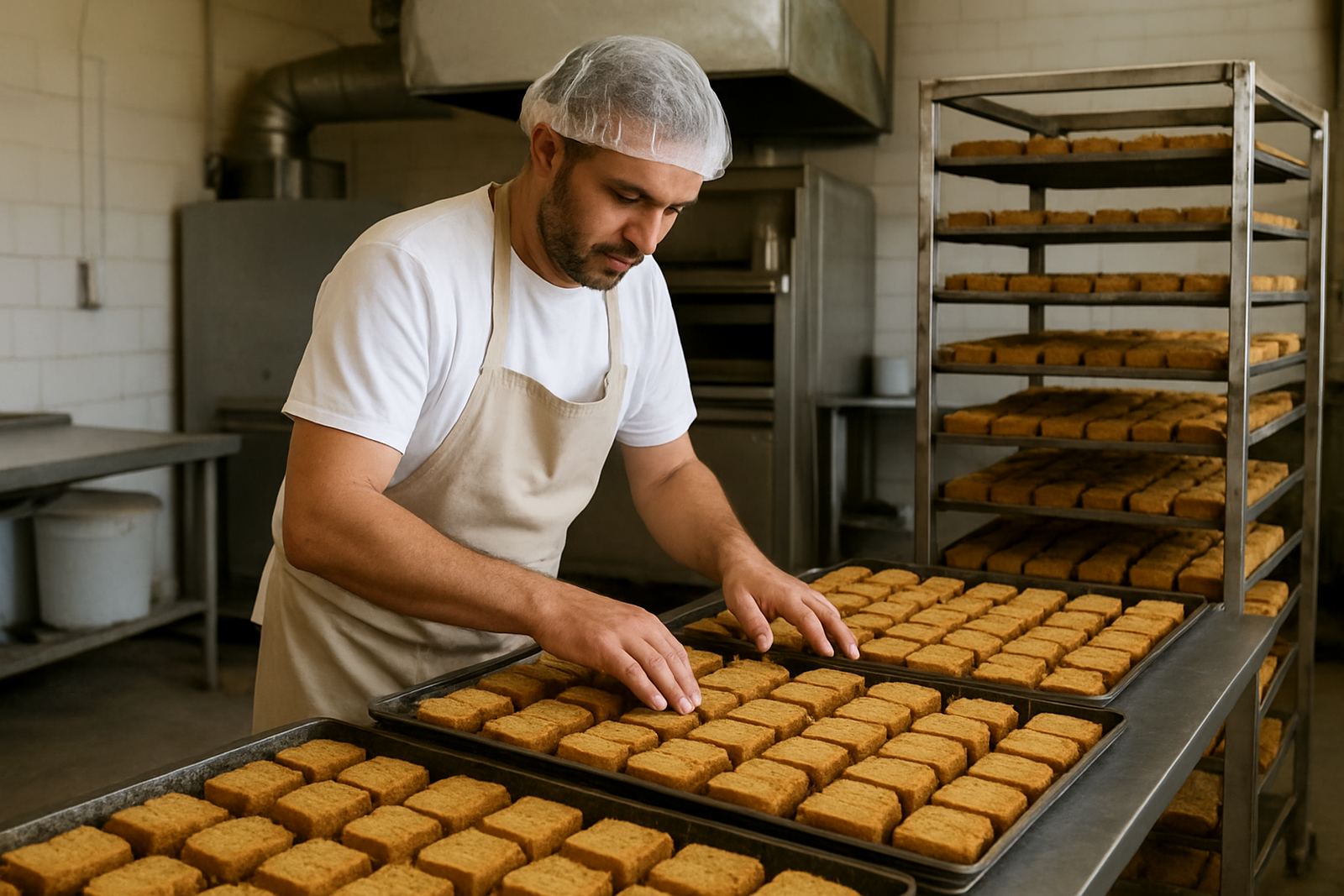
In practical terms, smaller batches help a baker notice when a mix is a little too wet, when oven heat is running high, or when a tray is browning faster on one side. That sort of attention saves the final tray from becoming a mixed lot of lighter and darker pieces, and it helps keep the flavour steady from one pack to the next. The result is simple: fewer surprises, better consistency, and a more home-style finish.
There is also less time between mixing and packing, which can help retain freshness. If a customer opens a packet in Somerset West or receives a wholesale box in Durbanville, they should be getting the same care and texture as someone buying from a stockist in Paarl.
The signs of careful baking you can actually see
Attention shows up before the first bite. A neat pack, whole pieces, and a clean aroma all point to good handling. If the contents look dusty with crumbs or the pieces are chipped at the corners, that often tells you the batch was handled too roughly or packed without enough care. It may seem small but those details add up.
- Even colour across the tray, not pale centres and dark edges.
- Consistent size so the pack does not have a jumble of large and broken pieces.
- Packaging that protects the rusks from crush damage in transport.
- Clear labelling for stock rotation, especially for wholesale supply and hospitality use.
In the Western Cape, this becomes even more important because storage conditions can shift quickly. A pack kept too long in warm, humid air can lose its snap, while one packed properly and stored away from heat holds up far better. That is why small batch care is as much about packing as it is about baking. It is the whole chain that matters.
Packing that protects freshness on the road
Nationwide delivery puts extra pressure on every packet. A box may travel from Paarl to Polokwane, East London, or a farm stall in the Cape Winelands and still need to arrive neat. Good packing protects the product from knocks, temperature changes, and the odd delay in transit. It is not fancy work, it is careful work.
For an item like rusks, the inner pack should close properly, and the outer carton should fit the contents without too much movement. Too much space means breakage. Too tight and the pressure can crack the pieces before the box has even left the loading area. During load-shedding, packing teams also need a plan for timing and storage so product is not left sitting in the wrong place for too long. A bakery that manages this well is usually one that thinks ahead.
- Use cartons that match the order size closely.
- Keep packs away from direct sun in loading areas.
- Stack carefully so the bottom boxes do not carry too much weight.
- Rotate stock first in, first out to keep older packs moving.
These are ordinary habits, but they prevent waste and keep the product in good condition by the time it reaches the customer. That’s where small batch care becomes visible, not in a slogan, but in the state of the box when it opens.
A Paarl example: what care looks like in real life
Take a busy week in Paarl. Orders may come in for household packs, sample boxes, and a few wholesale cartons for a coffee counter in Stellenbosch. At the same time, a corporate gift order could be heading to Franschhoek, while a fundraiser package needs to go out to Wellington. Each order needs different handling, yet the same standard.
A thoughtful production team will check the baking line, confirm the order notes, and pack the items so they suit their destination. A hospitality box may need neat, consistent pieces for serving baskets. A fundraiser order may need clear counts and strong outer cartons. A subscription pack may need extra protection because it is going straight from the courier to someone’s kitchen counter. It sounds simple, but these details save time later.
That level of care also helps local stockists. If a pack lands on a shelf in Somerset West or Durbanville looking sound and feeling fresh, it gives the retailer less sorting to do and the customer more confidence when buying. In a town like Paarl, where people know what real home baking should taste like, that matters quite a bit.
What wholesale buyers should ask about
Wholesale customers often focus on price and volume first, but the better question is whether the supplier can keep the product steady from one week to the next. Small batch care helps here too, because it usually means the bakery can notice issues early and keep communication open. If a café, guesthouse, or deli is buying regularly, they need the same pack quality every time.
Before placing a recurring order, it helps to ask a few practical questions about packing, shelf life, and stock rotation. Good suppliers answer clearly and without fuss. They should know which pack suits retail shelves, which is better for catering use, and how delivery works to different parts of the country. If they also manage custom hampers or sample boxes, they should explain how those are packed differently from standard bulk orders.
- How are packs protected against breakage during delivery?
- What is the best storage advice for warm kitchens or humid coastal areas?
- Can the supplier handle mixed orders for retail and gifting?
- How far ahead should recurring wholesale orders be placed?
These questions are practical, not picky. They help buyers choose a partner who understands what happens after the oven door closes.
Why the small details still matter at home
Most people meet a product like this at home first. They open a packet, pour tea, and notice whether the pieces are whole, fresh, and well baked. That first impression tells them a lot. If the texture is good and the flavour feels steady, they are more likely to reorder, share a box with family, or send a pack as a gift.
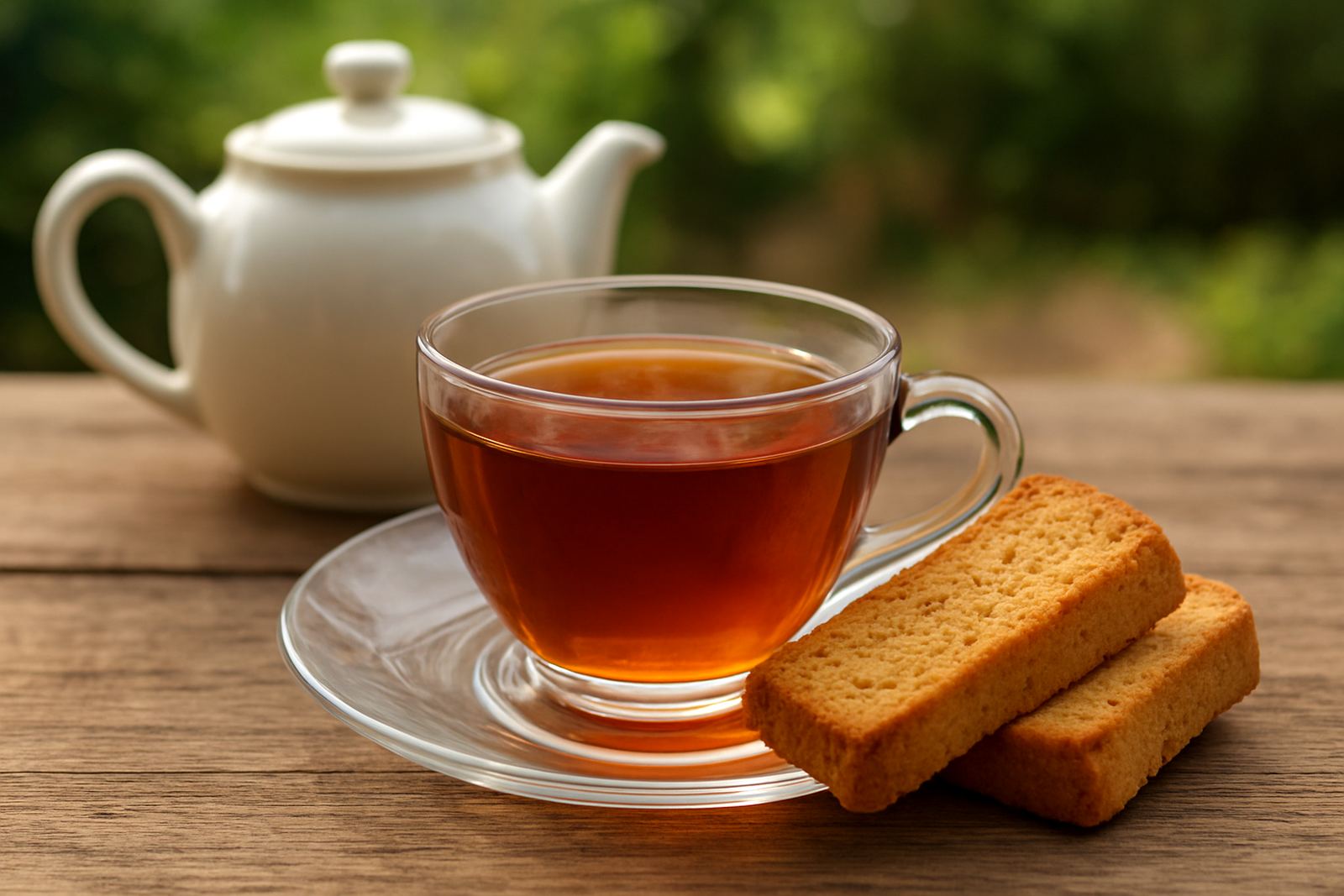
Small batch care matters because it respects that moment. It protects the simple things: the snap when you break a piece, the smell when the packet opens, and the way the rusk holds up in the mug. Those are not small things to the person eating it. They are the whole experience.
When baking and packing are done with attention, the result is easy to trust. And trust, once earned, is what keeps a product moving from Paarl to the rest of South Africa without losing what made it worth buying in the first place.