Why the tea table stays in memory
Most families do not remember every meal in detail, but they do remember the tea table. It is where someone slid over a plate after school, where a neighbour stayed a little longer than planned, and where a quiet morning became a proper visit. That is why tea tables matter so much in South African homes, they carry the ordinary moments that later feel important.
In many households, tea time happens between jobs, after church, after a funeral, or just before the school run. It is not formal, and that is the point. A cup of tea, a rusk, and a few minutes of conversation can say more than a long speech ever will. Those routines build family memory in a way that feels natural, not arranged.
In Paarl, where early mornings can be cool and afternoons warm, tea often becomes the pause that brings everyone into the kitchen. A tin of rusks on the shelf, a kettle on, and a few chairs pulled closer to the table are enough to make people linger. That is how homely habits become part of family history.
How a simple rusk turns tea into a ritual
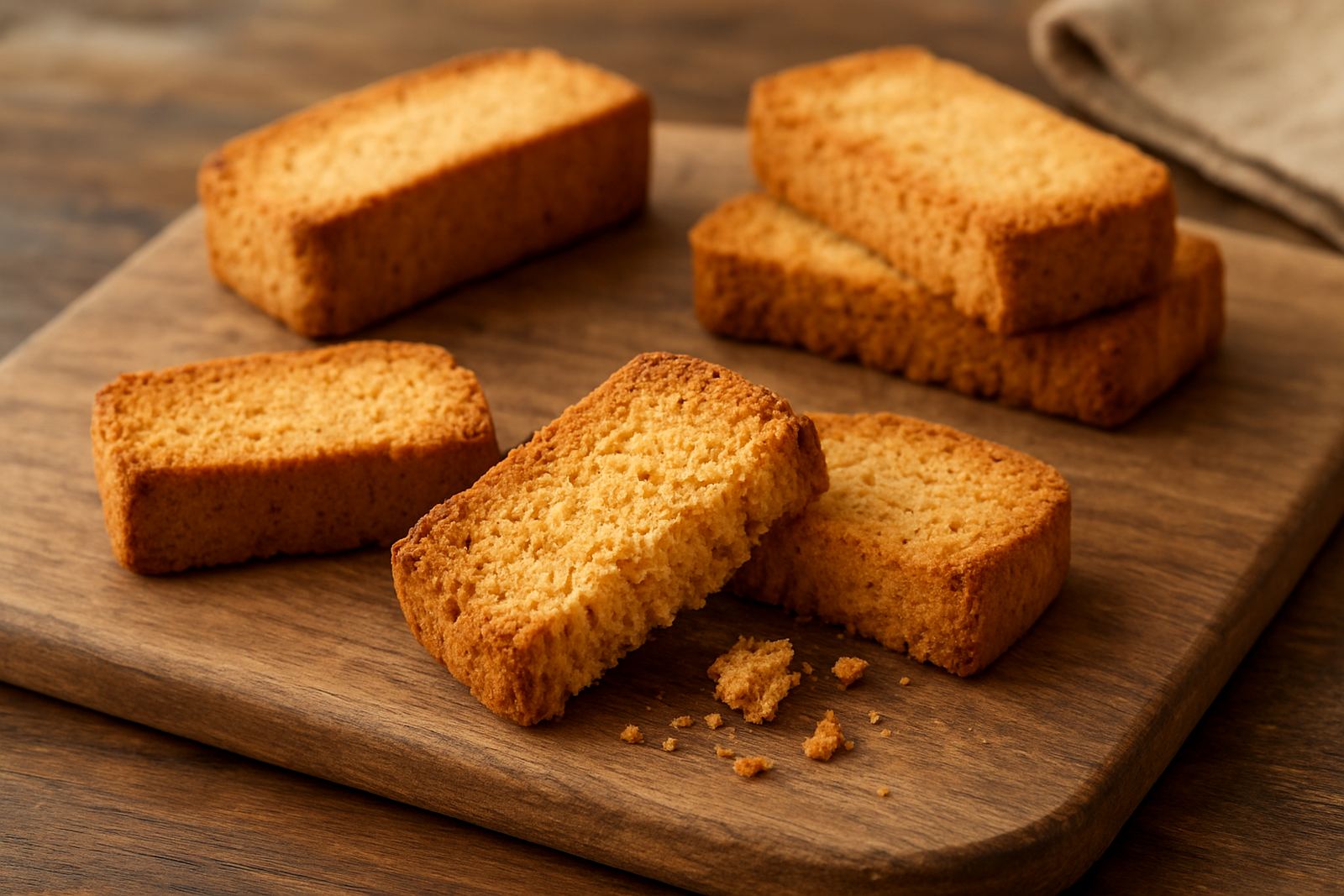
A rusk does more than fill a plate. It gives tea time a rhythm. You dip, wait, and take that first bite while the tea cools. It slows people down just enough to talk properly. That small pause can be the difference between a rushed drink and a memory people carry for years.
Buttermilk rusks bring that soft, familiar comfort many families look for, while muesli rusks add a more textured bite for longer breakfasts and morning meetings. Both fit the same idea, practical food that does not ask for fuss. They keep well, travel well, and suit the sort of tea table that has extra hands reaching across it.
- Keep a tin or jar within easy reach so tea time happens often, not only on special days.
- Offer two rusk choices if you can, one plain and one with more texture.
- Use a shared plate instead of individual wrapping when family is gathered at home.
- Set out tea things before the kettle boils so people can sit as soon as the water is ready.
Little habits like these help make tea time feel familiar. Once the routine is there, people begin to expect it, and that expectation becomes part of the memory.
The family stories that grow around the plate
Many of us remember a specific person by what they served with tea. A grandmother who always counted rusks into a bowl. An uncle who dipped his twice and claimed that was the proper way. A mother who kept a few extras for unexpected visitors. These small details stay with us because they repeat, and repetition is what memory likes.
Tea tables also give children a place to hear the stories adults do not always tell in the same way elsewhere. A cousin asks who baked the first batch. Someone explains why a recipe was changed. Another person remembers the house before the extension, or the farm kitchen before the new table was bought. The plate in front of them becomes a prompt for older stories.
In time, those stories get tied to taste. A family may not remember the exact year a recipe began, but they will remember the smell, the crunch, and the sound of cups being set down. That is why tea table memories last so long, they are attached to ordinary things, and ordinary things are what families use every day.
A Paarl example: winter mornings, load shedding, and one steady table
In Paarl, winter mornings can start before the sun has properly warmed the valley. If load shedding hits during the school rush, the tea table often becomes the centre of the house. The kettle is boiled while there is power, the rusks are placed on a dish, and everyone gathers for a quick pause before the day begins.
That kind of morning is not fancy, but it is memorable. Parents check homework, children warm their hands around mugs, and someone reminds the rest of the house about the keys or lunchboxes. It is in these practical moments that the tea table becomes part of community memory too, because neighbours, cousins, and friends often pass through the same home more than once.
For families in Paarl, Wellington, Franschhoek, Stellenbosch, Somerset West, and Durbanville, the tea table is often the place where people catch up after a market visit, a sports match, or a church service. It is not about impressing anyone. It is about making room, even if only for 15 minutes. That habit can carry through generations.
Practical ways to make tea time more meaningful
If you want tea table memories to last, you do not need a special occasion. You need a repeatable habit. Keep the tea things easy to reach. Choose a regular time once or twice a week. Let children help set the table, even if the cups do not match perfectly. The memory comes from the pattern, not the polish.
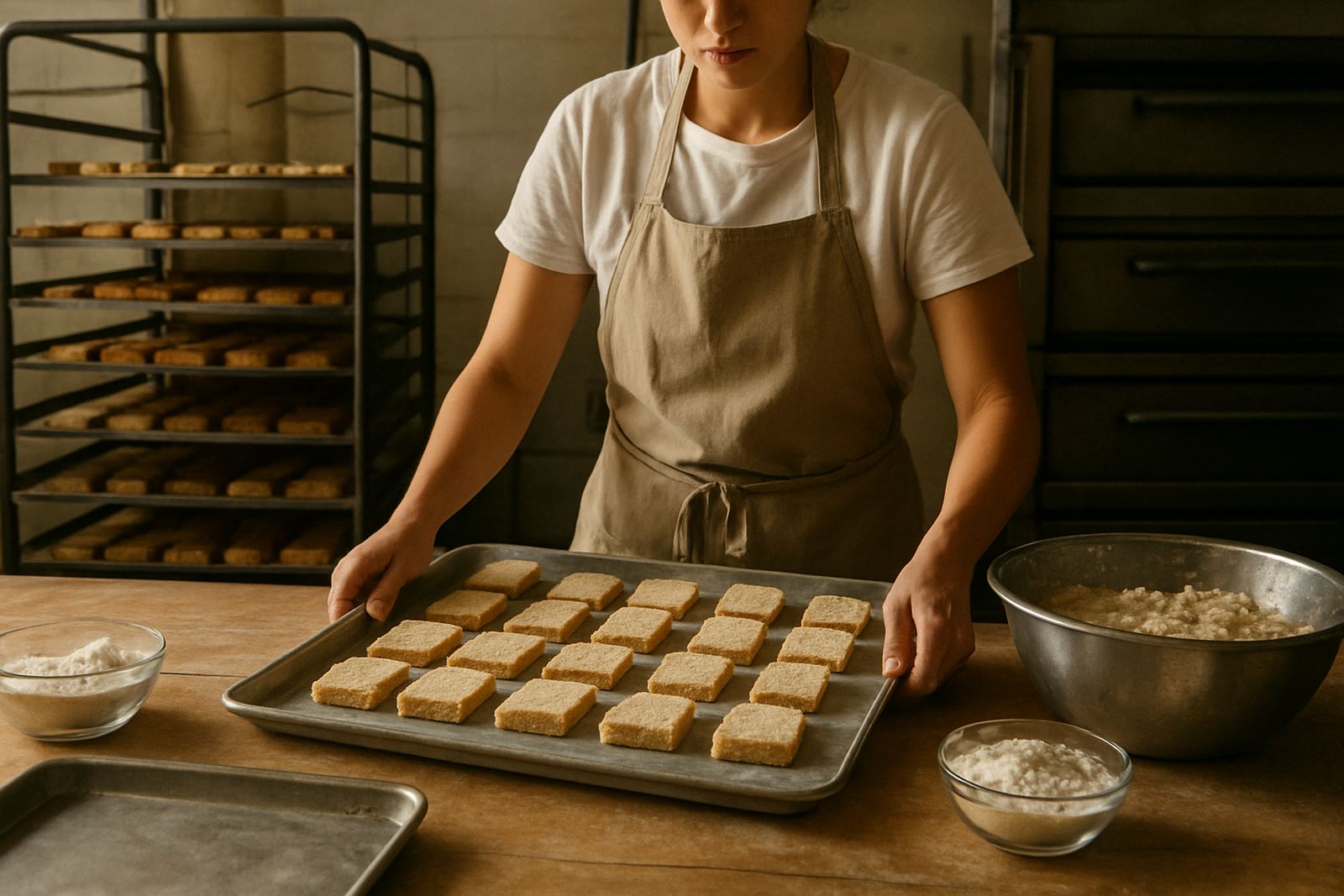
It also helps to keep food simple enough that people can join in without planning. Rusks work well because they do not require last-minute baking or much preparation. They fit early mornings, afternoon breaks, and late visits when you want something comforting but not heavy.
- Keep a backup tin for guests, especially during school holidays or busy weekends.
- Pair tea with a short conversation starter, such as asking about the week or the weather in the orchard.
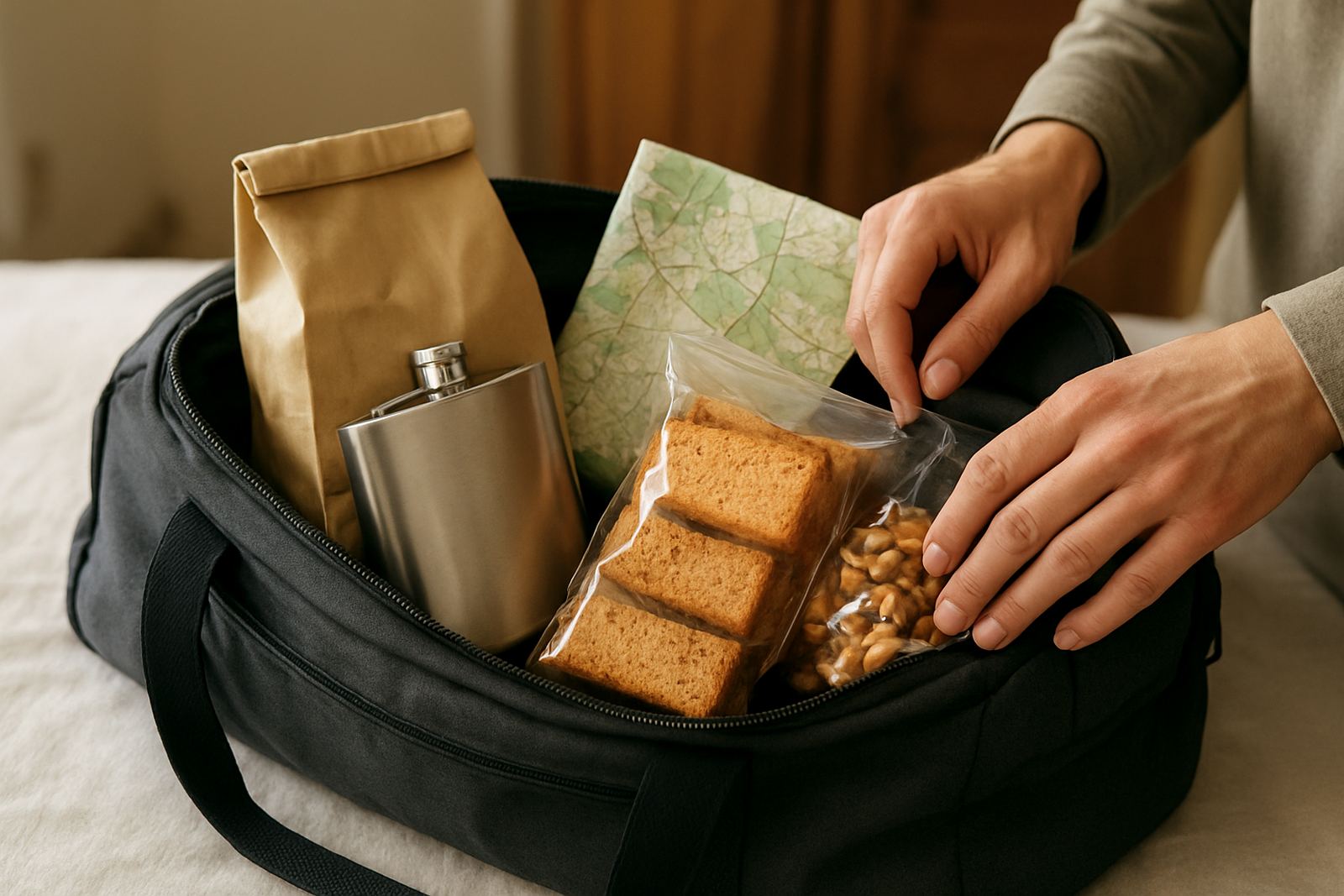
- If electricity is uncertain, boil water early and store it in a vacuum flask so tea time still happens.
- For coastal homes with humidity, keep rusks sealed so they stay crisp longer.
These small steps may seem ordinary, yet they are what make the tea table dependable. Dependable routines are the ones people remember most.
When tea tables become community tables
A good tea table does not only belong to one household. It can become the place where school parents meet, where fundraising decisions get made, or where relatives from different towns finally catch up. In South African life, many important conversations happen with a cup in hand and a plate in the middle of the table.
That is why tea tables matter at fundraisers, office gatherings, and hospitality settings too. When the food is familiar, people relax faster. They talk more freely, and they stay longer. A simple rusk can do a lot of work in that setting. It gives the gathering a local feel without trying too hard.
For families hosting birthdays, memorial mornings, farm gatherings, or small work functions, the best advice is to keep things practical. Have enough cups, enough milk, and enough food that people can take one more if they want it. A tea table is not about excess, it is about welcome. That is often what people remember most.
Keeping the memory going from one generation to the next
Tea table memories are built one visit at a time. A child who grows up seeing the same plate of rusks on the table learns that people matter enough to stop and sit together. Later, that child may carry the habit into a flat, a first home, or a family kitchen of their own. The setting may change, but the feeling stays the same.
If you want to pass that feeling on, keep the custom alive in practical ways. Let the young ones pour the tea. Let grandparents choose the song, the story, or the seating. Keep the recipe simple enough to repeat and the gathering easy enough to enjoy. Traditions last when they are easy to keep, not when they are perfect.
In the end, a tea table memory is really a shared memory. It belongs to the person who baked, the one who poured, and the one who stayed for one more cup. That is why a humble rusk can mean more than a snack. It can be the small thing that helps a family remember itself.