The right pack size starts with how you actually eat rusks
Some homes go through a packet in a few days, while others keep one in the tin for a month or more. That is why pack size matters. If you drink tea in the early morning before the school run, or you keep rusks at your braai area for guests, your needs are different from a small flat where snacks must stay fresh between a few people.
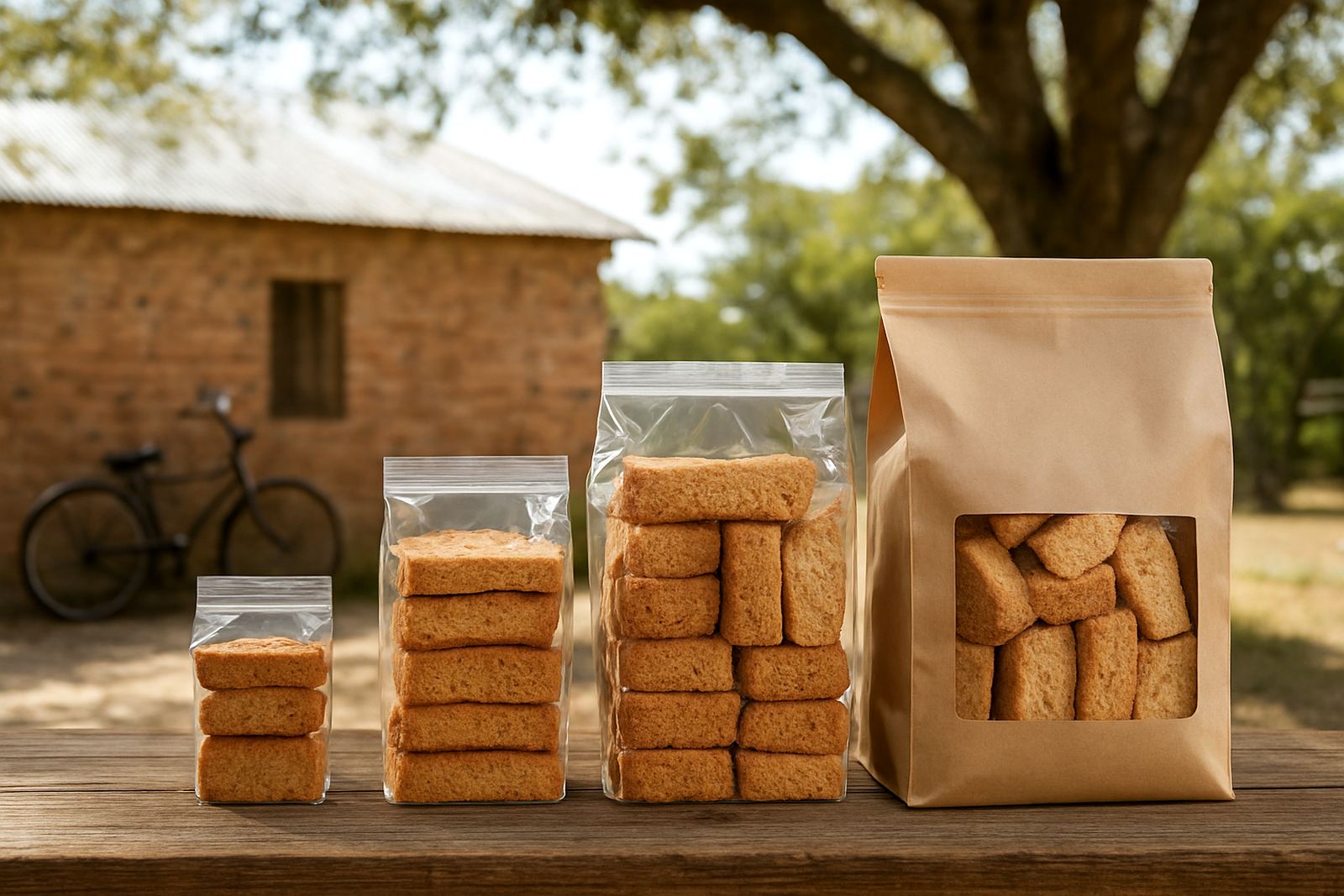
A larger pack usually gives better value per rusk, but only if it gets finished in time. A smaller pack suits lighter households, people who like to try a flavour first, or anyone watching kitchen storage. In the Western Cape, where cool coastal mornings and busy weekends are common, many buyers like to keep one pack for everyday use and another tucked away for visitors. That way the rusks stay crisp and dont sit open too long.
Think about how often you shop, how many people snack at once, and whether rusks are breakfast, a tea-time bite, or something you send in lunch bags. Those simple habits should guide the size, not just the sticker price.
Freshness, storage and the local climate matter
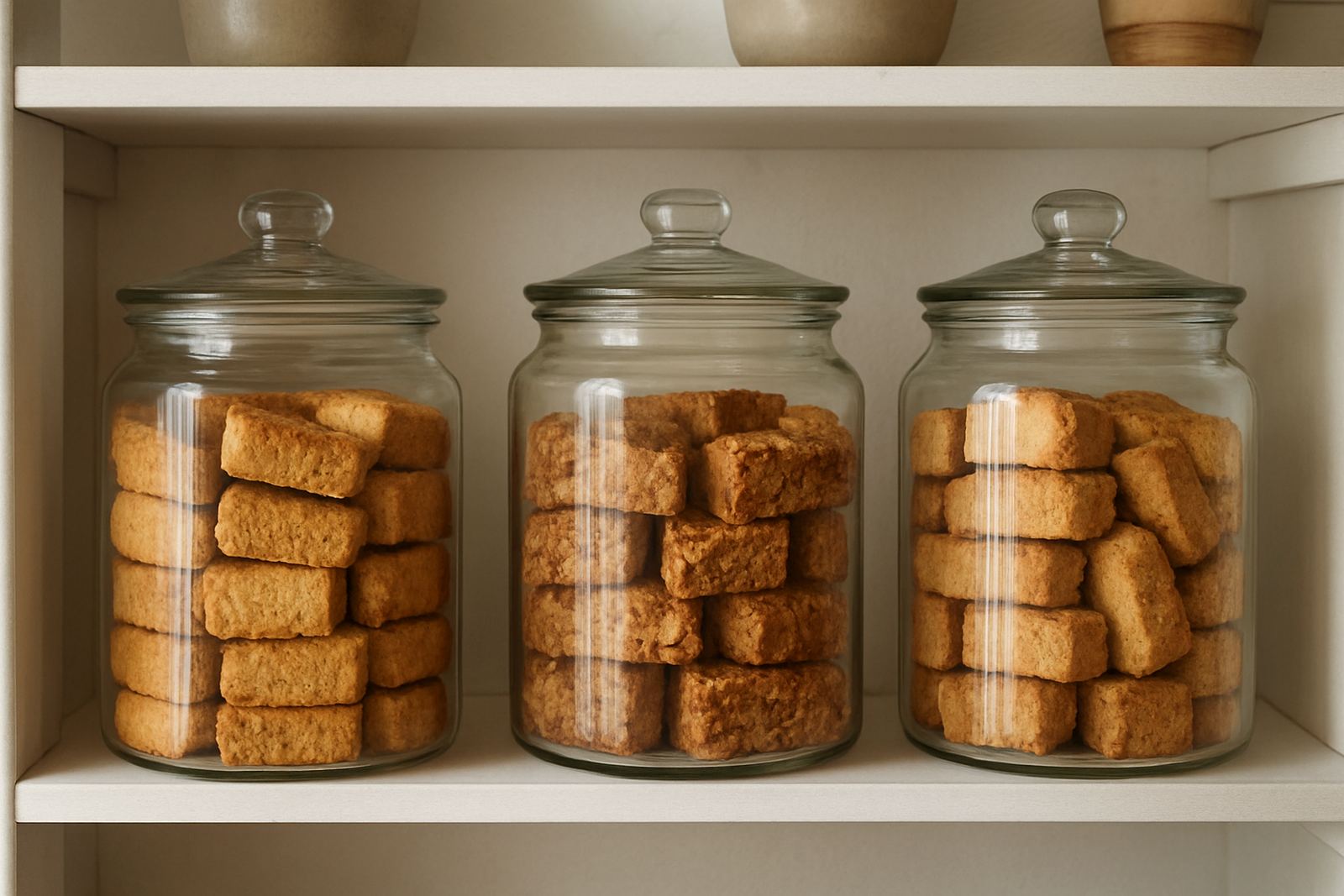
Rusks keep well when stored properly, but pack size still affects freshness once opened. A big pack opened by one or two people can sit for too long, especially in humid conditions or when the container is not sealed tightly. In coastal areas this matters even more. Families in Somerset West or Stellenbosch may notice a difference during wetter months, while homes closer to the sea often need to be extra careful with airtight tins or clip seal bags.
For smaller households, a medium pack can be the sweet spot. You get enough rusks to feel stocked up, but not so many that the last few pieces lose their bite. For larger families or shared offices, a bigger pack is practical because it reduces repeat buying and keeps the tea station full. During load shedding, many households also prefer to plan their pantry better, and a sensible pack size helps with that. If you know your stock will last a week or two, you can avoid rushed top-up shopping.
- Keep opened rusks in an airtight tin or container
- Store them in a cool dry cupboard away from the stove
- Choose smaller packs if your household snacks slowly
- Choose larger packs if you host often or buy for several people
Value per piece is not the same as value for your home
People often look only at the total price of a pack, but that does not tell the full story. A bigger box may cost more upfront, yet work out cheaper per rusk. That is useful for busy homes, stokvel purchases, guest houses and staff rooms. Still, the cheapest pack on paper is not always the best buy if half of it goes stale or gets forgotten at the back of the cupboard.
A simple way to judge value is to ask three questions: how quickly will we finish it, where will we store it, and will everyone enjoy the same flavour. If the answer is yes to all three, go bigger. If not, a smaller pack gives better real world value. This is especially helpful for households with mixed tastes. One person may prefer buttermilk rusks for everyday dipping, while another only reaches for muesli after a gym session or early work shift.
Pack size also helps when managing a food budget. Buying fewer, better planned packs can cut waste and reduce those extra trips to the shop that add up over a month. It is a practical choice, not just a buying habit.
Choose smaller packs for trials, travel and gifting
Smaller pack sizes are ideal when you want convenience more than volume. They are easier to pack into a weekend bag, a work lunch box, or a gift hamper for a neighbour in Paarl or a customer in Durbanville. If you are introducing rusks to someone for the first time, a small pack feels friendly and low risk. It lets them taste the product without committing to a full stock-up.
They also suit corporate gifts and event orders where presentation matters. A neat smaller pack is easier to combine with coffee, jam or honey in a hamper. For weddings, retreats and conference welcome packs, a tidy pack size is easier for organisers to count and distribute. It also reduces spoilage if not every guest eats the snack straight away.
- Ideal for first time buyers who want to try a flavour
- Handy for travel, gift boxes and event welcome packs
- Useful when cupboard space is limited
- Better for one or two people who snack lightly
Larger packs work best for families, offices and hospitality
When rusks are part of everyday life, larger packs make sense. A family with teenagers can move through stock quickly, and an office tea station may need a pack that lasts through the week. Guest houses, lodges and small cafés also need reliable supply so the jar never looks empty. In these cases, bulk buying saves time and often lowers the cost per serving.
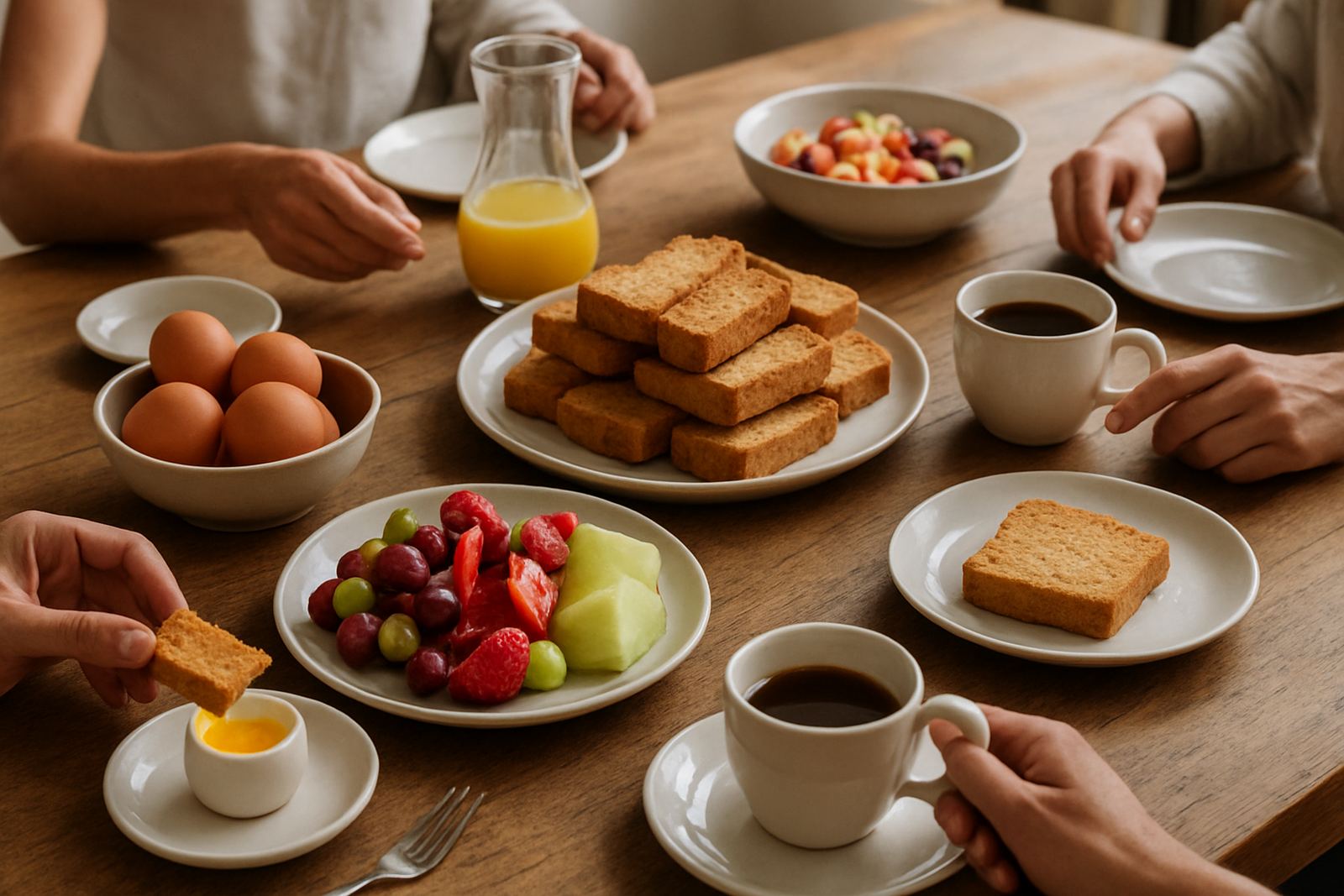
For hospitality supply, pack size must match turnover. A guest house in Franschhoek with a few rooms may only need medium packs for breakfast baskets, while a bigger property serving many visitors needs larger cartons and scheduled replenishment. Wholesale customers should think about storage space too. If packs arrive once a month, they need to fit in a clean dry storeroom and remain easy to count. Good stock control matters, especially when you are serving several tables a day and dont want last minute shortages.
Larger packs are also useful for fundraising and subscription packs. They help organisers keep pricing simple and make it easier to plan deliveries across the Western Cape and further afield.
A Paarl example: matching pack size to the week ahead
Take a typical family in Paarl. Two adults, two children, school mornings, sport practice, and grandparents popping in on Sunday. A small pack may disappear before Friday, while a huge carton might be too much unless there are regular visitors. In that case, a medium family pack is often the practical choice. It supports weekday tea breaks, lasts through the first part of the week, and still feels fresh by the weekend.
Now compare that with a local guest house preparing breakfast trays for several rooms. There, larger packs or repeated wholesale deliveries make more sense because the product is used in a predictable way. The same logic applies to farm offices, guest cottages and church fundraisers. The right pack size is the one that matches the pace of use, storage space and buying pattern. That is the real measure of convenience, not just the number on the label.
When you think this way, buying rusks becomes easier. You are not just buying a snack, you are planning for how your home or business actually works.
Simple rule for choosing your next pack
If you want a quick rule, use this one: buy small if you want trial, travel or a gift, medium if you have a modest household, and large if you feed many people or buy for business. That rule is not fancy, but it is reliable. It helps you avoid waste, keep rusks crisp, and spend your money where it matters.
For regular buyers, consistency also helps. Once you know how long a pack lasts in your home, ordering becomes much simpler. You can plan around payday, school holidays, visits from family and long weekends. That is why pack size matters so much. It turns a simple pantry item into something that fits your routine instead of disrupting it.
Whether you are buying for a kitchen in Paarl, a stockroom in Somerset West, or a hospitality tray in Stellenbosch, the best pack size is the one that makes everyday life easier.