Start with one clear anchor on the table
Brunch works best when one or two items do the heavy lifting and everything else supports them. Rusks are a simple anchor because they do not need much fuss, they suit tea and coffee, and they hold up well if guests arrive a little late. That is handy for South African mornings when the braai is heating, the kettle is boiling, and someone is still looking for the honey.
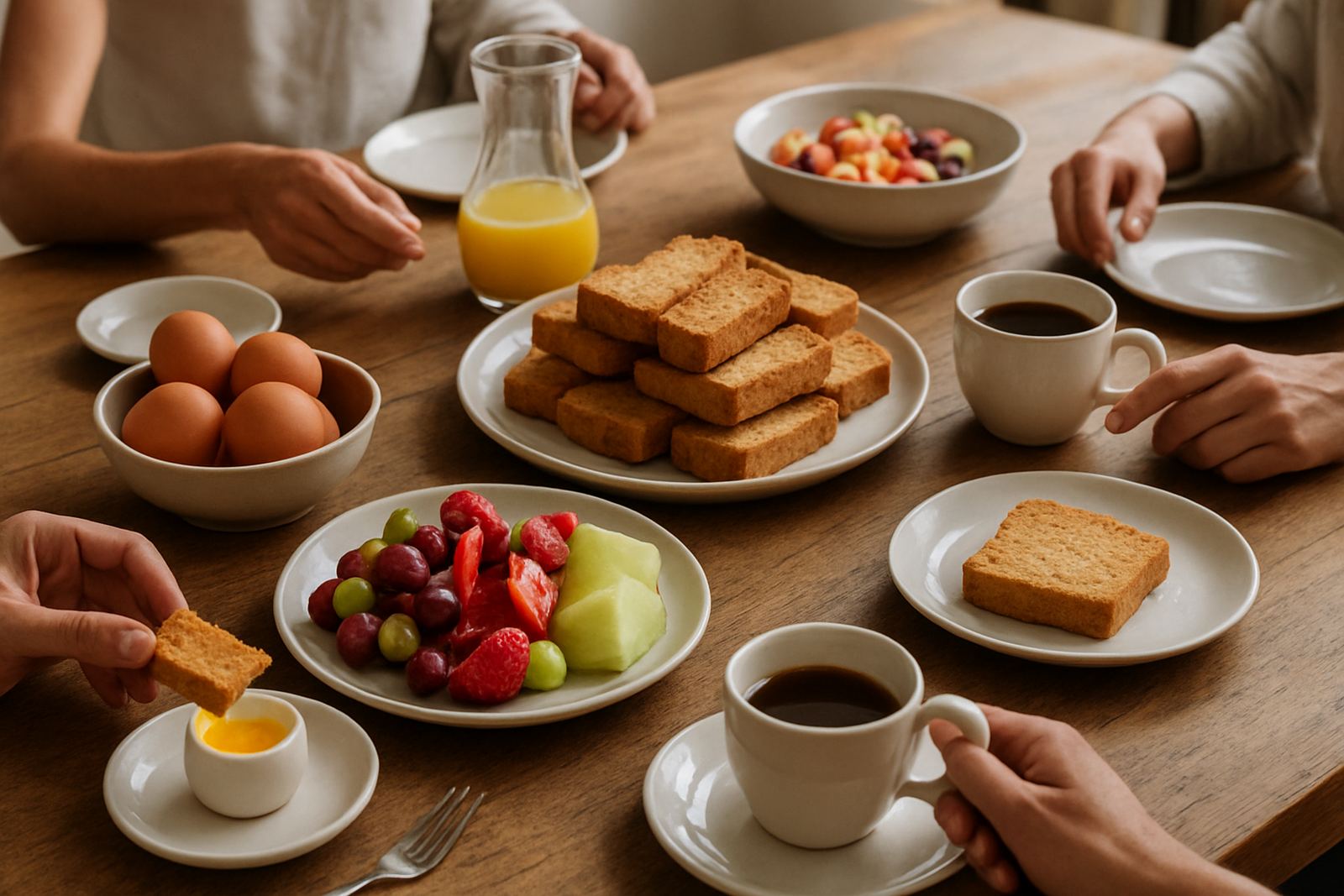
Keep the table easy to move around. A loaf of butter, a bowl of fruit, a plate of eggs or savoury tart, and a tin of rusks is usually enough. You do not need twelve dishes. In many Paarl homes, especially when family comes in from Wellington or Stellenbosch, the relaxed table is the one people remember most because it feels welcoming without trying too hard.
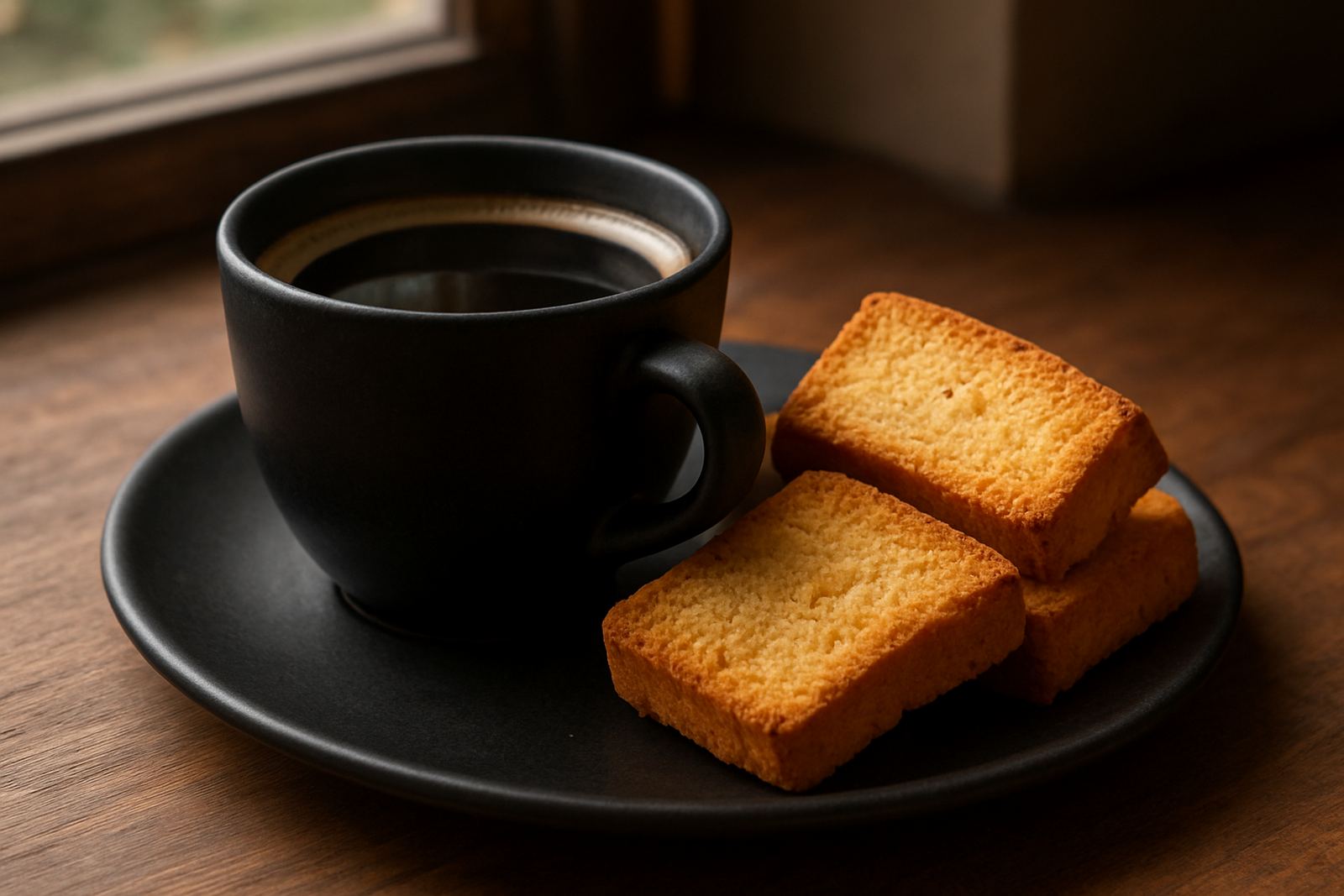
Choose a mix of textures. Soft fruit, warm savoury food, and crisp rusks give the table balance. If you are serving muesli rusks, they bring a fuller bite next to lighter items. Buttermilk rusks suit a classic tea tray and sit well beside jam or butter, and they work just as well after a late breakfast, nje.
Build a spread that covers sweet and savoury
A balanced brunch should give guests a few choices without turning into a buffet that needs a steward. Aim for one savoury centre, one fresh item, one sweet element, and one tea or coffee option. That keeps the meal easy to manage, even if you are catering for 8 or 20 people.
- Savoury: egg bake, quiche, or chicken mayo sandwiches cut small
- Fresh: sliced melon, naartjies, berries, or yoghurt with granola
- Sweet: rusks, scones, jam, honey, or muffins
- Drinks: strong coffee, tea, water, and one chilled juice
Rusks sit neatly in the sweet section, but they also do a practical job. They do not collapse in heat, and they are easier to serve than frosted cake when the weather is warm. That matters in the Western Cape, where a brunch in Somerset West can start cool and turn hot by mid-morning. If you are hosting outdoors, keep the rusks in a covered container until serving time so they stay crisp.
Use rusks to simplify the timing
One of the biggest mistakes at brunch is trying to cook everything at the same minute. Rusks help by taking one item completely out of the rush. They are ready to go, they do not need slicing, and they can be served from the start or brought out later with coffee. That gives you breathing room if the eggs need another five minutes or the children are still washing their hands.
For a calm morning, do the table in stages. Set out plates, cups, serviettes, and water before guests arrive. Put the rusks into a jar or basket, then cover them lightly until needed. If you are serving a home brunch in Durbanville or Franschhoek, this kind of prep saves a lot of standing around in the kitchen while people ask where the spoons are.
It also helps with load-shedding planning. If the power is uncertain, rusks give you a reliable backup that does not depend on an oven or toaster. Pair them with room temperature spreads, fresh fruit, and boiled eggs done before the outage, and the table still works. Small choices like that make hosting feel manageable instead of stressful.
Plan portions for the size of the gathering
Brunch portions are best when they are modest and varied. People usually prefer a few good things rather than one very large plate. As a guide, allow 2 to 3 rusks per guest if they are part of the main spread, and 1 to 2 if there are several other baked items on the table. If children are included, break a few in half so they can nibble without waste.
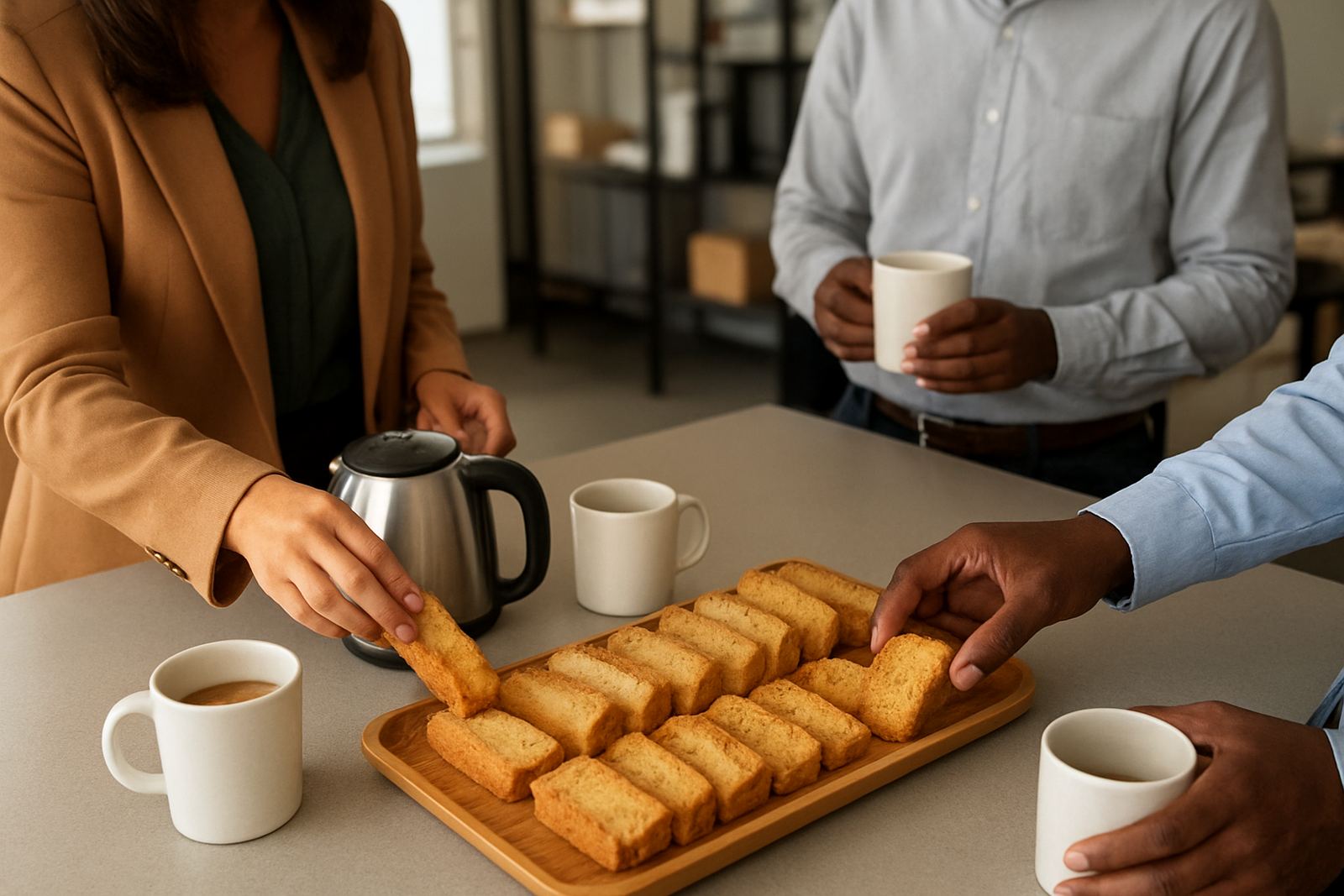
If you are hosting a work group, church team, or family gathering, think about how long people will stay. A shorter brunch can be lighter, while a slower Sunday sitting needs a bit more on the table. You want enough food for seconds without ending up with trays of leftovers nobody wants to take home. A balanced table also makes budgeting easier, which is useful when catering for fundraisers or community events.
- Use smaller plates to keep servings sensible
- Offer paper bags or small boxes for leftovers
- Place napkins close to the drinks station
- Keep extra rusks in reserve and top up as needed
That last point matters more than it sounds. Rusks are easy to refill, so you do not need to crowd the whole table from the start. A few fresh batches brought out later keep the spread looking neat.
Match the setting to the occasion
The same brunch idea can work for a birthday, baby shower, office farewell, or a quiet family Sunday. The difference is in the presentation. For a casual home brunch, a basket of rusks beside a kettle and butter dish is enough. For a more formal event, use a clean tray, labelled dishes, and a simple linen runner. No need to overdo it, the food should still feel comfortable.
If you are hosting in the Paarl area, the local setting often shapes the menu. A mountain-view garden brunch in autumn may call for stronger coffee and a few richer bites, while a summer gathering near the coast may be better with lighter fruit and chilled drinks. Rusks suit both. They hold their own with hot drinks in cool weather and still feel right when you are serving a late morning table in the heat.
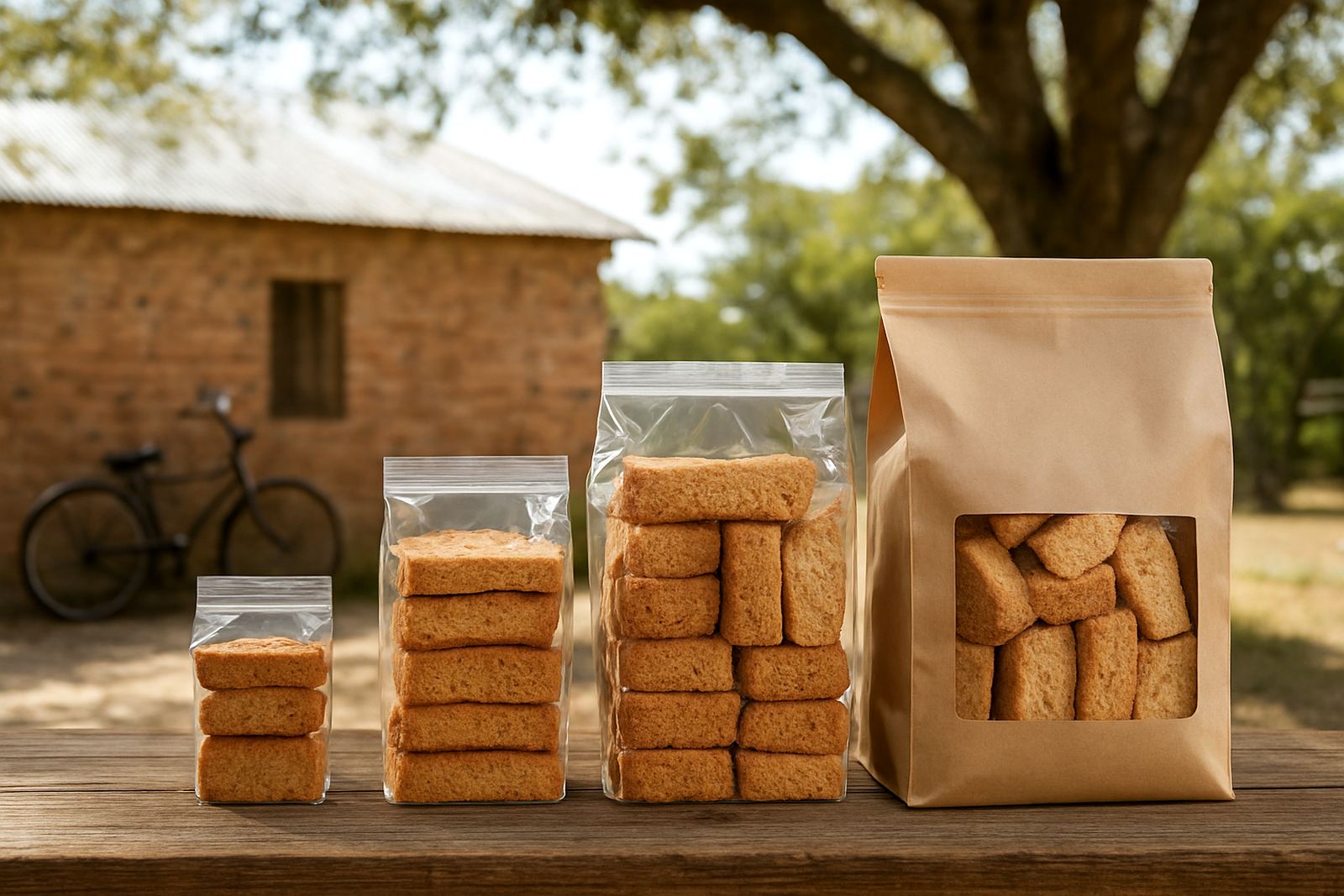
For corporate gifting or hospitality tables, consider pre-packed rusk portions. That makes service cleaner and helps when guests are moving in and out. It is a small detail, but it saves time and keeps the table from looking cluttered.
Keep the table warm, tidy and easy to enjoy
A brunch table does not need perfection. It needs comfort, enough variety, and food that people can reach without asking for help every minute. Rusks are part of that because they are familiar, neat to serve, and easy to enjoy with tea or coffee. They bring a homely note that suits everything from a small family breakfast to a larger weekend spread.
The practical trick is to keep the menu calm. One or two savoury dishes, fresh fruit, a sweet biscuit or rusk option, and good drinks will usually do the job. If you are organised, people relax. If people relax, they eat better and stay longer. That is the real goal of brunch, not showing off but making everyone feel looked after.
For hosts across South Africa, from Paarl stockists to Wellington and Stellenbosch, the formula stays the same. Keep it simple, keep it fresh, and let the rusks do their part. A good brunch should feel like a Sunday morning without the rush.