Why coffee softens the crunch without losing the bite
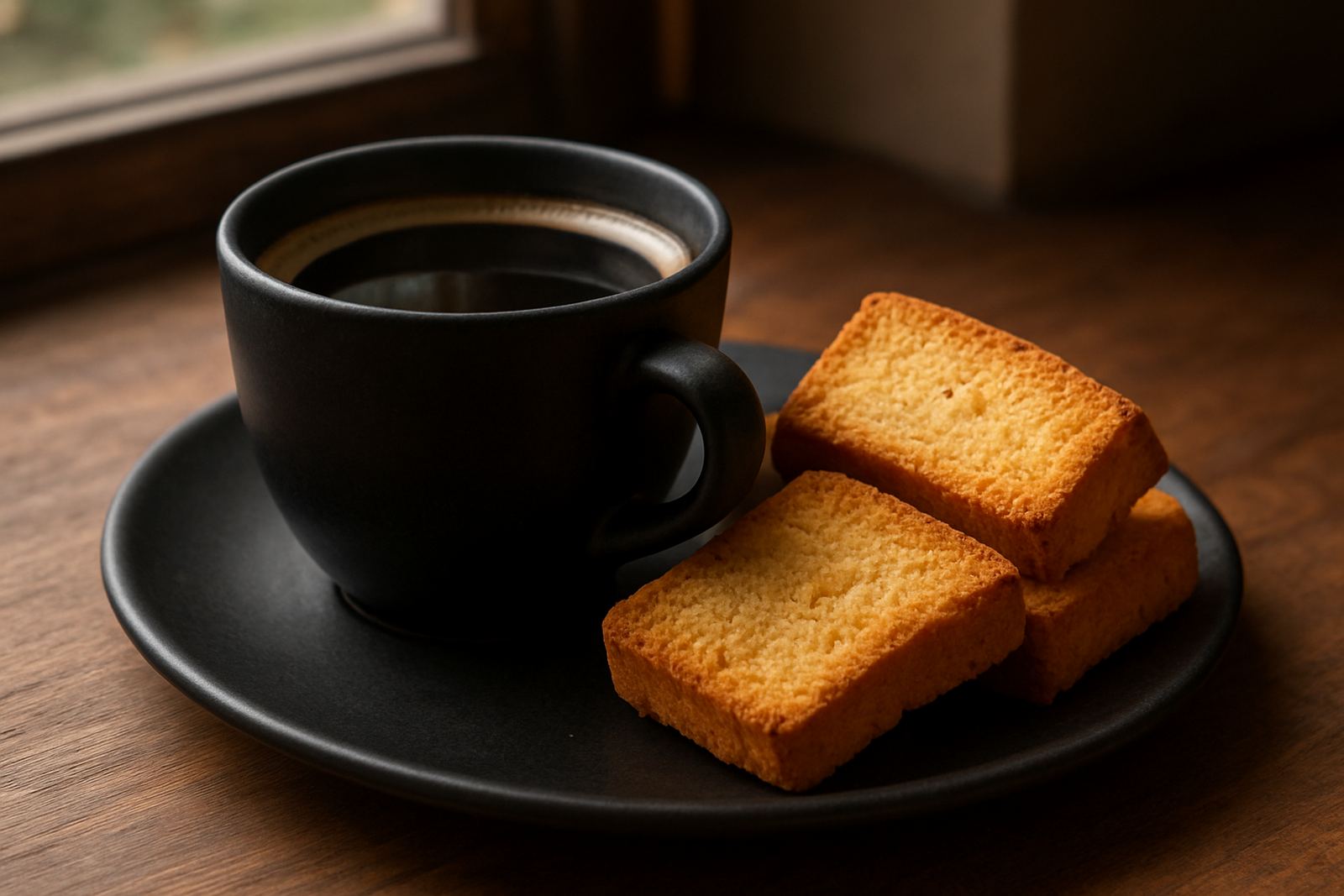
There is a practical reason a rusk and coffee go so well together. A rusk is dry by design, so when it meets a hot drink it takes up just enough liquid to soften the edges while keeping that firm bite. You get texture first, then flavour. Coffee does the same job in reverse, giving the palate something bitter and warm to work against.
That balance is why many people reach for rusks instead of biscuits. A biscuit can go soggy quickly, while a good rusk holds its shape longer. That matters when you are sitting through an early Paarl morning, answering emails before load-shedding starts, or packing a thermos for a drive through the Winelands.
What to look for in a rusk when coffee is the main event
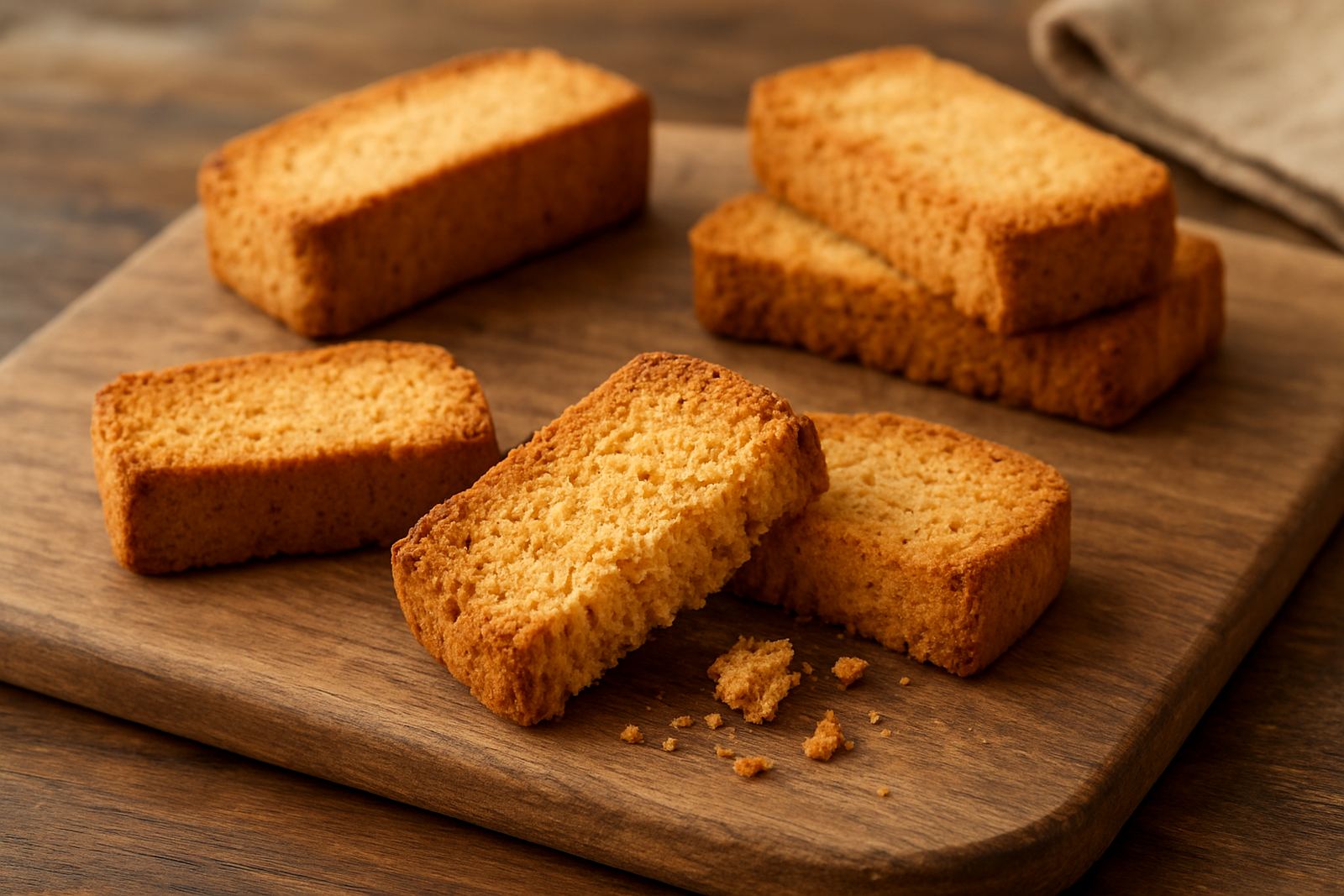
If coffee is the star, the rusk should support it rather than overpower it. A buttermilk rusk brings a mild tang and a home-style taste that works well with a black filter coffee or a strong Americano. Muesli rusks add a little more body, with oats and seeds that suit milk-based coffees and sweeter brews. The best choice depends on how you take your cup.
- For black coffee, choose a rusk with a clean, not-too-sweet flavour.
- For cappuccino or milky coffee, a more textured rusk can stand up better.
- For long meetings or road trips, smaller rusks are easier to serve and less messy.
- For early breakfasts, a denser rusk keeps hunger at bay a bit longer.
At home, many families keep one tin for weekday mornings and another for visitors. It is a small detail but it saves time, and in a busy household that counts.
Serving coffee and rusks for guests without making it complicated
When people come over, coffee and rusks can feel generous without needing a full spread. Put out a thermos or coffee pot, a bowl of rusks, and a few teaspoons or serviettes. If you are hosting in summer, keep the coffee strong enough to pair with cold milk on the side. In winter, warm mugs and a covered tin help keep everything fresh.
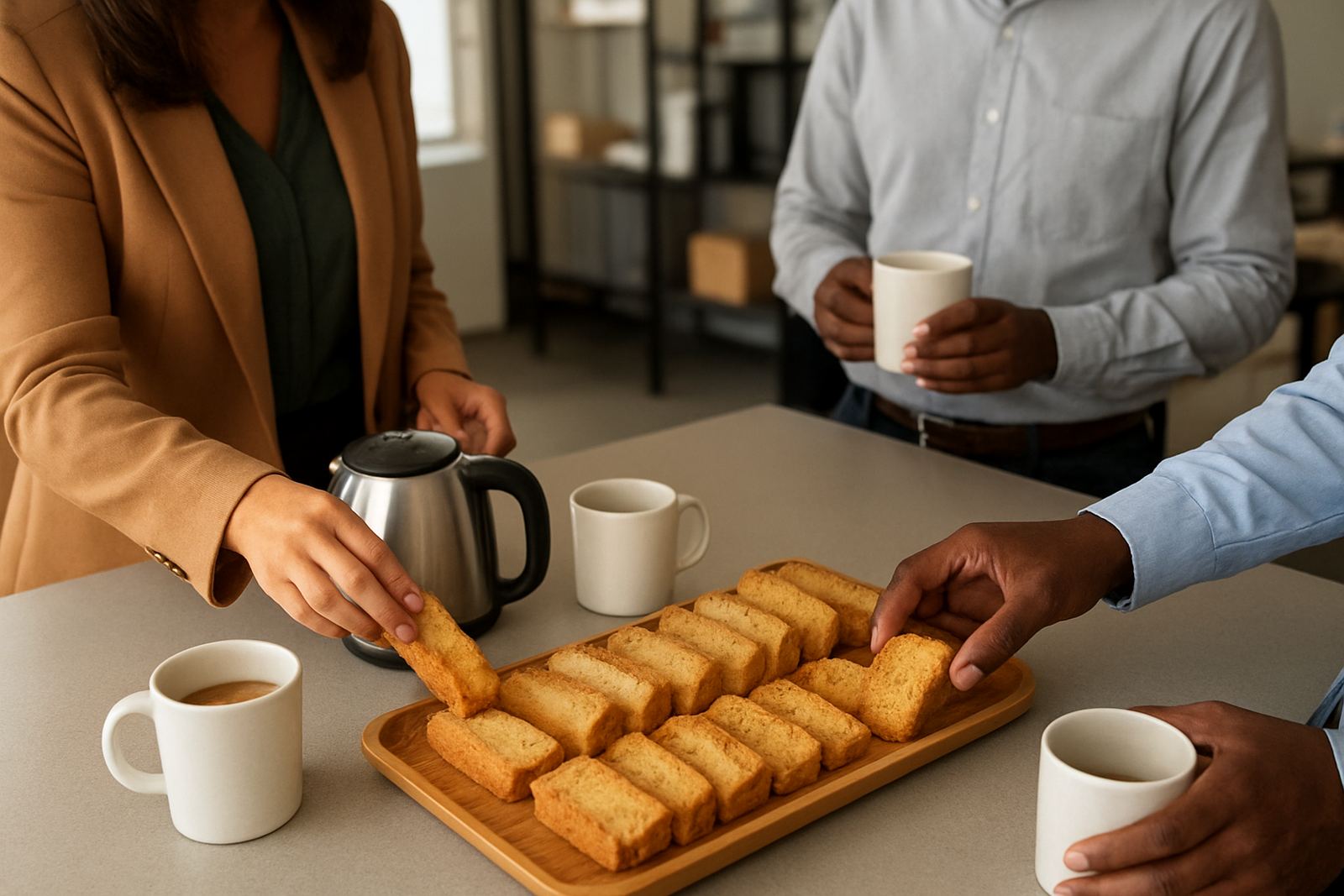
For offices, guest houses and small functions, the pairing is even more useful because it is tidy and predictable. No one has to wait for plated snacks, and there is less waste. That is handy for business meetings in Stellenbosch or a workshop in Somerset West where people arrive at different times.
- Set the coffee station near water and milk so people can help themselves.
- Use a covered container to keep rusks crisp in coastal humidity.
- Offer one lighter and one fuller style so guests can choose.
- For early service, pre-count portions to keep the table neat.
A local example from Paarl mornings to wedding weekend baskets
In Paarl, mornings can start cool and dry, especially in winter, then turn warm by mid-morning. That makes coffee and rusks a sensible combination for home kitchens, guest houses and farm offices. A visitor arriving after a long drive often wants something simple and honest rather than a large breakfast right away. A mug and a rusk do the job well.
We also see the same pairing working in gift boxes and event orders. A bridal couple might include rusks in welcome baskets for guests staying over in Franschhoek. A school fundraiser might sell sample boxes at a sports day in Wellington. A corporate client might send hampers to staff in Durbanville and Somerset West. The format changes, but the appeal stays the same because it is familiar and easy to enjoy.
Storage, freshness and the practical side of keeping rusks crisp
Rusks last well, but they still need proper storage if you want the full coffee-time experience. Keep them sealed, away from steam and away from direct sun. In the Western Cape, coastal moisture can soften dry baked goods faster than people expect, especially if a box is left open in a kitchen or storeroom. A tight lid makes a real difference.
If you are buying for a household or for wholesale use, think about how fast the stock will move. Smaller packs suit families that want fresh batches more often, while larger packs are better for hospitality counters and staff rooms. For catered events, order a little extra. Someone always wants a second rusk with the second cup.
- Store in a dry cupboard, not above a kettle or dishwasher.
- Keep packs closed after opening to protect the crunch.
- For bulk orders, rotate stock so older packs are used first.
- If serving in hot weather, present rusks in smaller trays and refill as needed.
Why the pairing still feels like home, even when life is busy
Coffee and rusks endure because they are not trying to be complicated. They suit early starts, late admin sessions and relaxed weekend visits. They are also affordable, easy to share and comfortable to serve across ages. That matters in South African homes where breakfast may be quick on weekdays, then slower on Saturdays when the kettle goes on more than once.
At Rusk, the appeal is in that ordinary reliability. A good rusk should taste like something you recognise, with enough structure to hold up to a hot cup and enough flavour to feel like more than filler. Whether it is a quiet morning in Paarl, a business counter in Bellville or a guest table in the Helderberg, the combination keeps earning its place.
And that is really the point. When the coffee is hot and the rusk is crisp, people slow down for a moment. It is a small break, but it is often the best part of the day.