Why crunch is the first thing people notice
With rusks, texture is not a side note. It is the part that tells you whether the bake was dried properly, whether the crumb is firm enough, and whether the rusk will stay pleasant after a few dips into a hot mug. A soft rusk can taste fine for a moment, but it loses the very thing people look for when they reach for one with tea at 7 am or coffee after a school run.
That is why many households in Paarl and beyond choose rusks for the morning table. They want something that feels proper with the first bite, not something that turns soggy before the kettle has even cooled. A crisp rusk gives you a steady bite, a bit of resistance, and a flavour release that lasts longer. In homes, offices and guest rooms, that matters more than people often admit.
The best texture also makes serving easier. If you are putting out snack bowls at a meeting in Stellenbosch or packing tea breaks for a site crew in Wellington, you want a product that travels well and does not crumble into dust before it reaches the cup. Crunch keeps its shape, and that makes the whole experience more dependable.
What makes a rusk crisp without feeling dry
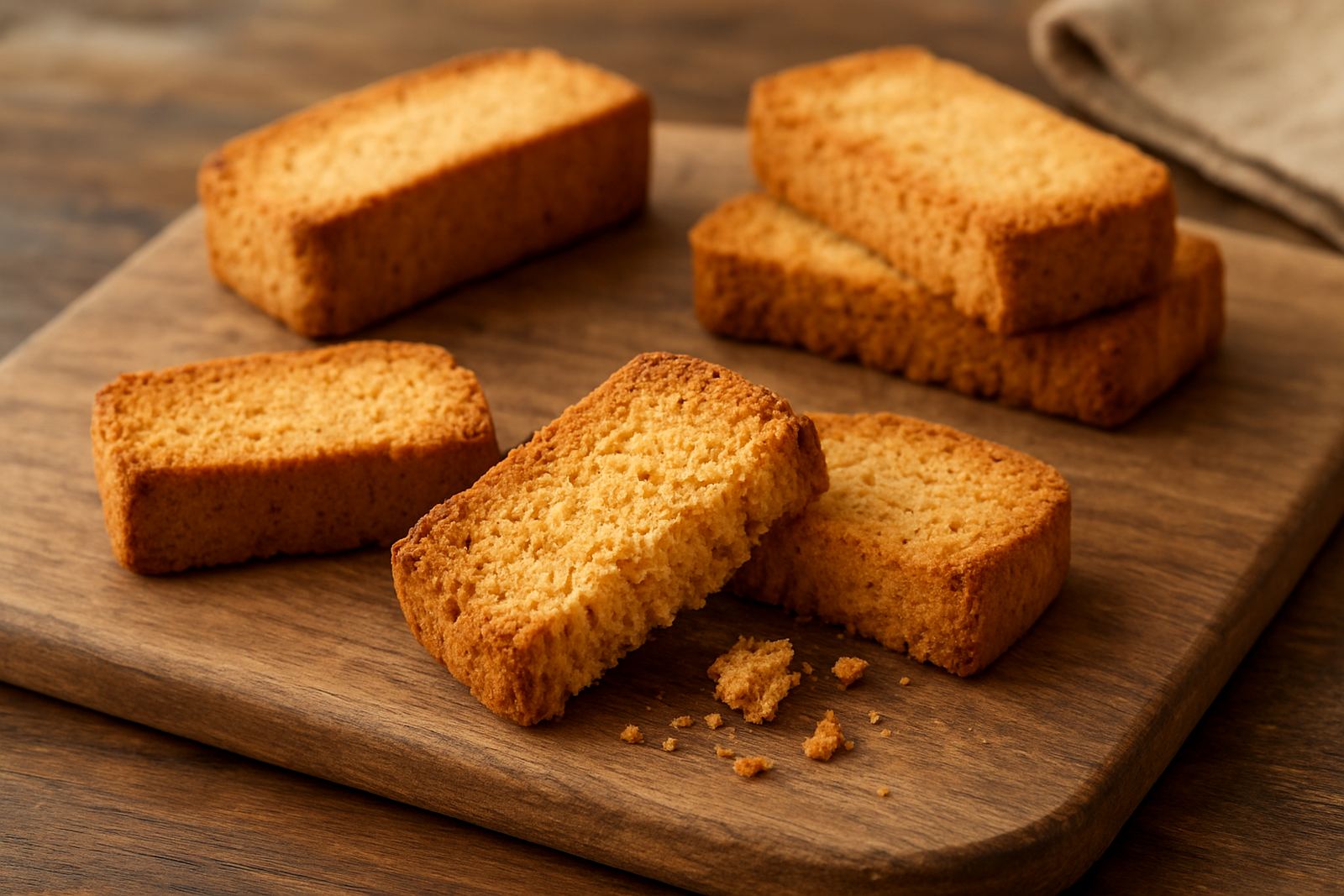
There is a difference between crisp and dry. Crisp rusks break cleanly, with a firm bite and a light crumb. Dry rusks feel stale, chalky or overly hard. The balance comes from careful baking, the right moisture level after drying, and ingredients that support structure without making the texture heavy.
In practical terms, the bake has to do a few jobs at once. It must set the shape, remove enough moisture for shelf stability, and still keep the inside pleasant enough to enjoy with tea or coffee. That is not easy in the Western Cape climate, where cooler winter mornings and coastal humidity can affect how baked goods store and travel. Near Somerset West, for example, a pack left open on the counter too long can soften quicker than expected.
Good texture also depends on the ingredient mix. Buttermilk rusks often have a fuller, more comforting bite, while muesli rusks can bring more chew and a little extra texture from grains and seeds. Both can be crisp, but they should never feel brittle in the mouth. When that balance is right, you get a snack that works at breakfast, at the office and even in a guest basket at a small guesthouse.
How to keep rusks crisp in everyday use
Once the pack is opened, storage becomes part of the experience. Many people treat rusks like they can sit anywhere, but temperature and humidity do matter. A sealed container is usually better than a loose bag clip, especially in warmer rooms or near the kitchen sink where steam gathers. In coastal areas and in places with high moisture, even a few days of poor storage can change the bite.
If you are buying for home use, it helps to portion rusks into smaller jars or tins so the main pack stays closed. For offices, canteens and hospitality spaces, serving smaller amounts at a time keeps the rest fresh. This is especially useful when load-shedding disrupts routines and people open and close cupboards, move snacks around, or make tea at odd times through the day.
- Keep rusks in a cool, dry cupboard away from direct sun.
- Seal opened packs in an airtight tin or container.
- Do not store them above kettles, ovens or dishwashers.
- For bulk orders, divide stock into smaller portions for daily use.
- Check for moisture after storms, especially in coastal towns and older buildings.
Local buying habits in Paarl and nearby towns
In Paarl, the way people buy rusks is often shaped by routine. Some families want a weekly top-up for school mornings. Some offices order for meeting rooms and staff kitchens. Small hospitality businesses in Franschhoek and Stellenbosch often need stock that looks neat, lasts well and suits both early breakfasts and afternoon tea service. Texture helps meet all of those needs.
A local guesthouse manager in Paarl might choose rusks for the breakfast table because guests expect a familiar bite that pairs well with coffee and rooibos. If those rusks arrive too soft, the tray looks tired by mid-morning. If they are crisp and well packed, they hold up through repeated serving and still taste right for the last guest. That is the difference texture makes in a real service setting.
Wholesale buyers also pay attention to consistency. A box that delivers the same crunch from one pack to the next saves time and reduces complaints. Whether the order is going to Wellington stockists, a corporate pantry in Durbanville or a fundraiser in Somerset West, steady texture keeps repeat orders simple. And that means fewer questions later on, which every buyer appreciates.
Pairing crunch with tea, coffee and other hot drinks
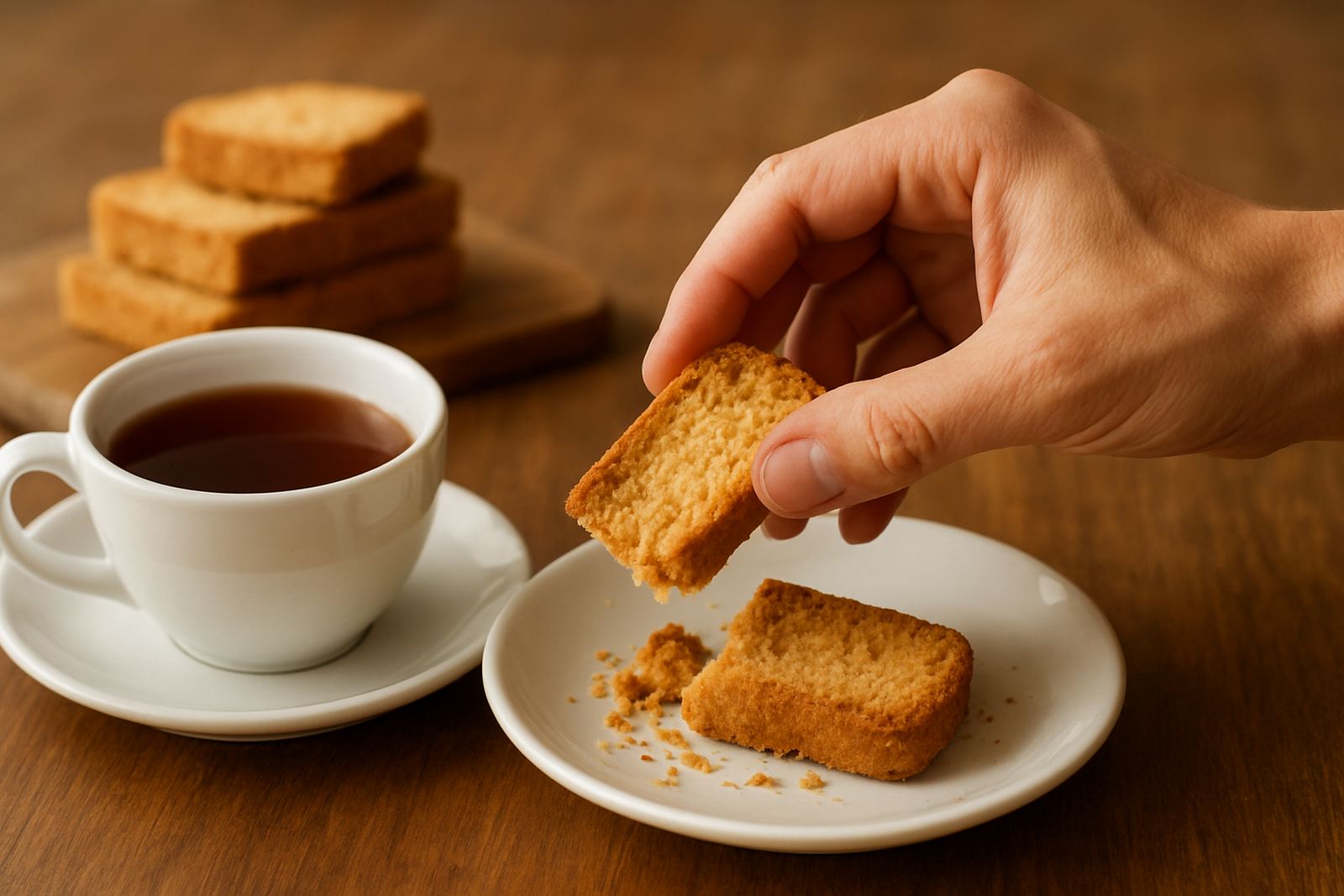
Rusks are often judged by how they behave in a hot drink. A good one should soften gradually, not collapse. The first bite should be crisp, then the centre can take on a little moisture as you sip. That slow change is part of why people enjoy them with black tea, rooibos or a strong filter coffee. You get the sound, then the soak, then the flavour comes through.
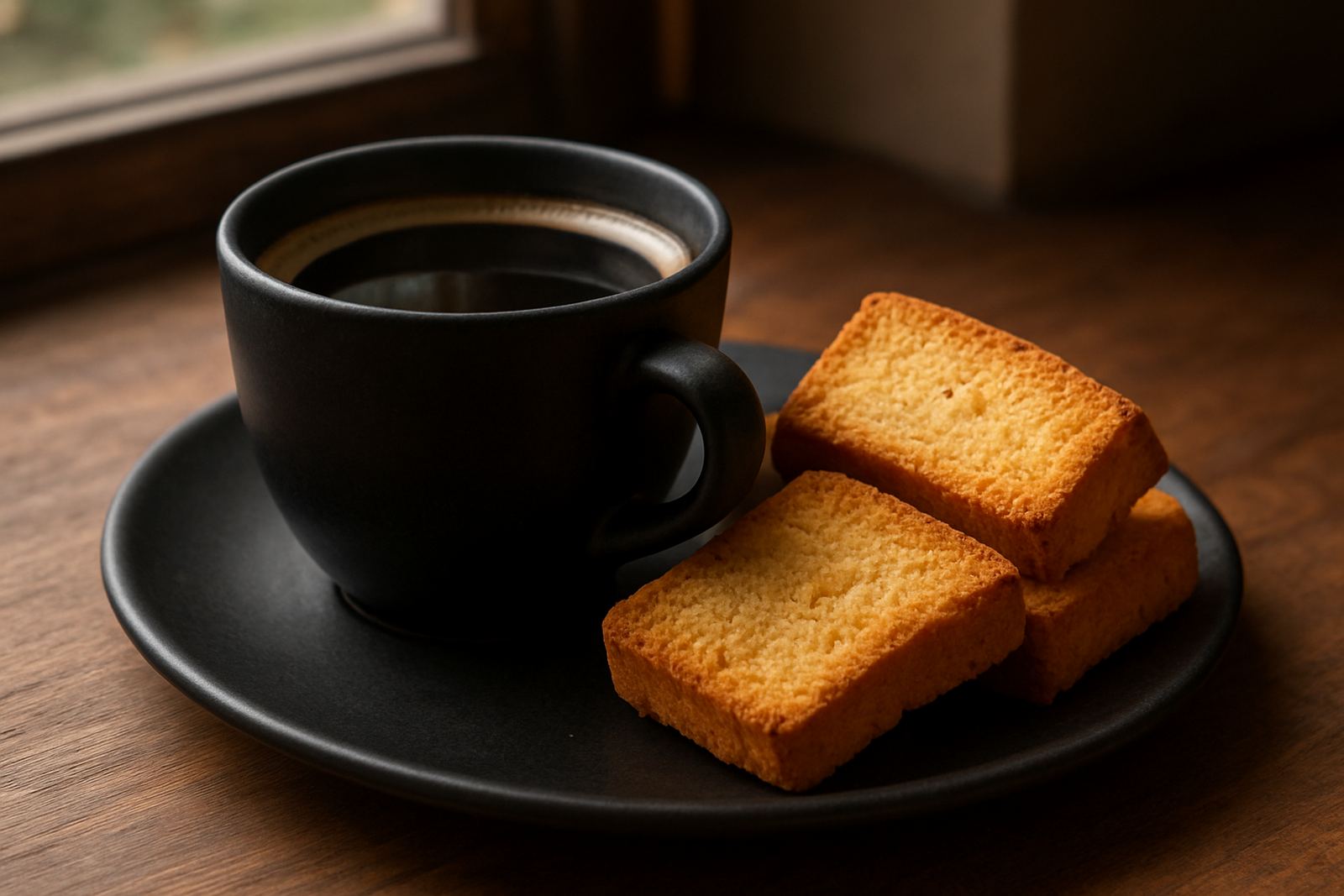
The type of drink matters too. A lighter tea can bring out a subtle buttermilk note, while a richer coffee can carry the deeper grain taste in a muesli rusk. For morning use, many people prefer a rusk with enough density to handle a long sip without breaking apart too quickly. For an afternoon break, a softer pairing may feel better, but the bite still needs structure.
- For strong coffee, choose a rusk with firm crumb and clear crunch.
- For rooibos, a slightly lighter texture can work well.
- If serving guests, offer two styles so people can pick what suits their drink.
- In a busy office, keep a simple rule: open one pack at a time.
What buyers should ask before placing an order
Before ordering rusks for home, retail or hospitality use, ask practical questions about texture and packaging. How crisp is the product on delivery? How long does it stay fresh once opened? Is it suitable for single-serve trays, bulk tins or mixed hampers? These questions sound small, but they save waste and disappointment.
For corporate gifting and event orders, texture matters even more because the rusk may be opened days after delivery. A gift pack with a neat, crunchy product feels considered. A soft or broken pack can leave the wrong impression, even if the flavour is good. This is why sample boxes help: they let buyers test bite, firmness and shelf feel before committing to larger quantities.
At bakery level, the detail shows in how the product is handled. Cooling time, packing time and storage all affect the end result. When those steps are managed properly, the final rusk arrives with the crunch people expect. And once a customer has that first proper bite, they usually know they have found the right one, no fuss needed.