Why road trips need a better snack plan
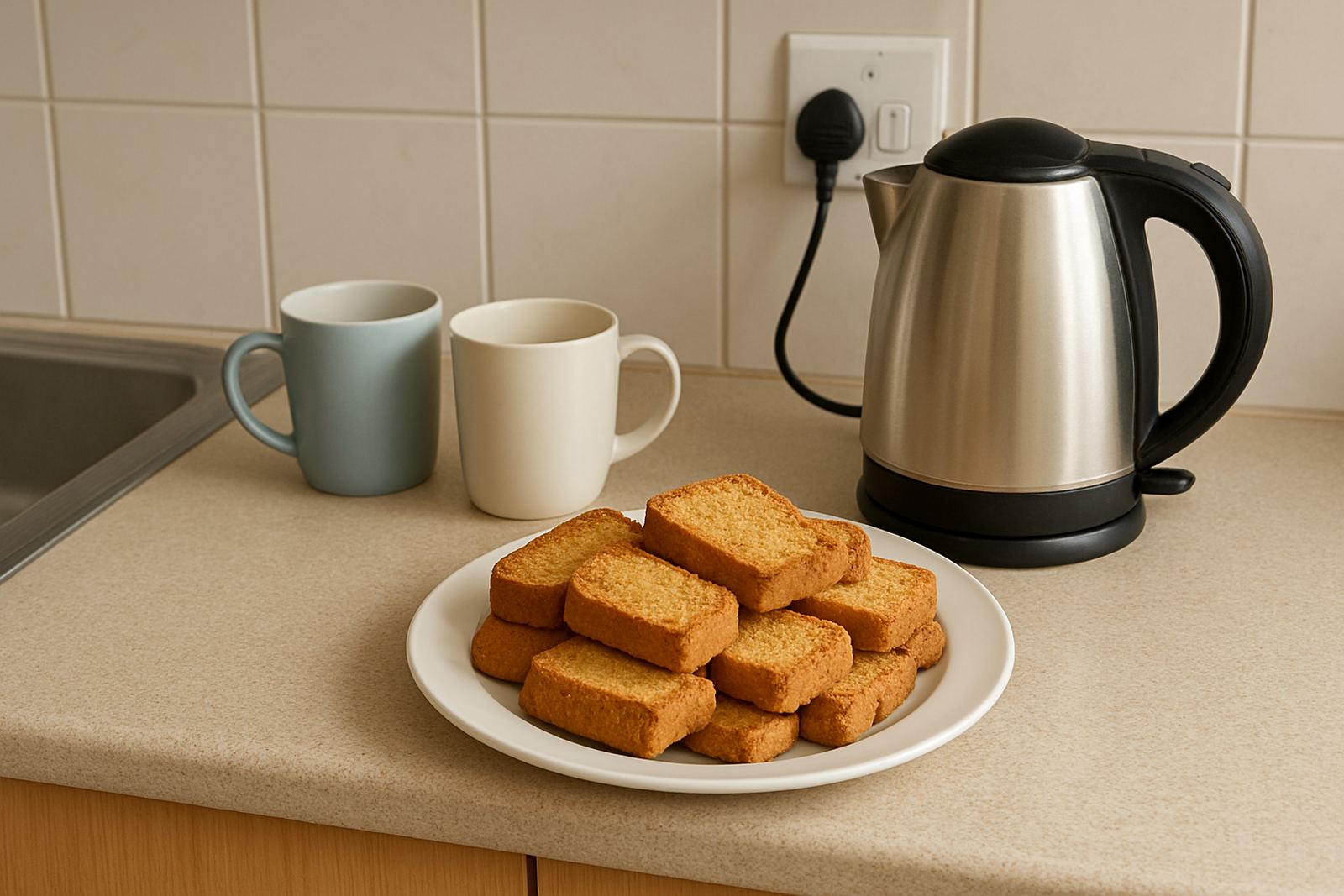
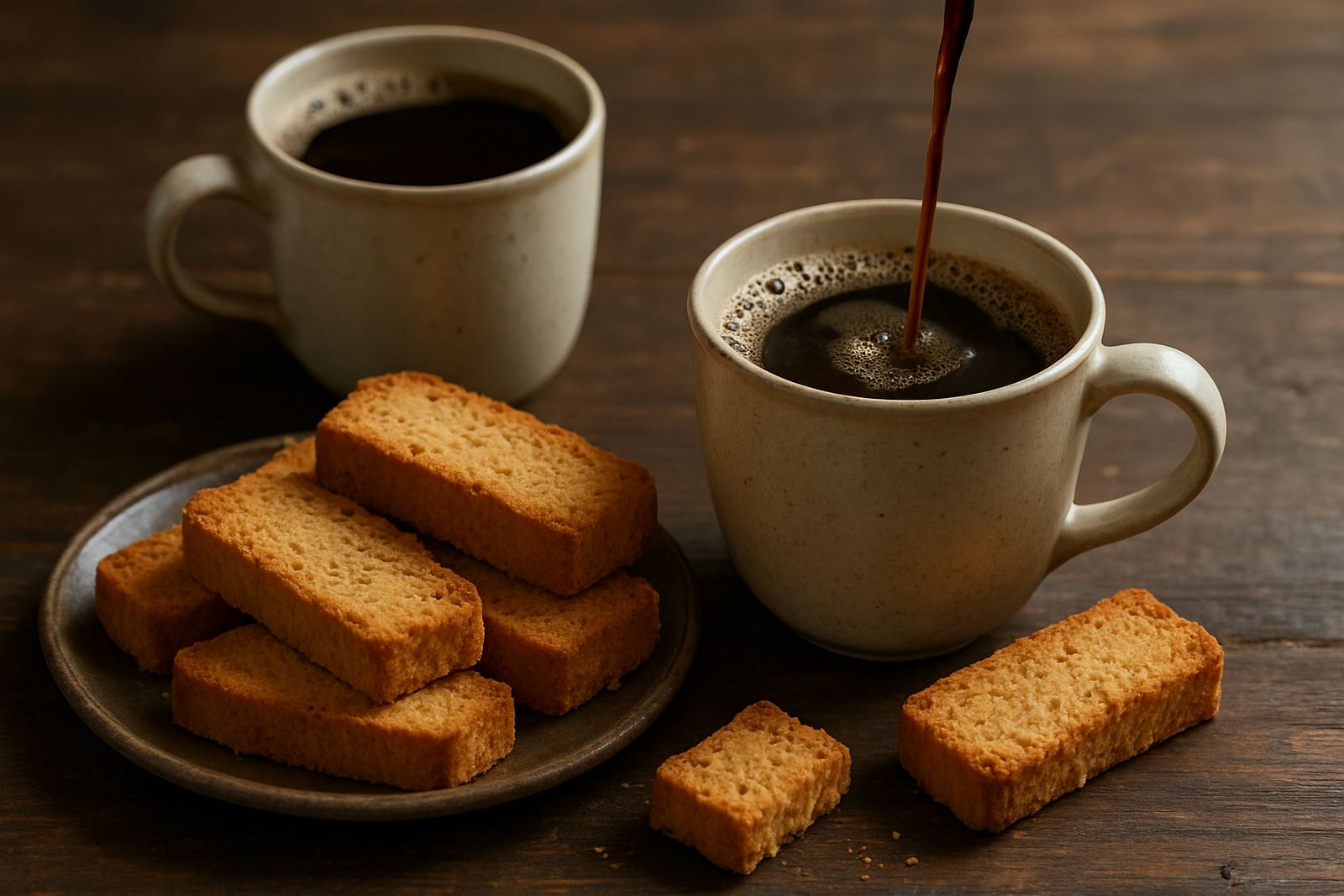
When you are on the N1, N2 or a quieter back road, the first thing to run out is patience and the second thing is decent food. Road trip snacks need to stay dry, not melt in the boot, and still taste good after a few hours in the car. That is where a firm rusk makes sense. It gives you something filling with tea or coffee at a petrol stop, without needing a cooler bag or extra fuss.
For families, contractors, tour groups and weekend travellers, a familiar snack helps keep stops simple. You know what is in the pack, you know how it travels, and you do not have to worry about crumbs, sticky fingers or items going soft in warm weather. In hot inland conditions and coastal humidity alike, that matters more than people think.
What usually goes into a travel snack pack
A good travel pack is built around items that keep their shape and do not need much handling. For many customers, that means adding rusks alongside bottled water, fruit, nuts and a few savoury items. The snack should fit into a glove box, day bag or picnic basket without taking over the whole boot.
- Individually packed or resealable rusks for easy portioning
- Bottled water or small flasks for tea and coffee stops
- Fresh fruit that can handle a few hours on the road
- Dry snacks that do not crush easily under luggage
- A napkin or two for the dashboard stop between towns
In South African travel conditions, especially during school holidays or long weekends, simple is better. People often overpack and end up with snacks that are hard to reach, or they pack too much wet food and have no clean way to serve it.
How to plan quantities for different trip lengths
The right quantity depends on who is travelling and how often you stop. A couple on a weekend away may need only a small pack for the road, while a family of five on a five hour drive through the Western Cape will need more than one round of snacks. A practical rule is to plan for one serving at the start, one around the halfway point, and a small reserve for delays.
For home use, a 500 g to 1 kg pack is often enough for a few days of driving. For group travel, event organisers and hospitality teams usually work with larger cartons or mixed packs so they can hand out snacks without opening too many separate items. If you are sending packs with staff or guests, it helps to label them clearly with the day, route or vehicle number.
- 2 to 4 people on a short trip: 1 to 2 smaller packs
- Family road trip: 2 to 4 packs, plus extra water
- Corporate travel or shuttle use: bulk packs for easy issuing
- Holiday gifting: mixed packs with a neat note inside
Where rusks work best in the vehicle
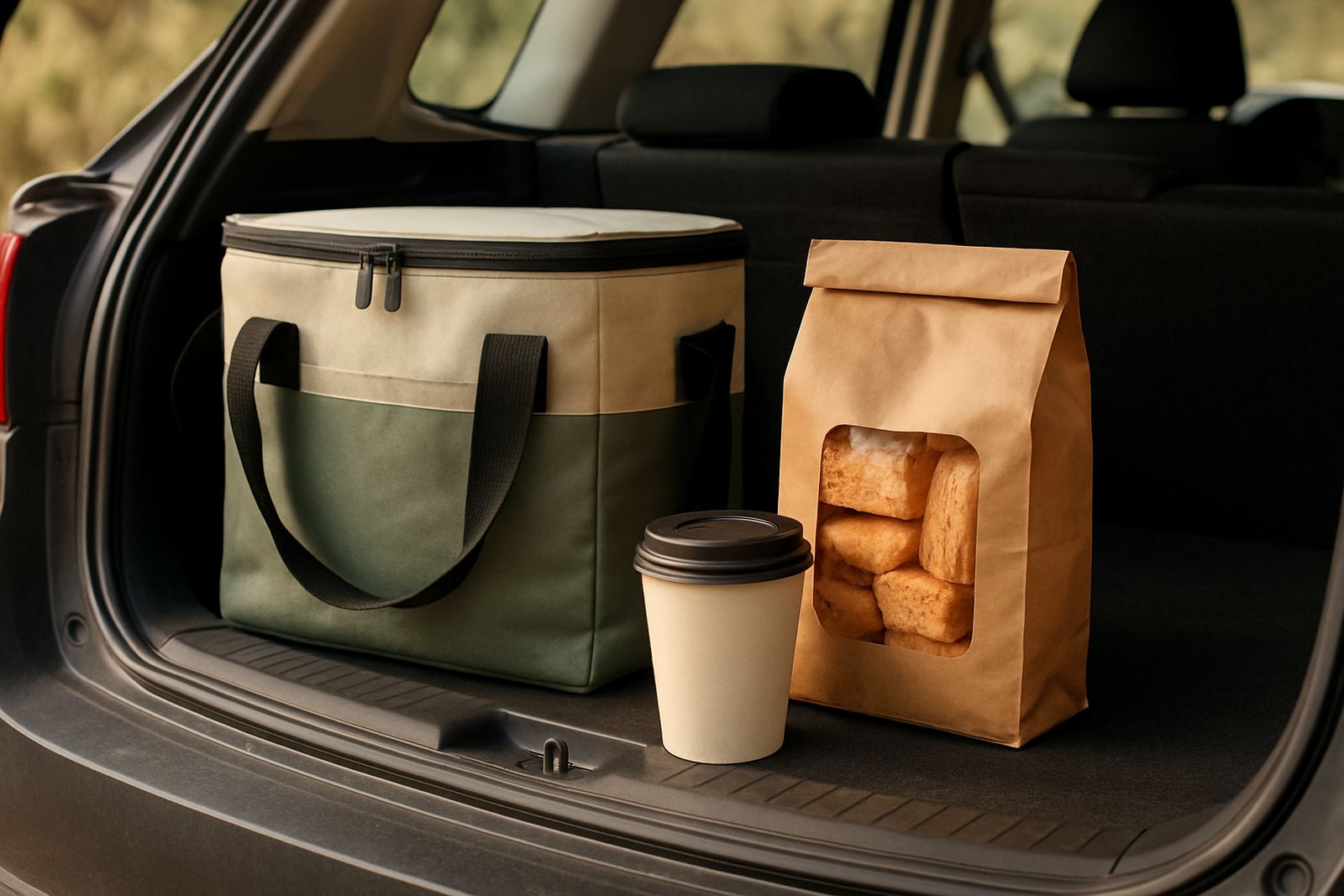
Most people keep travel snacks in the boot, but that is not always the smartest place for the items you want first. Put the daily snack pack within reach of the rear seat or front passenger area so there is no digging around while the driver is trying to stay focused. A sealed container or paper bag inside a cooler box works well, especially if you are carrying other snacks too.
In summer, keep the snack pack out of direct sun. A car parked at a petrol station in Paarl or Worcester can heat up quickly, and soft foods or chocolate based items are a bad choice in that kind of heat. Rusks are easier because they keep their texture and do not need refrigeration. That is one less thing to manage.
Common mistakes people make on road trips
The biggest mistake is packing snacks that are messy, fragile or too sweet to sit well on a long drive. Another is buying too little, then stopping at every second town for convenience items that cost more than expected. Road travel already brings fuel, tolls and parking costs, so it makes sense to choose food that is sorted from the start.
Some travellers also pack snacks in loose packets that get crushed under luggage, or they forget to separate the driver’s share from the rest. That leads to arguments at the first stop, which nobody wants. A tidy pack, clearly set aside before departure, keeps the trip calmer and saves time.
- Do not rely on items that melt or spoil in heat
- Do not pack snacks so tightly they split open in transit
- Do not assume every stop will have a good selection
- Do not leave the snack bag in direct sun on the back seat
Budget ranges for personal, family and group travel
For a simple personal travel pack, many buyers spend between R60 and R150 depending on the size of the order and what else they add. A family pack with a few bags of rusks and extra snacks may sit between R150 and R350. Corporate or hospitality orders often run higher because they need packing, labelling and a more consistent quantity for every guest or vehicle.
Wholesale buyers, guest houses and tour operators usually look at the cost per serving rather than the price of one pack. That makes budgeting easier when you are serving many travellers each week. If you are running a holiday house in the Western Cape, it can be useful to keep a small cupboard stock so you are not rushing for supplies the night before a booking.
Ordering road trip snacks from Paarl to anywhere in South Africa
Rusk supplies from Paarl for customers across South Africa, with delivery that suits home orders, wholesale needs and larger travel packs. The team handles online orders, corporate gifting, event packs and custom hampers, so you can match the snack pack to the trip and the number of people travelling. For regular buyers, subscription packs can also help keep the pantry ready for the next departure.
If you are stocking up for a family holiday, a school outing or guest arrivals at a property, it helps to order before the busy travel season starts. That way you are not caught short on a Friday afternoon when everyone wants to leave at once. For enquiries, contact bakery@rusk.co.za and plan your pack in advance.