Why rusks work in school lunchboxes
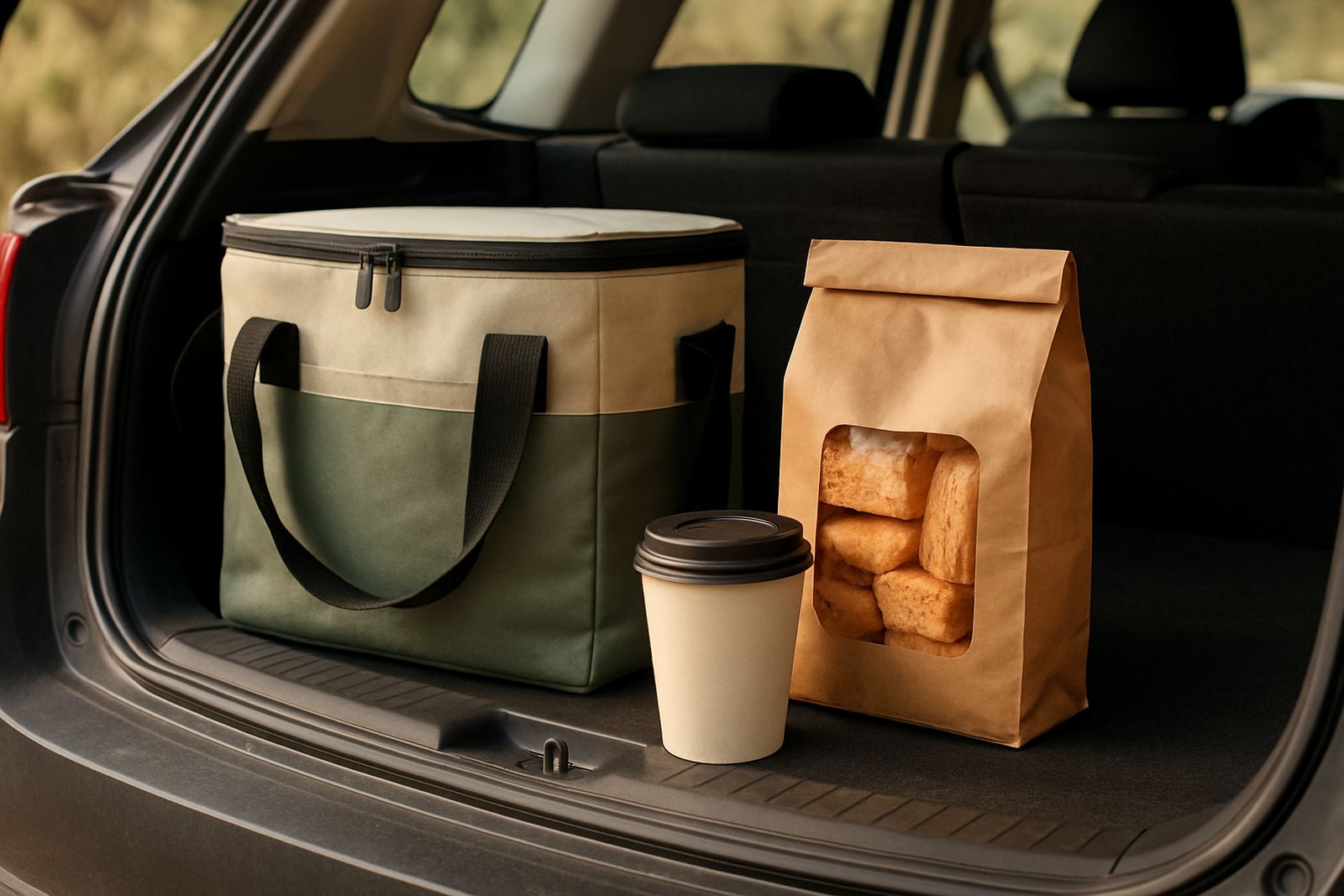
For many families, the hard part of a lunchbox is finding something that does not crumble into a mess before second break. Smaller packs of buttermilk or muesli rusks are practical because they are easy to portion, they do not need refrigeration, and they hold up well in warm backpacks and car rides across Paarl, Wellington, Stellenbosch, and beyond.
They also suit the real school day. Some learners want a quick bite before sport, others need a snack for the taxi home, and many parents want a backup item that keeps well for a week or two. A rusk gives that steady option without extra prep. It is a simple choice for families who want something homestyle, but not fussy.
Best pack sizes for different ages
Lunchbox planning works better when the portion matches the age of the child. A Grade R learner does not need the same amount as a teenager at high school, and a small pack can prevent waste. For younger children, half portions or mini packs are often the safest choice. Older learners usually do better with a full single serve pack, especially on long school days or when they have extra-mural activities after class.
- Grade R to Grade 3: small bite-size packs or half portions
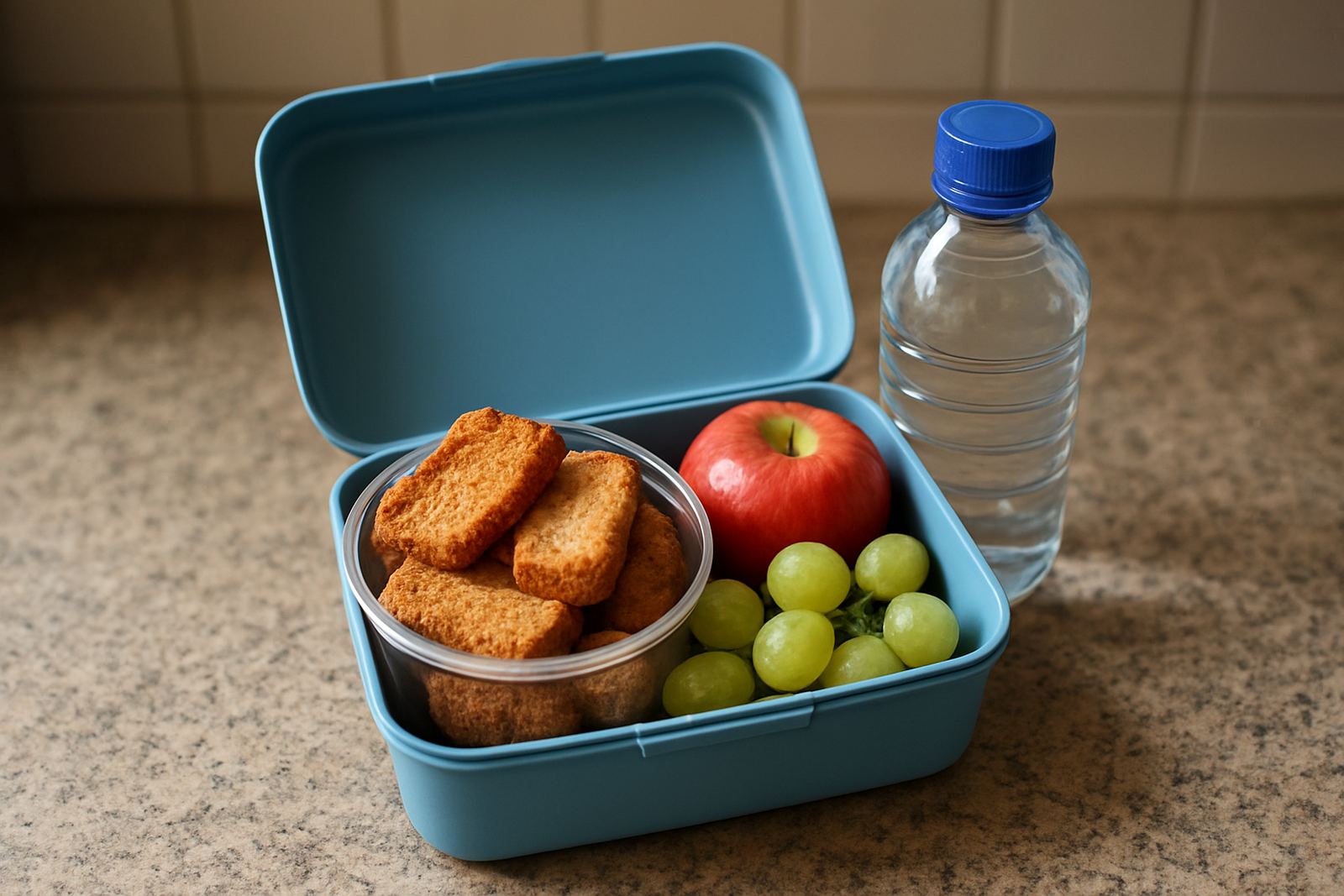
- Grade 4 to Grade 7: single packs with fruit or a yoghurt drink
- High school learners: fuller snack packs for breaks and sport
- Aftercare and homework clubs: one to two pieces with a water bottle
If you pack lunch for more than one child, standardising the portions can save time. It also makes school mornings less rushed, especially during load-shedding when the kettle and toaster are both off and everyone is trying to get out the door on time.
How to plan lunchbox supply for the month
The easiest approach is to treat rusks as a repeat snack item, not a once-off treat. That means buying enough for the month and keeping a small reserve in the cupboard. For families with two or three school-going children, a mixed box can help you rotate flavours and avoid complaints that the same snack is in every lunchbox.
When planning, think about school terms, sports fixtures, and exam weeks. During those busy periods, snack use usually goes up because children need something quick between classes and practice. If your household is near the coast or in a more humid part of the Western Cape, keep packs sealed until needed so they stay crisp. In drier inland areas, the main concern is crumbs, so a proper container matters just as much.
- Keep a weekly count of lunchbox days, not just school days
- Order a spare box for sport, camps, and study weekends
- Store packs in a cool cupboard away from heat and sunlight
- Use a clip-top container to protect texture in transit
Common mistakes parents make
The biggest mistake is packing too much. A lunchbox that comes home full every day means the child is not eating what was packed, or the portions are too large. Another problem is mixing rusks with soft food in the same compartment. Once jam, fruit or yoghurt leaks into the pack, the crumbly snack becomes difficult to eat and children often leave it behind.
Some parents also overlook the practical side of school transport. A pack that works at home may not survive a backpack, taxi, or sports bag. Choose packaging that can handle a knock or two, and avoid loose pieces in a paper packet if the lunchbox is going to move around a lot. Small details matter, especially when you are trying to keep mornings calm.
Budget ranges for families and schools
Budget depends on whether you are buying for one child, a group of learners, or a school fundraiser. For household use, many families set aside around R120 to R300 per month for snack additions like rusk packs, depending on pack size and how often they are used. If you are buying for several children, a larger monthly allowance of R350 to R800 is more realistic.
Schools, aftercare centres, and parent committees usually work on larger volumes. Sample boxes and mixed packs help with tasting and planning before a bigger order is placed. For smaller fundraising runs or class packs, it is wise to cost in delivery, storage, and any re-packing needed on site. A clear budget stops surprises later on.
Ordering for schools, fundraisers, and busy homes
Families in Paarl, Wellington, Franschhoek, Stellenbosch, Somerset West, and Durbanville often want a simple way to keep lunchboxes sorted for the term. Online orders and nationwide delivery make that easier, whether you need a few packs for home use or a wholesale run for a school event. Corporate gifting, fundraiser orders, and subscription packs can also be adapted into learner-friendly snack boxes.
For larger orders, it helps to decide early on flavour mix, pack count, and where the boxes will be stored on arrival. If the school has limited storage space, smaller split deliveries may be easier to manage. For questions about school packs or bulk supply, email bakery@rusk.co.za and ask for a lunchbox-friendly order setup.
- Best for class treats, tuckshop packs, and aftercare snacks
- Useful for school sports trips and camp food lists
- Suitable for bulk purchasing and repeat term orders
- Can be combined with custom hampers or sample boxes