Who wholesale rusks suit best
Wholesale rusks work well for stockists who want a trusted, easy to explain product that turns over steadily. They also suit hospitality buyers who need a reliable breakfast or tea-time item for guest houses, lodges, conference venues and serviced apartments. In the Western Cape, many buyers order for tourism seasons, wedding weekends and long stays, while inland customers often plan ahead for monthly top-ups and staff tea stations.
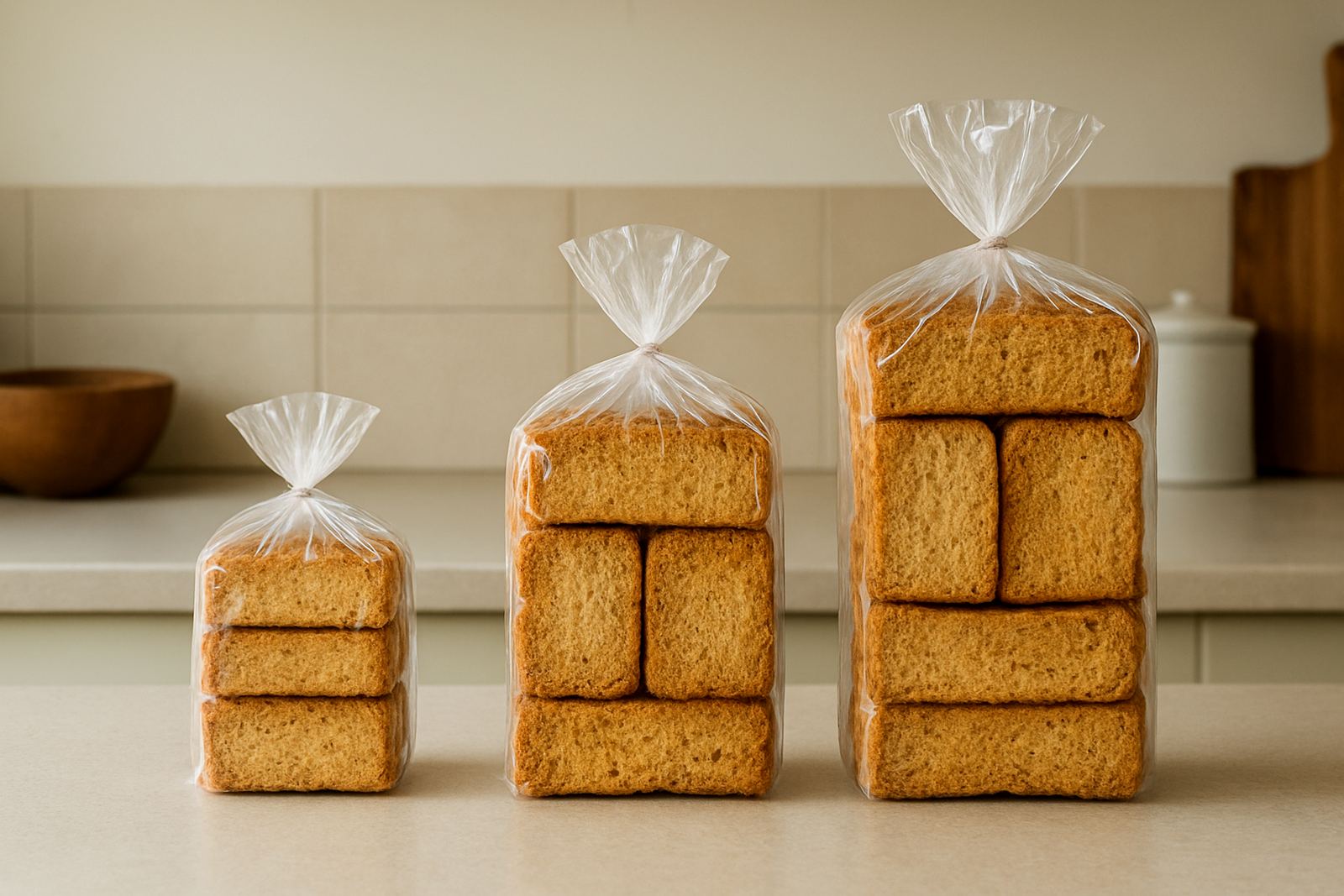
Rusk packs are practical because they store well, portion neatly and are simple to present at counter level or in guest rooms. If you serve tea and coffee every day, or if you manage a small retail shelf with limited space, rusks give you a product that is easy to move without needing cold storage or complicated handling.
How to choose the right mix for your shelves or guest rooms
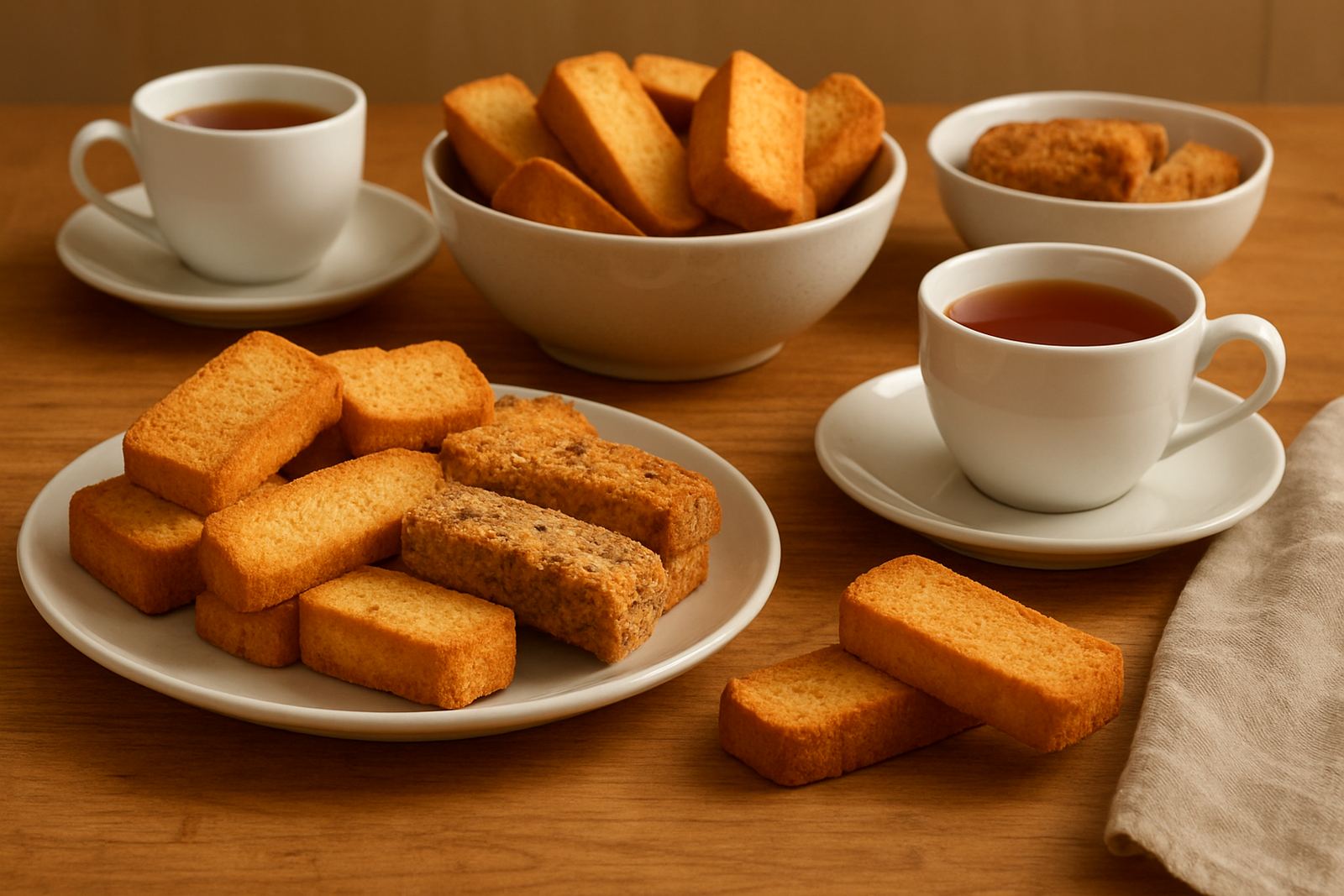
The best wholesale order usually starts with your customer profile. Stockists often want a mix that balances familiar favourites with a little variety, while hospitality buyers may lean toward one or two flavours that suit breakfast service and in-room refreshment. Buttermilk rusks remain a steady choice for everyday demand, while muesli rusks can help if you want a more wholesome option on the shelf or in a breakfast basket.
- Check your weekly or monthly turnover before you place the next order.
- Work out whether your buyers prefer plain, traditional flavours or a slightly more wholesome mix.
- Allow extra stock for weekends, school holidays and local events.
- For guest rooms, count two to four rusks per stay depending on the length of visit.
- For retail shelves, keep enough variety to avoid slow movers sitting too long.
If you are ordering for a café or deli, ask whether the product will be sold loose, packed for take-home, or served as a complimentary item. That decision affects how much you need and which pack format will work best.
Placing a regular order without overbuying
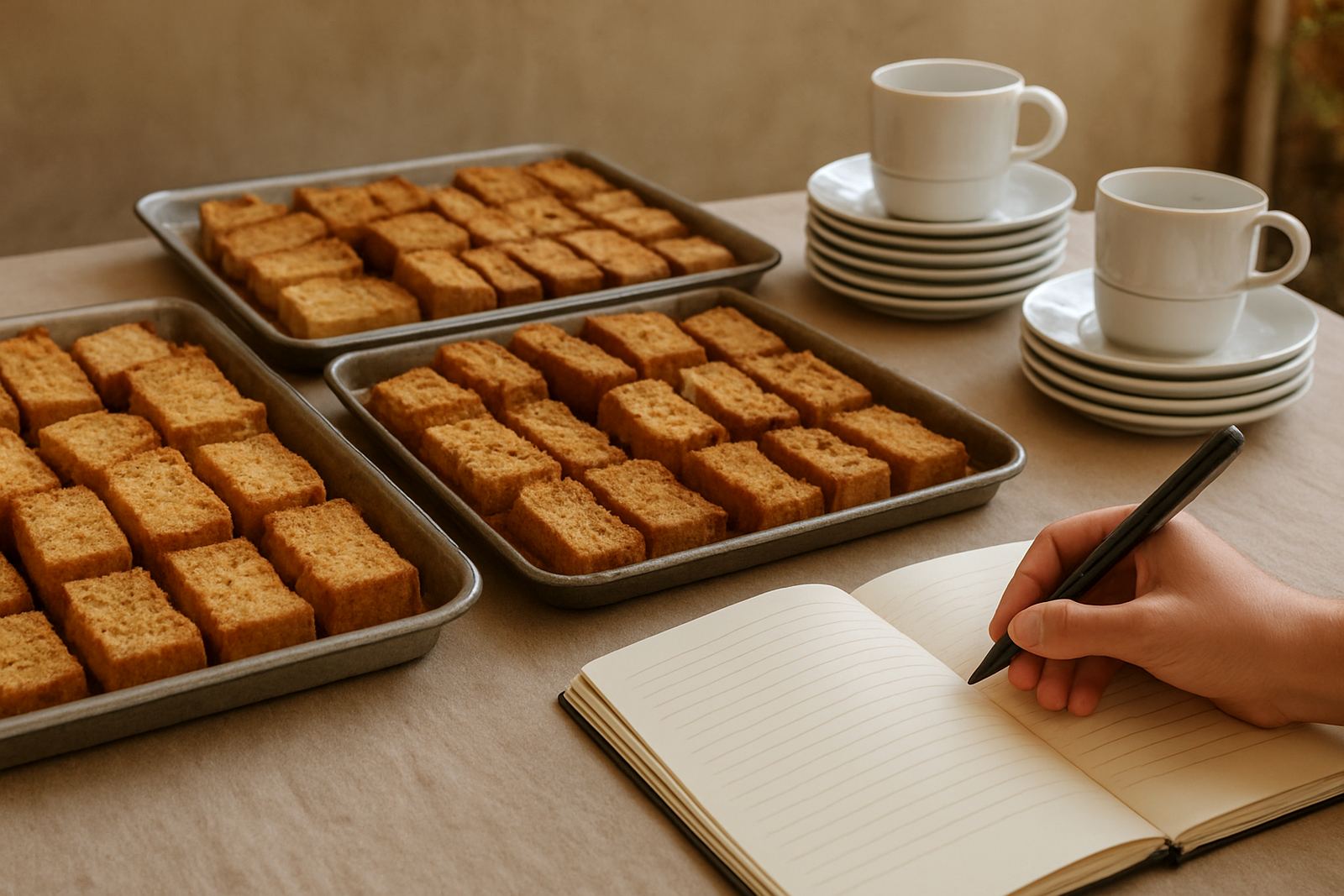
Regular wholesale buying works best when you set a simple ordering rhythm. Many stockists place orders weekly or every second week, while hospitality buyers often prefer a monthly cycle with a small buffer for busy periods. The aim is to avoid running out, but not tie up too much cash in stock that sits too long on the shelf.
A practical way to plan is to look at the last three orders and compare what sold, what remained and which days were busiest. In Paarl, Wellington and surrounding areas, tourism spikes can change quickly during harvest season and long weekends, so it helps to keep a bit of safety stock. If your business runs close to the coast, especially around Somerset West or the Helderberg, remember that humidity can affect storage, so keep packs sealed and away from heat.
- Set a reorder point based on real sales, not guesswork.
- Leave room for seasonal increases, public holidays and local functions.
- Keep stock in a cool dry area, off the floor and away from direct sun.
- Rotate older stock first so nothing gets forgotten at the back.
What stockists and hospitality buyers should check first
Before you confirm a wholesale order, check the basics that affect service and margins. Confirm pack counts, flavour split, delivery timing and where the stock will be received. If you are a stockist, think about shelf space, display height and whether your customers prefer grab-and-go packs or larger family packs. If you are buying for hospitality, check how many rooms, tea stations or table settings you need to cover for the coming period.
It is also worth checking load-shedding times, especially if you store other perishables in the same area. Rusks do not need refrigeration, which makes them useful when power cuts disrupt other supplies. Still, your receiving area, storeroom and front counter should be organised so deliveries can be unpacked quickly and properly.
- Confirm quantities before dispatch so there is no mismatch on receipt.
- Make sure the delivery address includes the correct contact name and phone number.
- Ask how the stock should be offloaded if access is tight or parking is limited.
- Keep your invoice and delivery note together for easy reconciliation.
Wholesale supply for cafés, guest houses and gift orders
Many buyers use wholesale rusks beyond the shelf. Cafés may add them to takeaway tea and coffee orders, guest houses may place them in welcome trays, and corporate buyers may include them in hampers for clients or staff. Because the product feels homely and familiar, it works well for simple gifting without needing elaborate packaging or extra handling.
If you supply guests or customers directly, think about presentation as well as quantity. A neat pack in a basket or a counter jar can make a small purchase feel considered. For events in Stellenbosch, Franschhoek and Durbanville, rusks are often chosen because they travel well, they are easy to serve and they suit both formal and relaxed settings. That makes them useful for fundraisers too, where buyers need something affordable that still feels worthwhile.
How to keep wholesale stock fresh in South African conditions
Freshness in wholesale buying is mostly about storage discipline. Rusks should stay dry, sealed and out of direct sun. In hot inland conditions, avoid placing stock near ovens, windows or warm plant rooms. On the coast, especially when the weather is damp, keep cartons closed until needed and do not leave opened packs lying around for long periods.
For larger orders, divide stock into smaller handling batches if you are not using everything at once. This helps with stock rotation and makes it easier for kitchen teams or shop staff to work quickly during busy periods. If your business runs from a small storeroom, label each batch clearly with the arrival date and use the older stock first, no point letting good product sit hidden behind newer deliveries.
- Store in a clean dry room with good airflow.
- Avoid direct contact with concrete floors by using shelving or pallets.
- Keep the storeroom tidy so count checks take minutes, not hours.
- Train staff to close packs properly after opening.
Simple checklist before you send the order
Before you place a wholesale order, run through a short checklist so the delivery fits your operation. This is especially useful if you are managing several locations or supplying stock to more than one outlet. A quick check now usually saves a follow-up call later.
- Have you confirmed your flavour split and pack count?
- Do you know your next busy dates, school holidays or event bookings?
- Is there enough shelf space or storeroom space for the full order?
- Have you checked who will receive the delivery on site?
- Are your invoice details and delivery address correct?
For buyers in Paarl, Wellington, Franschhoek, Stellenbosch, Somerset West and Durbanville, the same rule applies: the better the planning, the easier the supply. If you are not sure what volume to start with, begin with a smaller regular order and adjust after two or three cycles. That gives you real figures to work from and helps your stock stay moving.