Why rusks fit a weekend brunch
Brunch in South Africa is usually a mix of sweet and savoury, with people arriving at different times and expecting something that can sit on the table without going limp or needing last minute fuss. Rusks suit that setting well because they are already portioned, simple to arrange, and easy for guests to take with a mug of coffee, rooibos or tea. In Paarl, Stellenbosch, Somerset West and other busy family areas, that matters when the morning starts late and the kitchen still has to keep moving.
Buttermilk rusks give you a plain, comforting base that works with butter, preserves or a soft spread. Muesli rusks bring a bit more grain and chew, which helps balance richer dishes like quiche, breakfast tartlets or fruit salad. If you are hosting a small group at home, or setting out a longer table for visitors, rusks add structure without demanding extra handling. They also travel well, which makes them useful for brunches at holiday homes, guest houses and farm stays around the Western Cape.
Typical brunch setup and serving kit
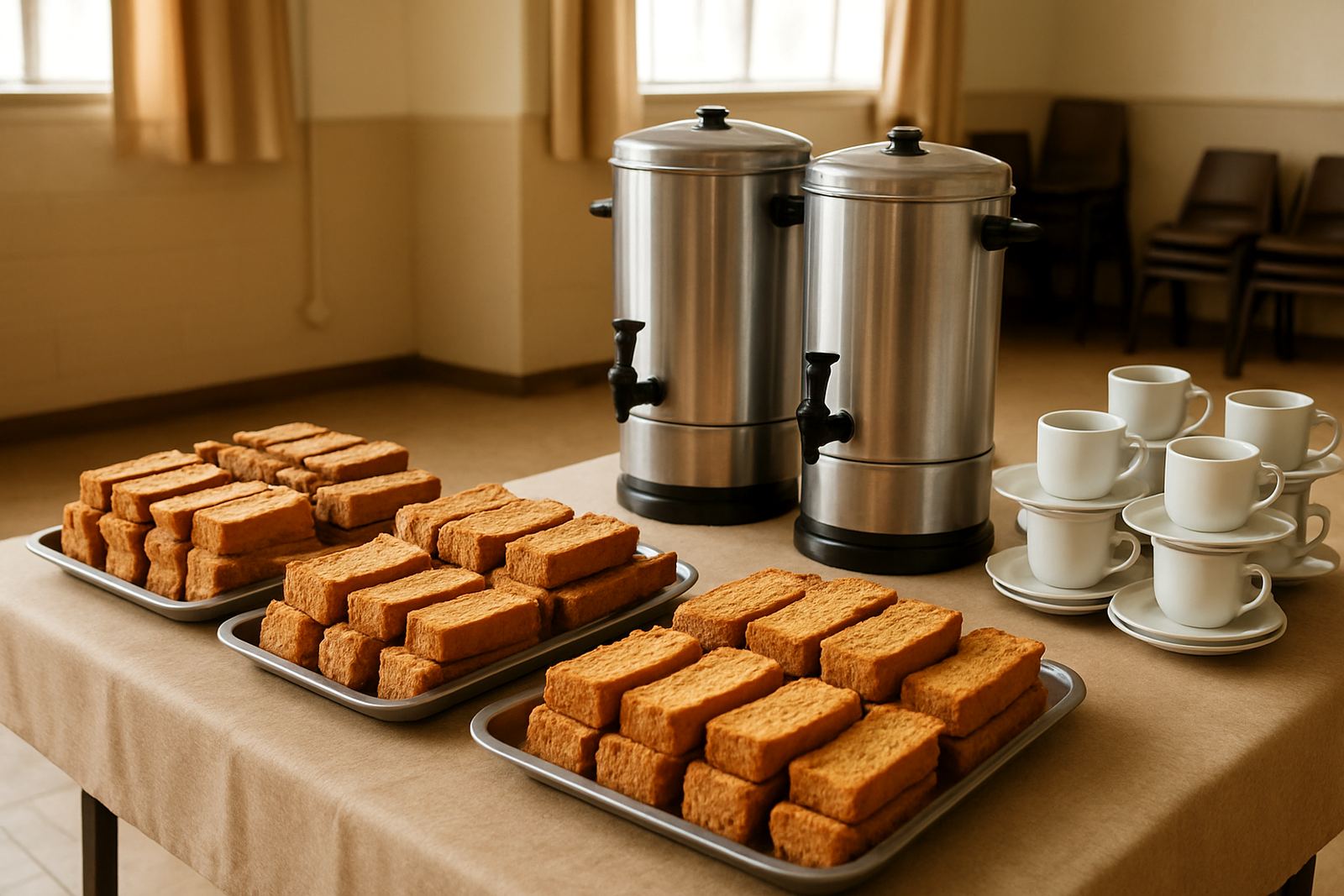
A practical weekend brunch does not need a full catering line. Most households and small venues can manage with a simple setup that keeps the rusks dry, visible and easy to reach. A clean tray, one or two lidded jars, a basket lined with a cloth, and a label card are usually enough. If you are serving a larger group, a separate tea station helps keep traffic moving and avoids people crowding the food table.
- Tray or basket for display, preferably with a cloth liner
- Lidded jars or canisters for opened packs
- Serving tongs or a small scoop for hygienic handling
- Tea and coffee station with mugs, milk and sugar
- Napkins, small plates and a bin within easy reach
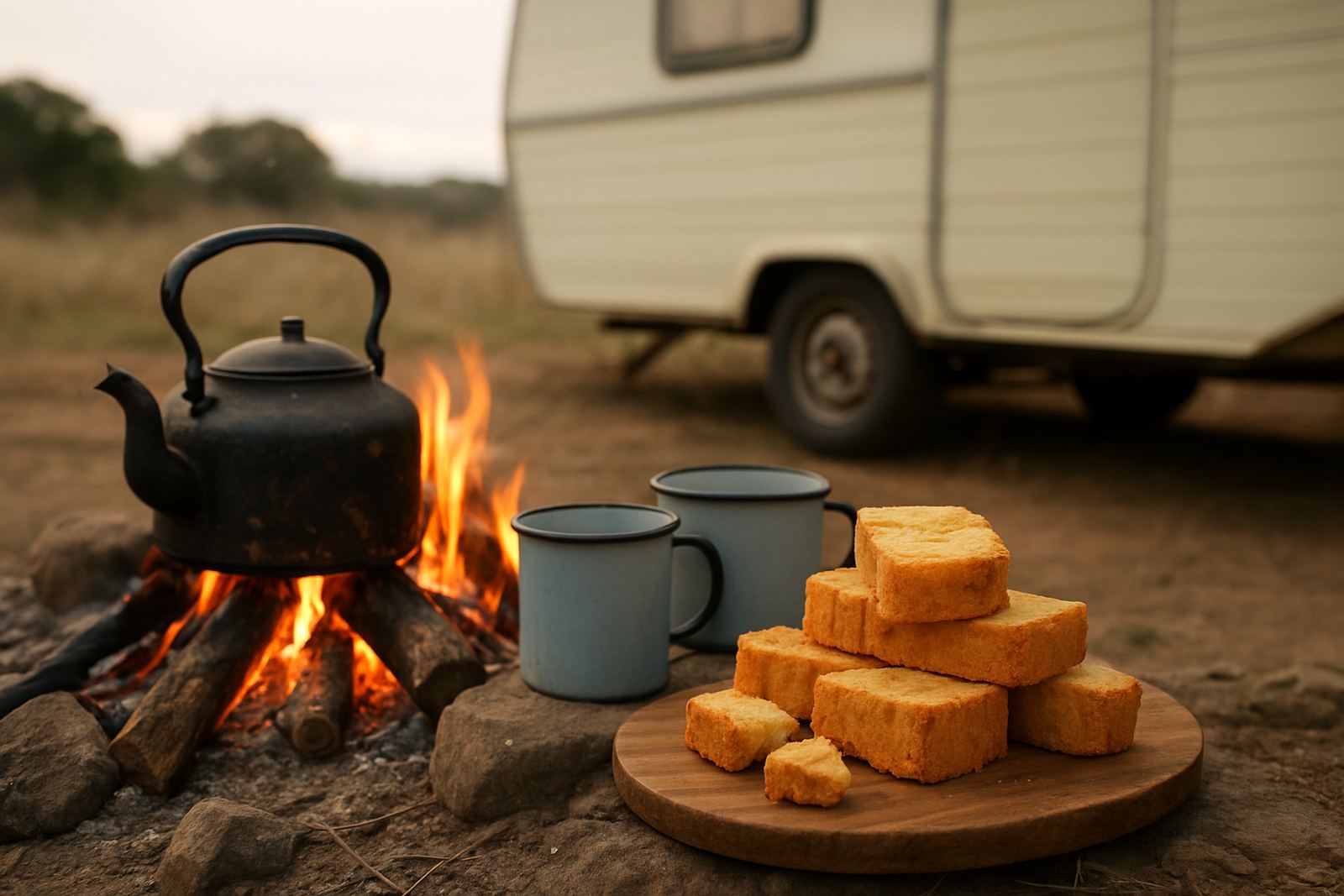
If your brunch is outdoors, keep the rusks away from direct sun and wind. Coastal humidity around places like Somerset West can soften crisp items faster than people expect, and in summer the Paarl heat can do the same. A covered container is a simple fix, and it helps if the brunch runs long, which it often does, bru.
Planning the table around the rest of the menu
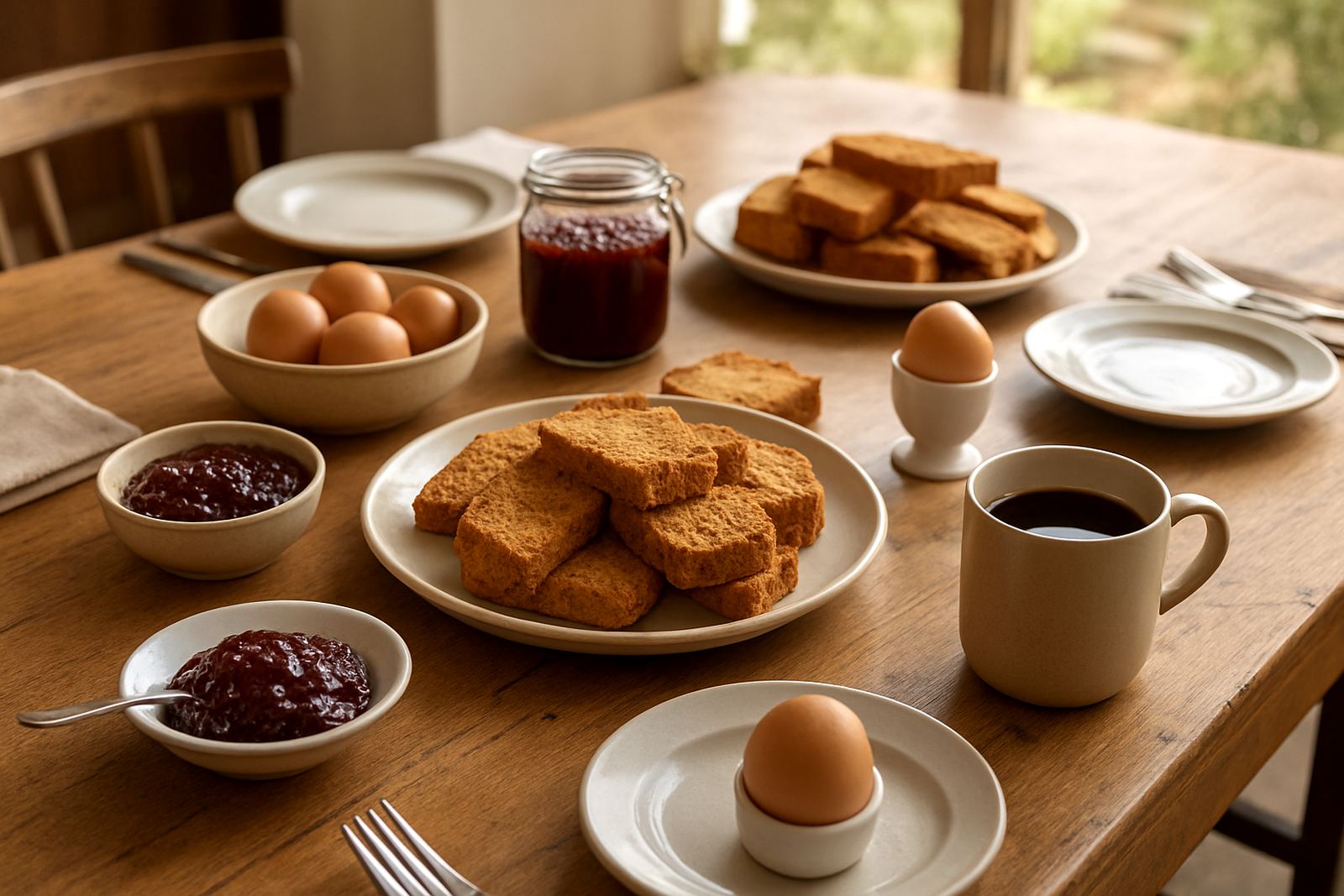
Rusks work best when they are treated as part of the spread, not an afterthought. They pair neatly with boiled eggs, yoghurt, sliced fruit, cheese boards, mini muffins and a few savoury items. If your table already has bread, croissants and pancakes, keep the rusk selection to one or two clear options so the table does not feel overloaded. That keeps the layout tidy and makes it easier for guests to understand what is on offer.
For smaller groups, allow around 2 to 4 rusks per adult if the rest of the menu is generous. For a lighter brunch, especially where coffee and tea are the main focus, plan a little more. If you are ordering for a guest house, church breakfast or family gathering, it is wise to keep extra stock on hand because rusks are often the first item people reach for when the table opens. In busy homes, they also save time since nobody needs to slice or plate them individually.
- Place rusks near the drinks station, not beside hot savoury dishes
- Keep sweet and plain varieties separate if you are offering both
- Use small labels for buttermilk and muesli so guests choose quickly
- Allow one serving point per 10 to 15 guests if space is tight
Common brunch mistakes to avoid
One of the most common mistakes is leaving rusks exposed on the table too early. Once they pick up moisture from steam, morning mist or general handling, they lose that crisp bite people expect. Another mistake is buying too little. Because rusks seem filling but are eaten in small pieces with drinks, hosts often underestimate how many people will want one after the first cup of coffee. A small shortfall can leave the table looking thin.
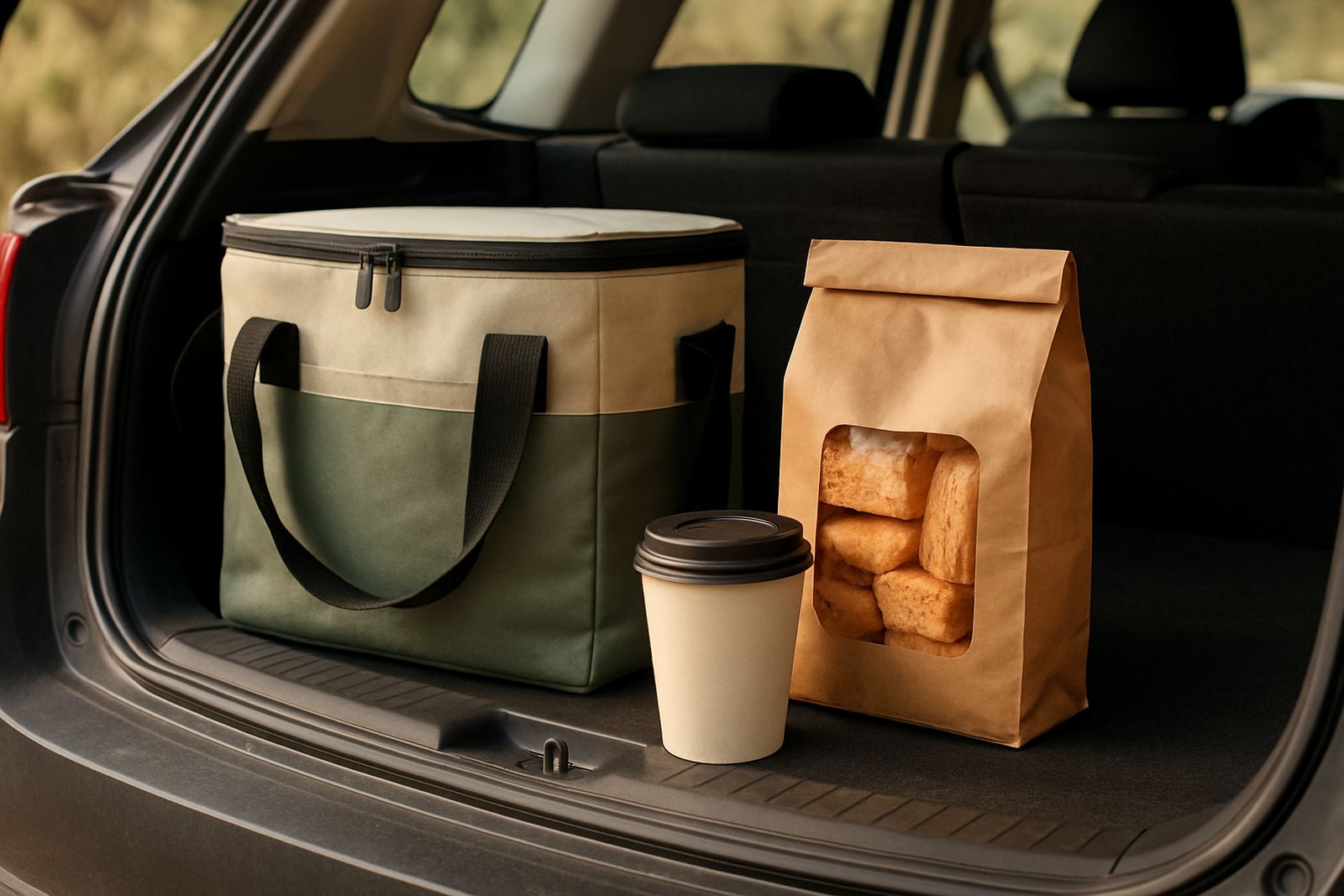
It also helps to avoid overcomplicating the spread. If there are too many baked items, people lose interest and food gets wasted. Keep the menu sensible and let the rusks do their part. Another issue is using loose containers that tip over during setup or transport. For brunches in Wellington, Franschhoek or at venues around the Winelands, a stable box or sealed pack makes life much easier, especially if the drive starts early and the roads are still quiet.
Do not forget the drink pairing. Rusks are at their best when there is proper tea or coffee nearby, with enough milk and sweetener for guests to help themselves. A brunch table without the beverage side always feels unfinished.
Budget ranges for home brunches and small functions
Budgets for brunch rusks vary with quantity, packaging and whether you are buying for home, a gift table or a small event. For a family brunch, a few packs can usually fit into a modest food budget without strain. For corporate hospitality, fundraisers or guest house use, the costs rise with volume and presentation, but rusks remain one of the easier items to plan around.
- Small home brunch top-up: about R60 to R180
- Medium family spread: about R180 to R450
- Guest house or private event table: about R450 to R1 200
- Wholesale or repeat supply: quoted per pack or case, depending on volume
If you need custom hampers, subscription packs or sample boxes for weekend gatherings, it is worth budgeting a little extra for packaging and delivery. Nationwide delivery means the final cost can vary by location, and timing matters if you are planning around a Saturday morning brunch. In the Western Cape, local supply into Paarl and nearby towns is often simpler, while farther routes need a bit more lead time.
When to order for a smooth Saturday morning
For weekend brunch, the safest approach is to place your order early in the week, especially if you need multiple packs, hospitality quantities or a mixed selection for a crowd. That gives enough time for packing and delivery without a rush on Friday afternoon. If your brunch is tied to a birthday, baby shower or family visit, do not leave the order until the last minute because weekend logistics can become tight quite fast.
Rusk works well for local stockists in Paarl, Wellington, Franschhoek, Stellenbosch, Somerset West and Durbanville, and it also handles nationwide orders for homes, offices and hospitality buyers. Whether the table is for four people or forty, the key is the same: keep the serving simple, keep the packs dry, and make sure the drinks are ready before the food comes out.